Why potassium is so important for your body
Potassium’s main job is to help maintain normal fluid levels inside your cells, while sodium manages fluid outside them. Potassium also supports muscle contractions and helps keep blood pressure in a healthy range, according to The Nutrition Source.
The National Academy of Medicine recommends that an average healthy adult woman over 19 should aim for 2600 milligrams daily, while men need about 3400 milligrams.
Your body needs a steady supply. Your kidneys work around the clock to keep blood potassium levels steady by flushing out any excess through urine. Potassium also leaves your body through stool and sweat, so regular replenishment is key.
If you experience higher-than-normal fluid loss—like from vomiting, diarrhea, or certain medications—it’s extra important to watch your potassium intake. A serious deficiency can cause fatigue and weakness, constipation, muscle cramps, paralysis, and irregular heartbeats.
It’s also important to get enough magnesium, since your kidneys need it to reabsorb potassium and maintain normal cell levels. The Cleveland Clinic lists almonds, cashews, peanuts, pumpkin seeds, chia seeds, quinoa, milk, yogurt, spinach, avocado, blackberries, bananas, green peas, potatoes, sweet corn, and dark chocolate as great magnesium sources.
How to get enough potassium
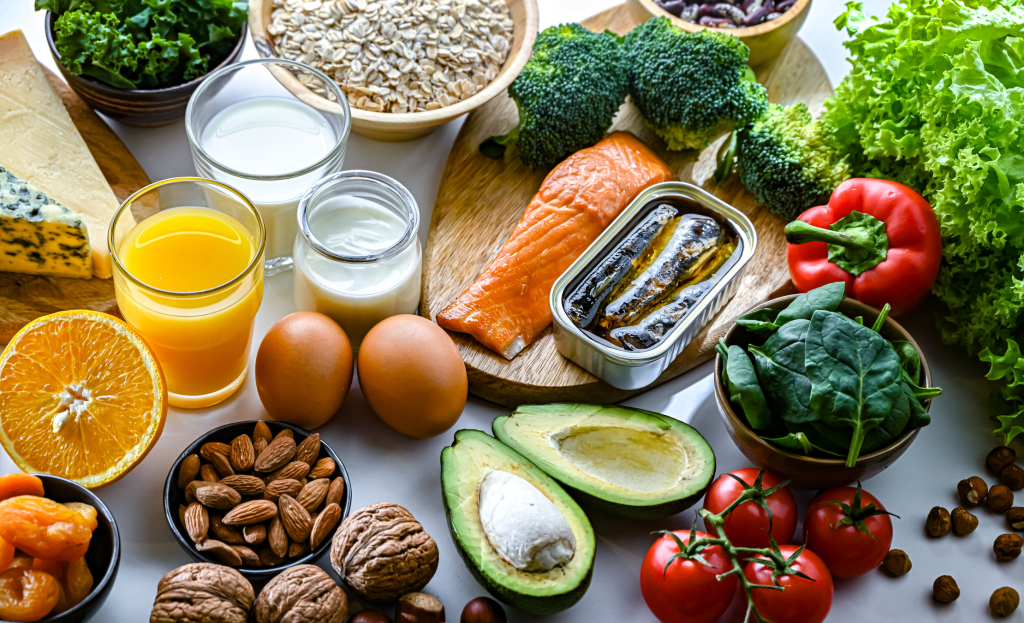
Potassium is found in many foods, so if you eat a colorful, varied diet, you’re likely covering your needs naturally without supplements. The Nutrition Source suggests including these potassium-rich foods and drinks:
- beans and lentils,
- potatoes,
- spinach and broccoli,
- avocado,
- bananas,
- oranges and orange juice,
- dried fruits like raisins and apricots,
- cashews and almonds,
- beet greens,
- cantaloupe melon,
- winter squash,
- coconut water,
- tomatoes,
- milk and plant-based milks (almond, soy),
- yogurt,
- chicken,
- salmon
Watch your salt intake too
As mentioned earlier, potassium and sodium work closely but have opposite effects in your body. Both are essential nutrients that play key roles in maintaining your body’s balance. They’re also linked to chronic diseases, especially heart and vascular conditions—but in different ways.
High salt intake (1 teaspoon of salt contains 2300 milligrams of sodium, and the WHO recommends no more than 5000 milligrams or 5 grams of salt daily) can raise blood pressure, increasing heart disease risk. In contrast, higher potassium intake helps relax blood vessels and promotes sodium excretion, lowering blood pressure.
Overall, a varied diet rich in potassium-containing foods is definitely beneficial for healthy adults. But it’s wise to be cautious with sodium-rich options. A simple way to do this is by eating more fresh fruits and veggies, which naturally have high potassium and low sodium. Cut back on bread, cheese, processed meats, and other high-sodium processed foods.
Of course, individual needs vary. Some health conditions require careful potassium restriction, while pregnancy and breastfeeding often call for increased potassium intake.
That’s why it’s best to get personalized advice—like from a dietitian—to find out exactly how much potassium you need. The same goes for other nutrients.