Eastern philosophies and religions such as Buddhism, Hinduism, and Taoism shed fascinating light on everyday events, including the experience of pregnancy. These ancient teachings don’t just honor the life of the unborn child but also weave special bonds and meanings into the parents’ life journey.
1. The Soul Chooses Its Parents Before Birth
According to some Eastern traditions, the soul doesn’t passively wait to take form but actively seeks the right parents. Certain teachings believe the soul discovers learning opportunities within the parents’ lives that it needs for its earthly journey.
This selection process can explain why we might feel an instant bond with our children. Such deep connections profoundly shape the emotional and spiritual ties both sides can feel even before physical birth.
2. The Union of Body and Soul
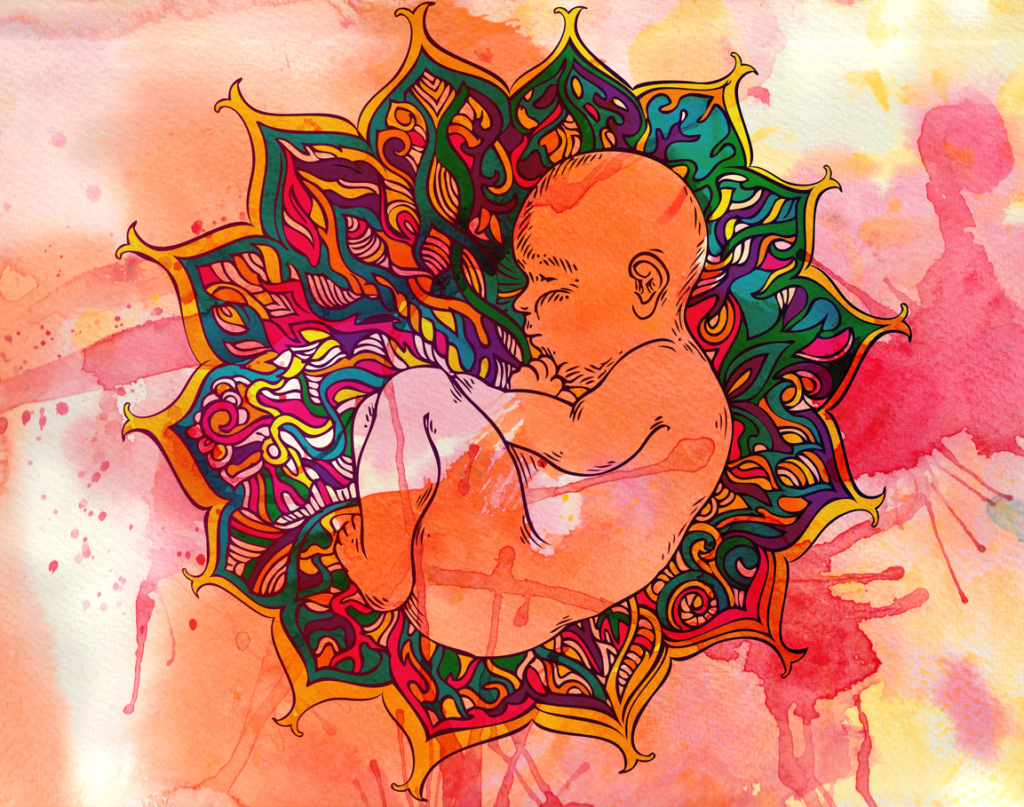
When does the soul enter the developing body? That’s a big question! Tibetan Buddhism says the soul connects with the body at conception, while other Eastern teachings suggest this happens later in pregnancy.
This idea offers pregnant women a deeper understanding of their child’s development and gives sacred meaning to the entire birth process. Mothers can experience the miracle of growing life both physically and spiritually.
3. Reincarnation and Karmic Connections
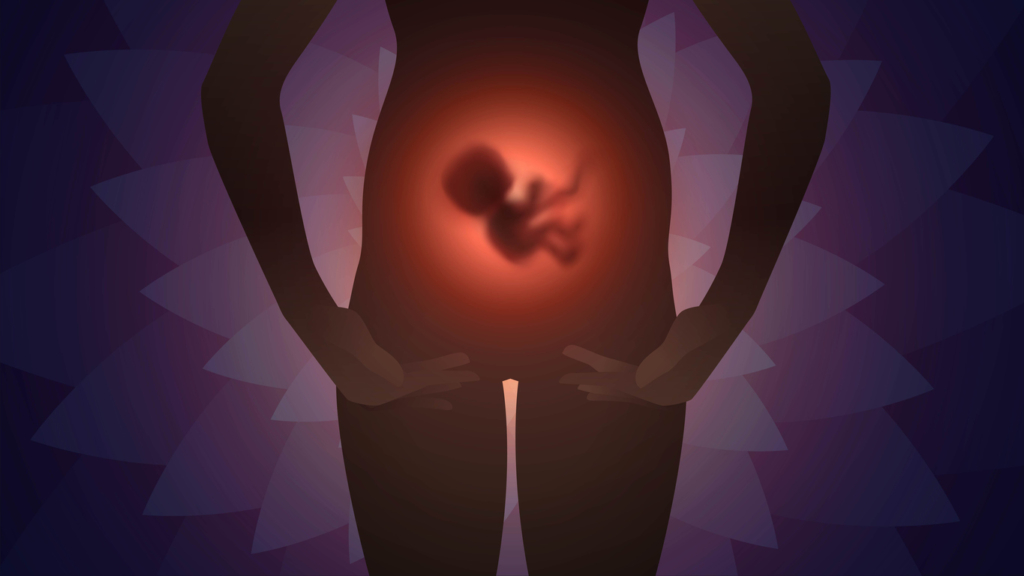
The beginning of new life is closely tied to lessons from past lives and the karmic bonds linking parents and child.
Indian traditions see every newborn as part of a long chain, carrying the burdens and deeds of previous lives.
Belief in rebirth helps explain why some children are born with special talents or strong characters shaped by past karma and previous lifetimes.
4. Spiritual Rituals During Pregnancy
Eastern cultures often accompany pregnancy with specific rituals. Indian traditions include spiritual rites that support both the expectant mother and the baby’s growth, nurturing physical and emotional harmony.
Special meditations, prayers, and yoga practices aim to fill the growing life with positive energy and peace. This prepares the mother not just physically but also mentally for the journey ahead.
5. Zen and Expecting a Child
Zen Buddhism links pregnancy with fully embracing the present moment.
Mindfulness encourages expectant mothers to live each moment fully, focusing on the beauty and lessons of the experience rather than worrying excessively about the life growing inside.
This mindset can bring emotional peace and reduce stress. Practicing Zen supports harmony during pregnancy and continues to nurture balance after the baby’s arrival.
6. The Role of Moon Phases
In Eastern cultures, it’s commonly believed that moon cycles—especially the full moon—can influence pregnancy outcomes. Ancient Taoist teachings say the waxing and waning of moonlight relates to the vitality and development of the growing fetus.
These traditions still thrive, especially in rural areas where nature’s rhythms remain meaningful. Mothers often watch the moon phases closely, paying special attention to their baby’s growth and health.
7. Women’s Intuitive Power
Eastern philosophies highlight women’s natural intuition, which often shines brightest during pregnancy. This intuition not only strengthens the bond with the child but also helps mothers understand their own growth as parents.
Listening to that inner voice often leads to better choices than outside advice, as female intuition can surpass rational thinking. This skill is especially valuable in parenting.
8. Connection with the Elements
Eastern teachings say the five elements—wood, fire, earth, metal, and water—govern all life processes, including pregnancy. When these elements are balanced in body and soul, mother and baby grow in harmony. Imbalance in any element can disrupt physical and emotional well-being, so it’s key to support each consciously.
What does this mean in practice for an expectant mother?
Water element – calm and trust: Water symbolizes calm, depth, and trust. During pregnancy, it’s vital for the mother to rest, listen to her instincts, and trust the natural processes in her body. Quiet relaxation, hydration, and inner reflection strengthen this element.
Wood element – growth and flexibility: Wood represents new life, development, and adaptability. Expectant mothers benefit from embracing change flexibly, spending time in nature, and eating light, fresh foods like green vegetables and sprouts, along with fresh air and gentle movement.
Fire element – joy and warmth: Fire stands for joy, love, and heart energy. It’s important for the mother to stay emotionally balanced, avoiding excessive stress and worry. Warm colors, uplifting music, and loving relationships help harmonize this element.
Earth element – security and nourishment: Earth symbolizes motherhood and nurturing. Stability, regular meals, and feeling “at home” in one’s body are especially important. Earth tones, a slower pace, a calm daily routine, and wholesome cooked foods like grains and sweet root vegetables support this element.
Metal element – purity and breath: Metal relates to the lungs and breathing. Fresh air, deep breathing, and clear thinking help the mother release fears and see changes clearly. Breathing exercises and meditation are especially helpful.
9. The Power of Music and Vibrations
In the East, musical vibrations are often used to create inner harmony. During pregnancy, singing bowls, mantras, and traditional music uniquely support the baby’s emotional and physical development.
These meditative practices deepen the bond between mother and child. Music and vibrations connect directly with the fetus, promoting peace and stability.
10. Memories for Future Generations
Eastern wisdom sees every life as part of a long story, deeply influenced by how we connect with mothers through ancient traditions. Mothers often preserve their experiences so future generations can learn from them.
These stories help children discover their roots and honor the family’s shared past, strengthening family bonds and identity.