Press-on nails are having a major moment. They're no longer the cheap, plasticky strips that popped off after a day — today's versions look genuinely polished and last far longer than you'd expect. But as more people reach for them as a quick beauty fix, one question keeps coming up: are press-ons actually bad for your natural nails?
The short answer is no — not necessarily. The longer answer is a little more nuanced.
The press-on itself isn't the problem
According to nail care experts, press-on nails won't damage your natural nails if you use them correctly. Most of the damage people experience doesn't come from the product itself — it comes from how it's applied or removed. Modern nail adhesives are also significantly gentler than older formulas, which means the risk is much lower than many people assume.
What actually causes the damage
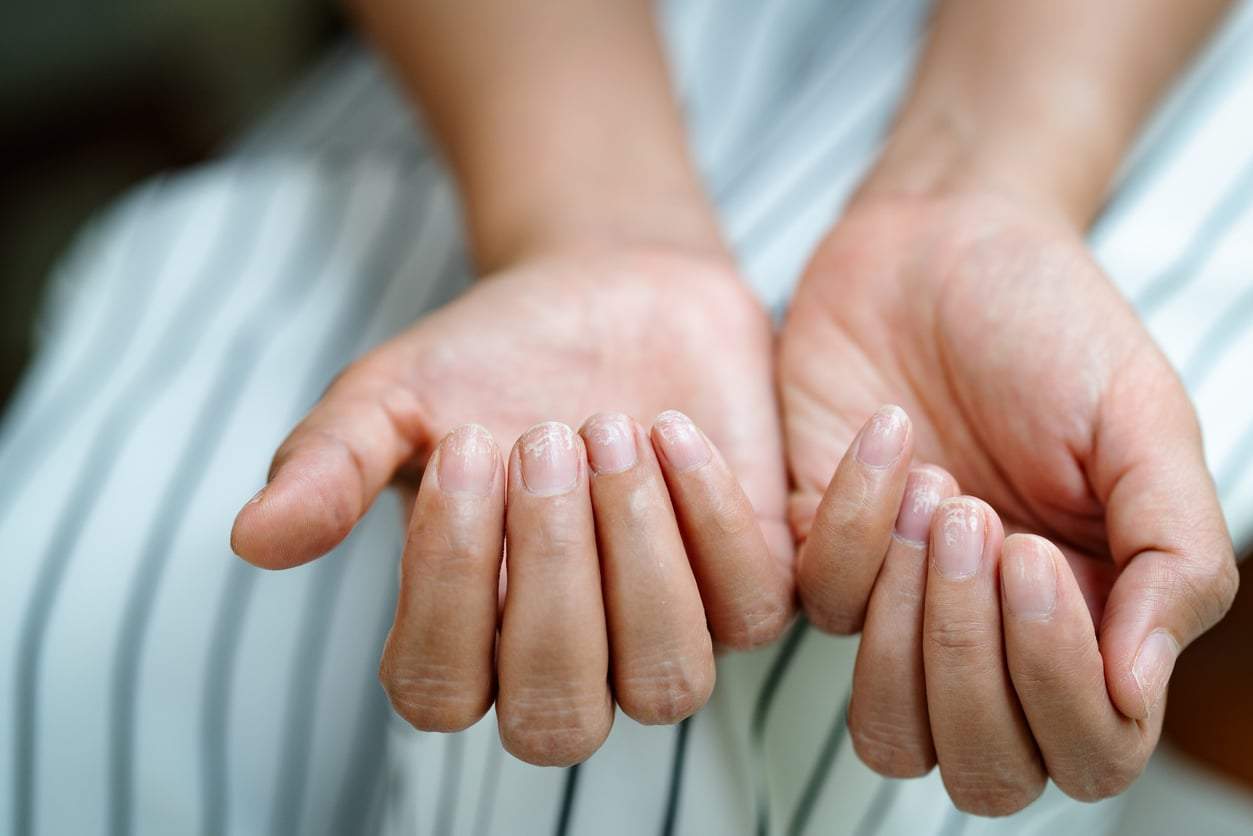
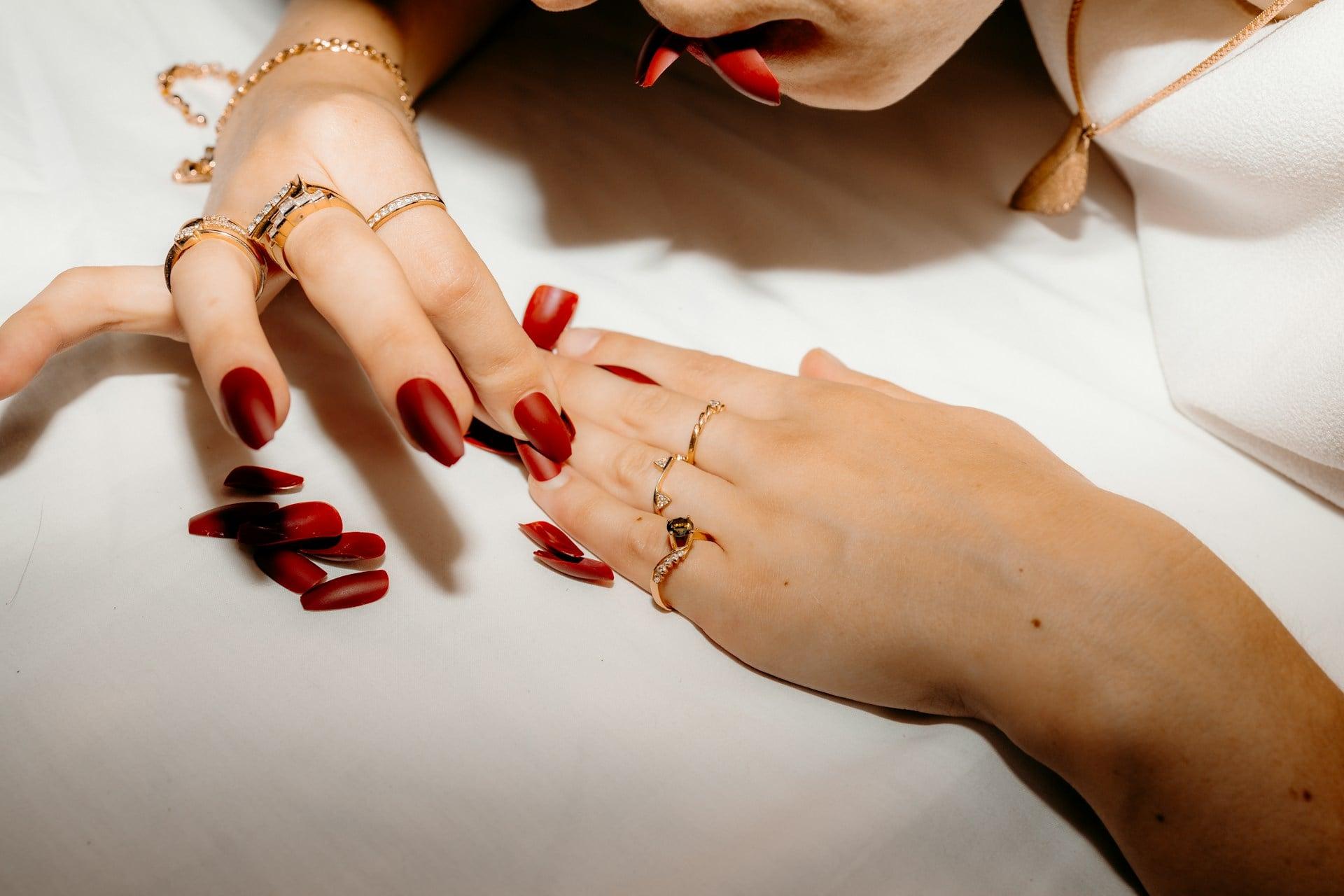
The biggest mistake happens at removal. If you pry or force a press-on off your nail, you risk pulling away the top layers of your natural nail along with it — leading to thinning, peeling, and breakage. Many people assume that soaking in warm, soapy water is always a safe solution, but this doesn't always work as well as expected. Some adhesives bond so strongly to the nail surface that even soaking can cause surface damage if you rush the process.
Over-prepping is another common culprit. Filing or buffing your nail too aggressively to improve adhesion can weaken the nail over time. Poor fit matters too — a press-on that's too tight puts unnecessary pressure on the nail, while one that's too large can lift at the edges, trapping moisture underneath and creating the ideal conditions for irritation or even infection.
How to use press-ons safely
A few simple habits make all the difference. Start by cleaning your nails thoroughly, then lightly buff the surface — gently, not aggressively — and apply only as much adhesive as you actually need.
When choosing your press-ons, fit is everything: the nail should cover your natural nail without pressing into the skin on either side. Apply from the cuticle outward and hold each nail firmly in place for several seconds. While wearing them, try to limit prolonged soaking and avoid harsh chemicals — wearing gloves while washing dishes is a simple but effective habit.
Looking for more ways to keep your nails strong and healthy? These natural nail care tips are worth bookmarking.
Removal is the most important step
How you take them off matters more than anything else. The safest approach is to first trim and gently file down the press-on to reduce its thickness, then use an acetone-based or gentle nail adhesive remover to dissolve the bond before attempting to lift the nail.
The one thing you should never do: force them off. If it's not coming away easily, the adhesive hasn't dissolved enough yet. Give it more time — your nails will thank you.
So, should you use them or not?
When used properly, press-on nails are actually one of the gentler options out there — even compared to gel or acrylic extensions. The formula is simple: patient prep, the right fit, and careful removal.
Press-ons aren't something to be afraid of. In fact, they're one of the quickest ways to elevate your look without a salon appointment. The difference between damaged nails and healthy ones comes down entirely to technique. Get that right, and you can switch up your style whenever you feel like it — including trying out the nail trends everyone's talking about right now.