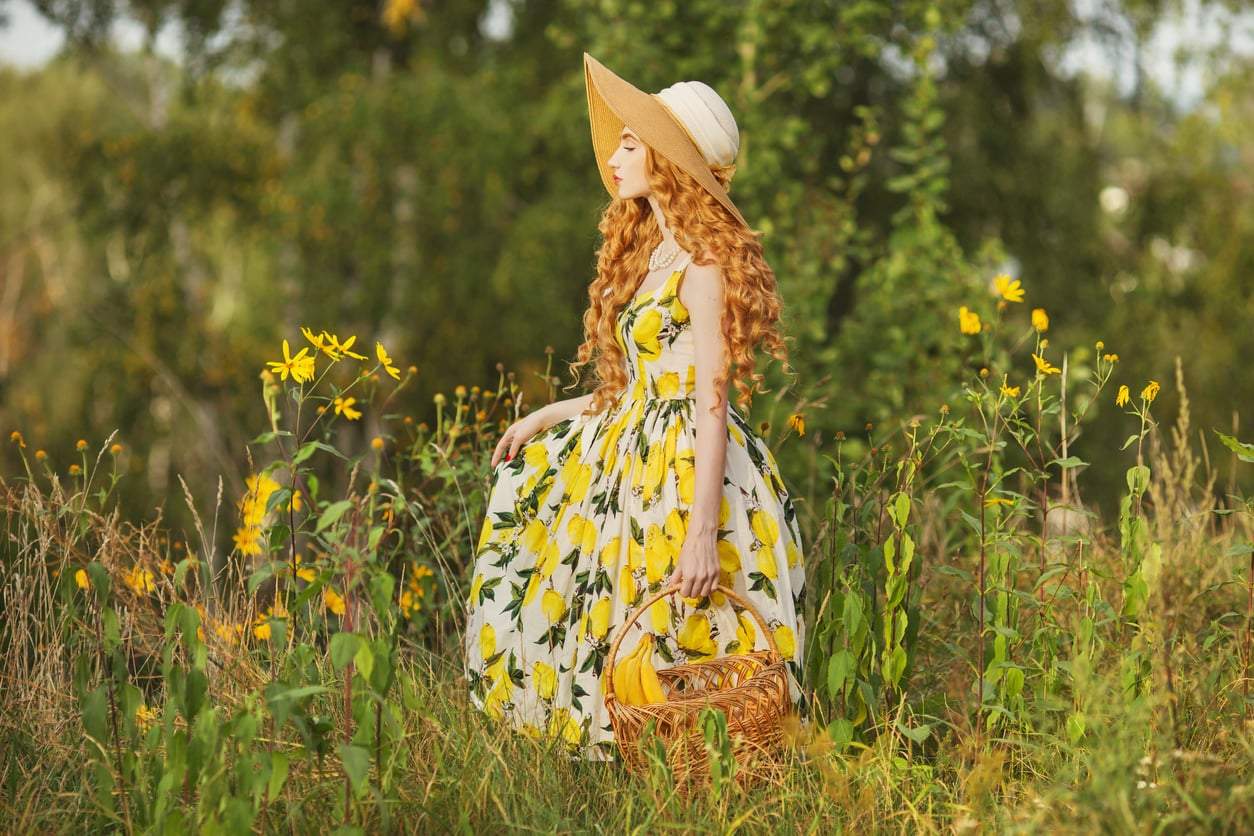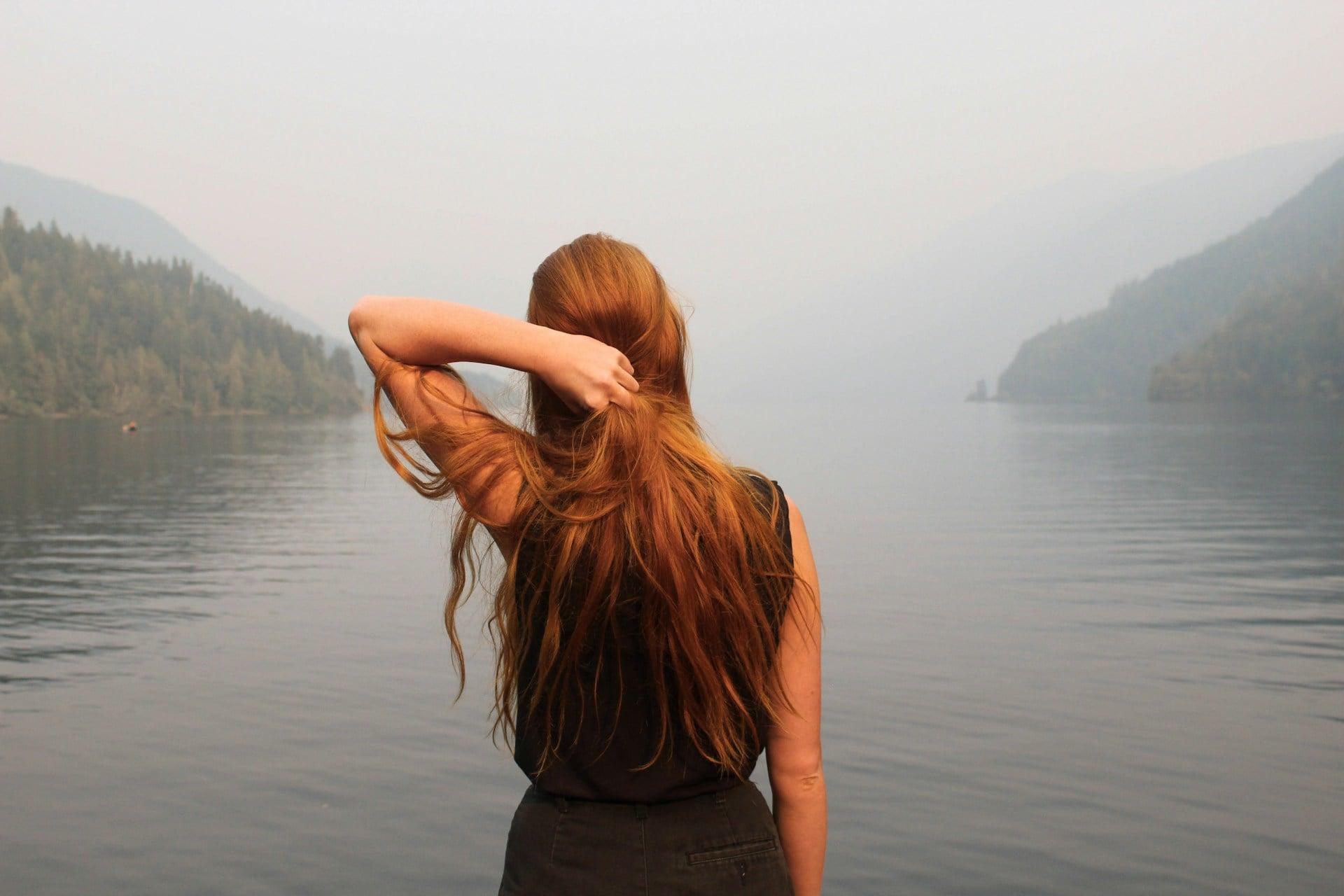
Only about 1-2% of the world’s population can proudly claim natural red hair. This rare hair color holds hidden treasures and surprising facts you might never have heard before.
1. Both Parents Must Carry the "Red Hair Gene"
The unique MC1R gene, which is recessive, is behind red hair. This means a child needs to inherit this gene from both parents to be born with red hair. This rare genetic combo makes red hair so special and one of a kind.
This also shows how unpredictable genetics can be: red hair can skip generations and suddenly reappear, surprising family members when a redheaded child is born.
2. Redheads Are More Often Left-Handed
Studies suggest left-handedness is a bit more common among redheads than others. While the exact reason isn’t clear, it’s thought to be linked to genetics and how the brain’s hemispheres share tasks. This shows red hair often comes with other unique biological traits.
3. Redheads Experience Pain Differently
Redheads are known to respond differently to various types of pain. Some research shows they may be more sensitive to heat pain but less responsive to certain painkillers.
This unique sensitivity ties back to the MC1R gene, which influences not only hair and skin color but also nervous system processes. No wonder these special genetics give redheads distinct traits.
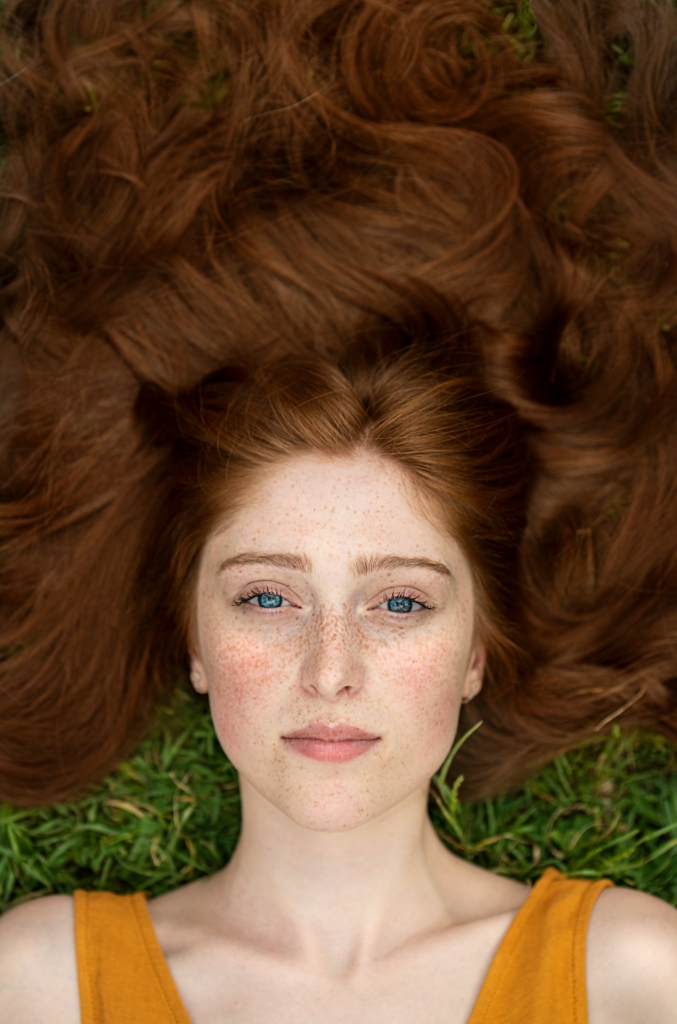
4. Hair Color Shapes Social Perception
Having red hair has often meant standing out in society. Historically, redheads were seen as symbols of eccentricity and faced prejudice. Though attitudes have shifted today, red hair still carries rich cultural and historical stories.
Pop culture has flipped this narrative, turning red hair into a mark of uniqueness and star power. Think of iconic redheads who inspire confidence and individuality.
5. No Wonder There Are Many Redheads in Scotland and Ireland
It’s fascinating that red hair is especially common in Scotland and Ireland, where up to 10% of the population has it. This likely reflects adaptation and historical gene flow in these regions.
The often damp and cloudy weather there made fair skin and red hair an advantage for survival compared to other places.
6. Red Hair Turns Blonde-Gray First
Red hair is one of the most sensitive to aging changes. The first gray hairs often appear as golden blonde before turning silvery white.
Because red hair pigments fade more easily over time, many redheads choose to dye their hair to keep that vibrant color.
7. Red Hair in Art and Culture
Red hair often appears as a powerful symbol in art and literature. Artists like Vincent van Gogh, Dante Gabriel Rossetti, and Gustav Klimt famously captured red-haired beauties in their works.
In stories and films, redheaded characters often stand out with strong personalities and unique charm. Think of Little Red Riding Hood, whose hair color symbolizes both danger and vibrancy.
8. Redheads and Health
Some studies highlight that red hair and fair skin can increase the risk of certain skin conditions, like skin cancer. That’s why redheads should prioritize regular skin check-ups and preventive care.
Interestingly, redheads may be less prone to some autoimmune diseases, including allergic reactions. This genetic difference offers a fascinating area for scientific research.
9. Redheads Have Their Own World Day
Did you know redheads have a special day? September 7th is celebrated worldwide with events that honor the uniqueness and cultural significance of red hair.
This day is a chance for redheads to connect, share stories, and celebrate their distinctiveness in a world that often notices their rare hair color.
10. Redheads Produce Vitamin D More Efficiently in Low Sunlight
Thanks to their fair skin and lower melanin, redheads convert UV rays into vitamin D more effectively. This was a real advantage in northern, cloudier regions like Scotland and Ireland with limited sunshine. So red hair isn’t just a rare beauty—it’s an evolutionary adaptation that helped survival in low-light areas.