
In Hungary, we traditionally celebrate Saint Stephen’s Day on August 20th. It honors not only our first king and state founder but also marks the festival of the new bread. Before diving into today’s celebrations, let’s take a moment to explore the origin and story behind the name Stephen.
The name Stephen comes from the Greek “Stephanos,” meaning crown or wreath. According to Christian tradition, it was first borne by Saint Stephen, the first martyr recognized among Christ’s followers. In Christian iconography, he is often depicted holding a palm branch, symbolizing his martyrdom.
Saint Stephen’s Role in Hungarian History
Saint Stephen, Hungary’s first king and son of Prince Géza, ruled from 997 and was crowned in 1000 or 1001. He laid the foundations of the Hungarian Kingdom by consolidating power, introducing feudalism, and championing the spread of Christianity. Through his steady state-building and political alliances, he secured Hungary’s place among European Christian nations.
During his reign, Stephen promoted church construction and missionary work, established Christian liturgy in Hungary, and created an administrative system that ensured strong central authority. As a result, he is remembered not just as a king but as the leader who guided the Hungarian people into the community of European nations.
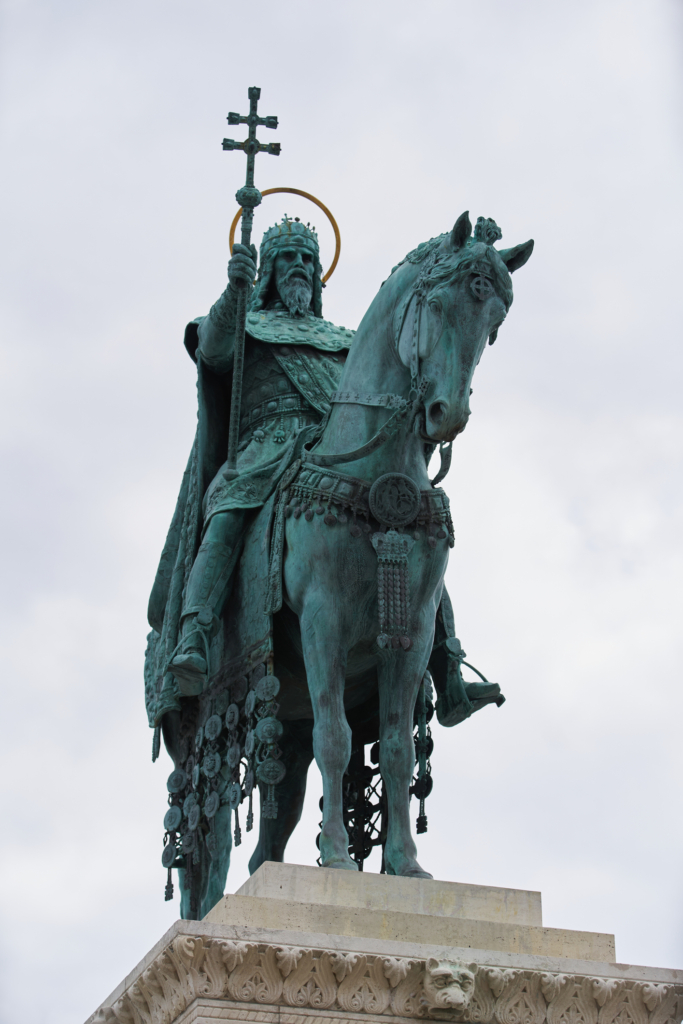
The Spiritual Meaning Behind the Name Stephen
For those named Stephen, the name carries deep historical and symbolic meaning that often inspires a strong emotional connection. Saint Stephen stands as a symbol of Hungarian identity and Christian roots—both of which remain central to Hungarian culture today.
The personality of those named Stephen often reflects strong leadership qualities and inner stability, traits that naturally draw others in.
Festive Traditions on Saint Stephen’s Day
Since the Middle Ages, Saint Stephen’s Day has been celebrated in Hungary with great respect and ceremony. It’s not only a religious remembrance but also a key national holiday symbolizing the spread of Christianity and the strengthening of the country.
Today, the celebrations include breathtaking fireworks, diverse cultural and religious events, and official ceremonies along Budapest’s Danube promenade. People also honor the blessing of the new bread—a joyful tribute to the harvest and the year’s hard work.
The Power and Impact of the Name Today
While names might not dictate destiny as once believed, the name Stephen still holds significance through its unique cultural heritage. Many respected and successful people bear this name today, showing it continues to hold a special place in Hungarian awareness.
The historical and spiritual weight behind names reminds us how much meaning can build up around a simple word—and how a name can shape both community and individual identity.