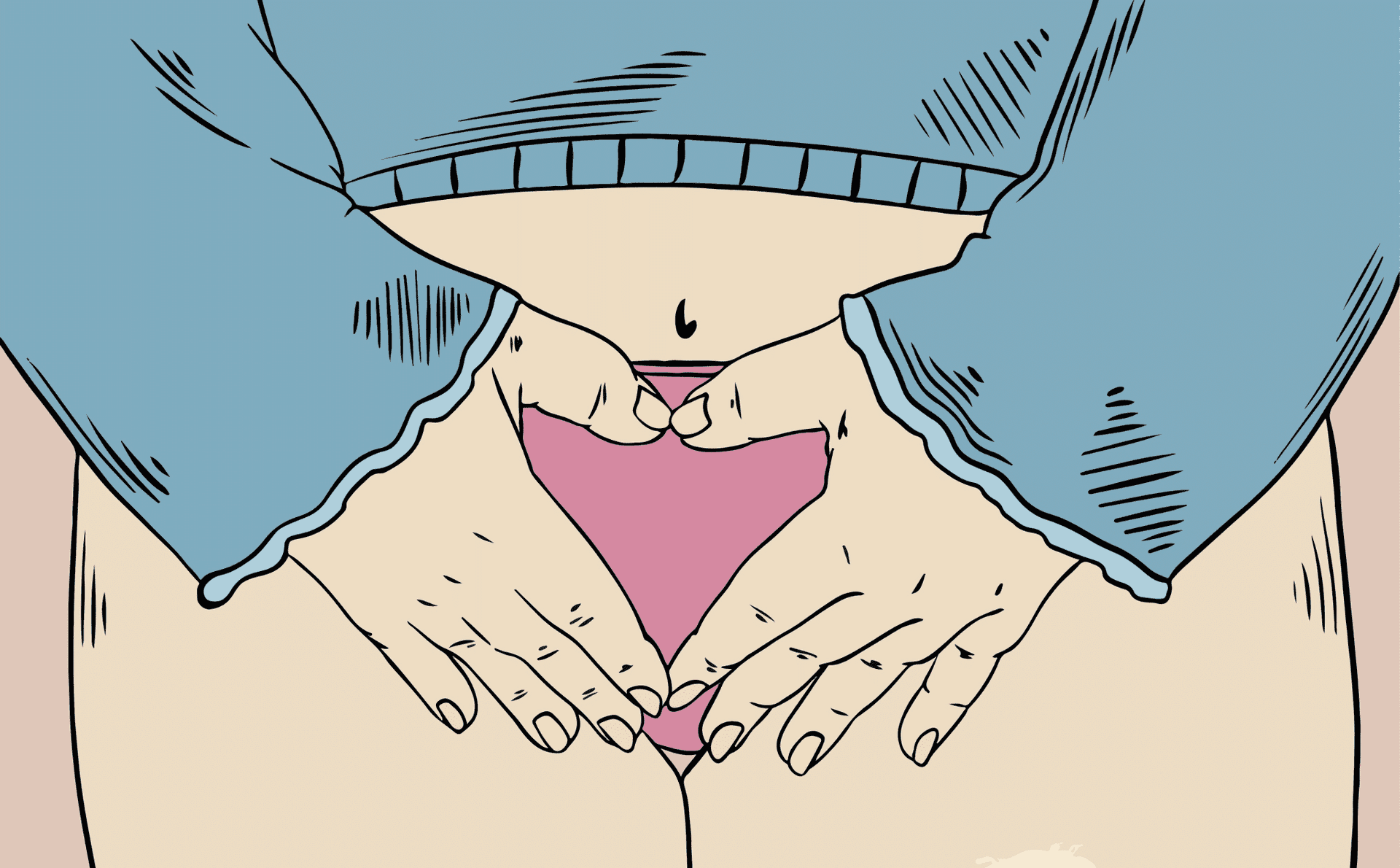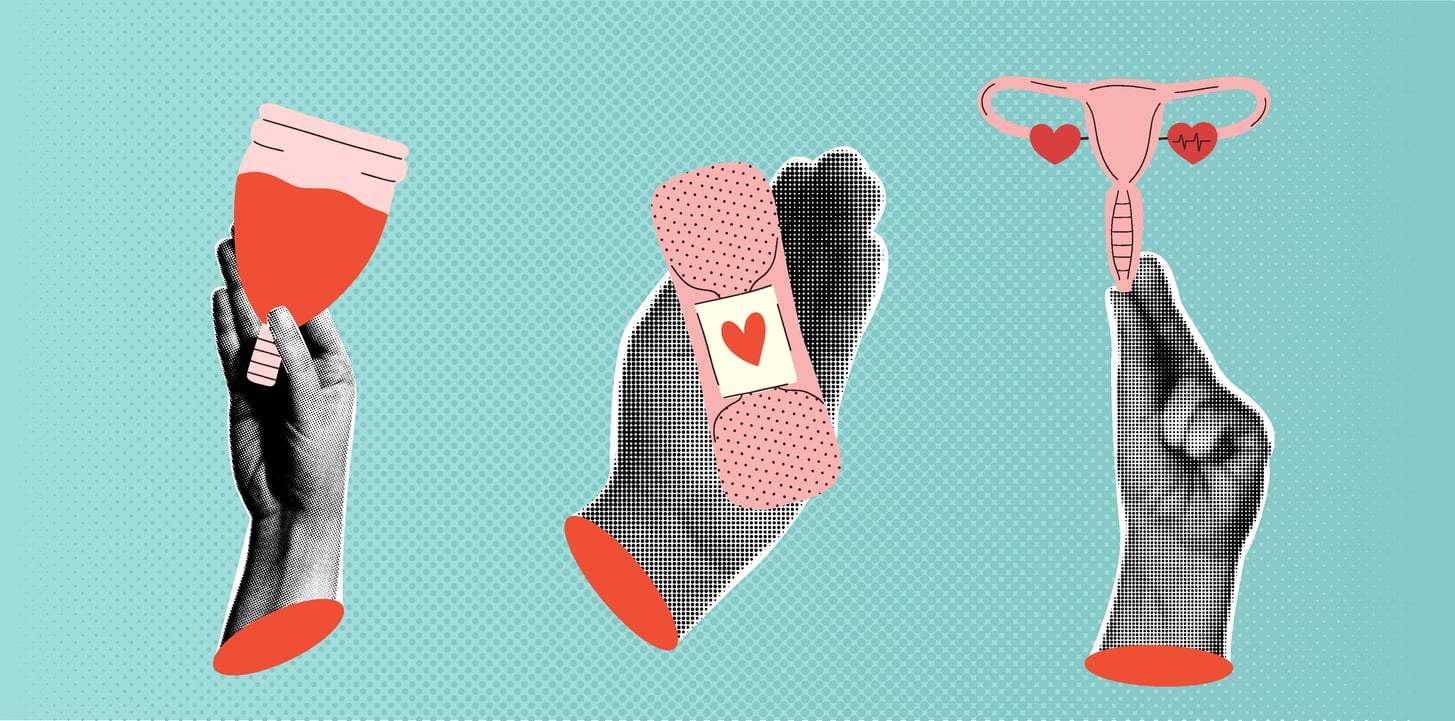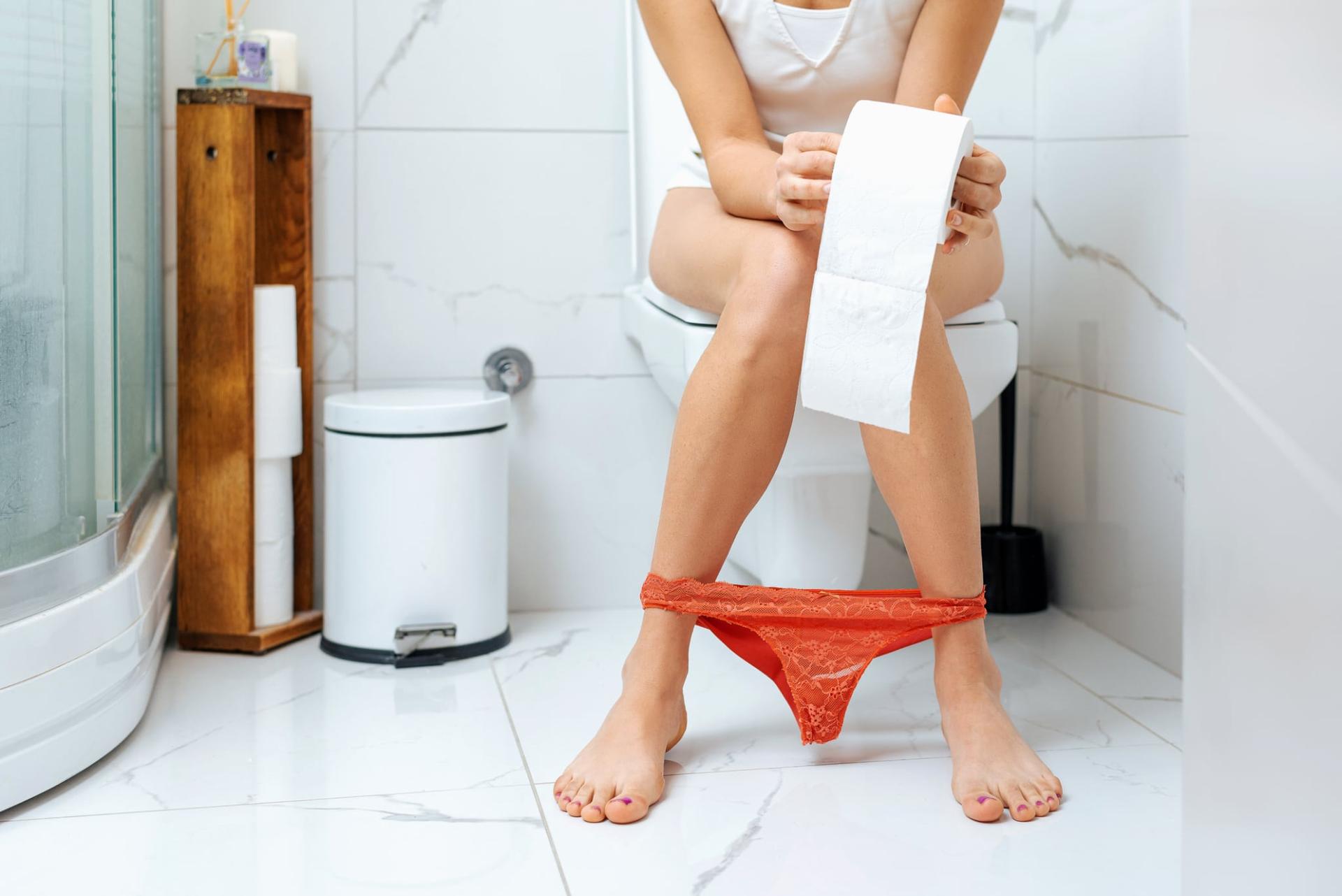
For many women, menstruation means more frequent trips to the bathroom. We quietly endure these moments, but why do we spend more time on the toilet when those monthly crampy, bleeding days arrive?
More frequent bowel movements during your cycle (sometimes called period poops) are very common. Studies show that 73% of women experience some digestive changes during their period, ranging from increased bowel movements to diarrhea.
Why Do We Spend More Time on the Toilet During Our Period?
Before your period starts, prostaglandins—hormone-like lipid molecules—relax the smooth muscles inside your uterus to help shed its lining. These prostaglandins can also increase bowel movements and sometimes cause loose stools.
Those with irritable bowel syndrome (IBS) may face even more challenges, as IBS can make period-related bowel changes more intense.
A 2021 study found that over half of IBS sufferers experienced increased bowel activity and bloating at the start of their period, with symptoms peaking mid-cycle.
The Other Hormone at Play: Progesterone
Many women experience constipation before their period, and hormones explain why. After ovulation, progesterone takes center stage, preparing the uterine lining for a possible pregnancy. It thickens the lining and slows smooth muscle movement—not just in the uterus but also in the colon. Slower colon movement means constipation, often accompanied by bloating and discomfort.
Constipation during your period can also have a simple anatomical cause. Normally, the uterus doesn’t interfere with colon movement, but toward the end of the cycle, increased blood flow causes it to swell. This can press on the colon, causing narrowing that leads to constipation and the urge to go.
How to Ease Period Poop Problems
If you’ve dealt with constipation or frequent bowel movements during your period, chances are this natural process won’t change much. But small, mindful steps can ease discomfort.
Support your digestion with clean, healthy eating—plenty of fruits, veggies, and fiber to keep your gut happy. Since diarrhea can dehydrate you, drink lots of fluids during your period and avoid foods and drinks that act like laxatives, like coffee, which can be harsh on your gut at this time.
Alongside herbal teas and drinks that soothe cramps, you might try medication. Taking ibuprofen just before your period can reduce prostaglandin release, helping to calm increased bowel activity.
Always use medications carefully and follow the instructions. If your symptoms worsen or you notice unusual changes during your period, don’t hesitate to consult your healthcare provider.
Opening image: herstockart/istockphoto.com