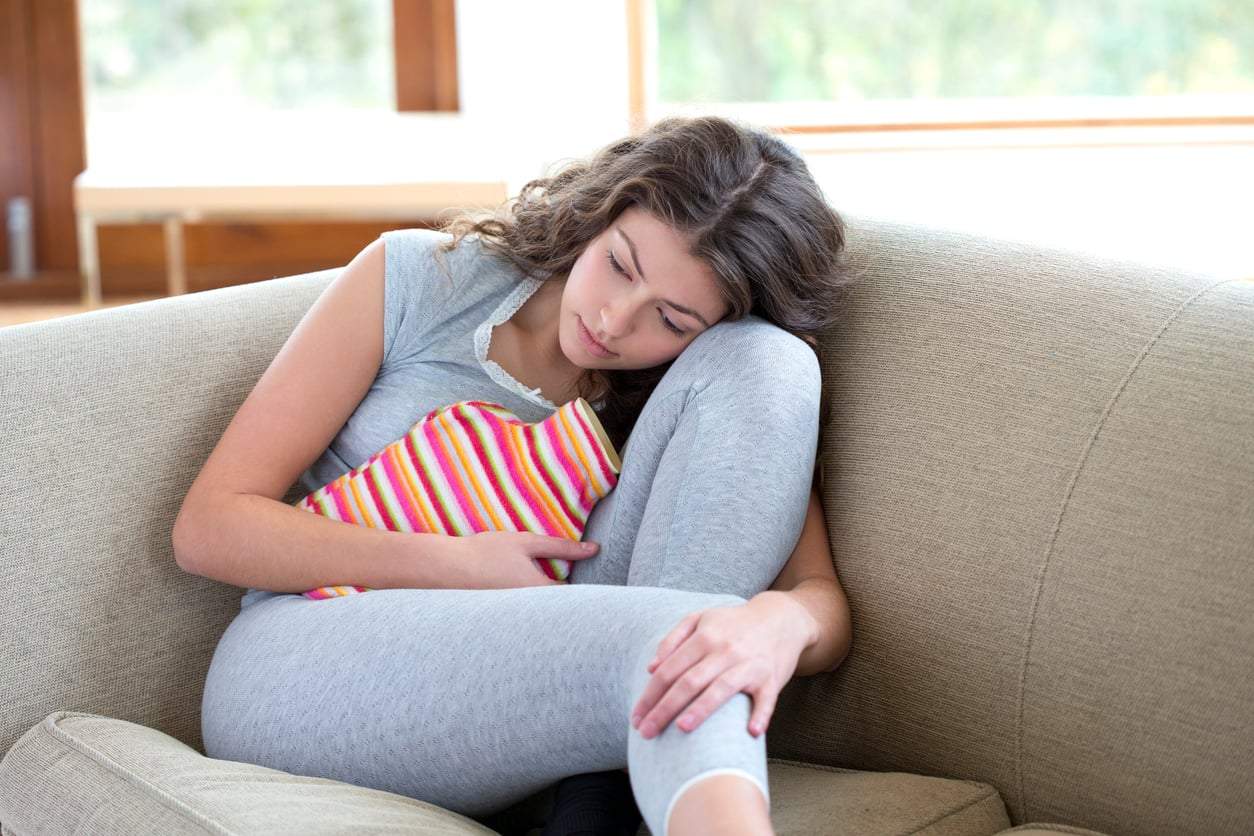
Menstrual cramps are common for many, but that doesn’t mean we should accept suffering as natural. Painful menstruation is not an unchangeable fate, but a signal from your body that deserves your attention.
It’s time to build a new relationship with your cycle
My menstruation was never particularly painful – except for one or two exceptional cycles. What made life difficult for a long time was severe PMS: irritability, sensitivity, breast tenderness…
Since I started paying attention to living in sync with my cycle and incorporated this into my lifestyle (in fact, I have since earned a qualification in this field), these symptoms have practically disappeared. My lifestyle is not perfect, unexpected situations still find me from time to time, but I can respond to my body’s signals with much greater understanding, acceptance, and awareness.
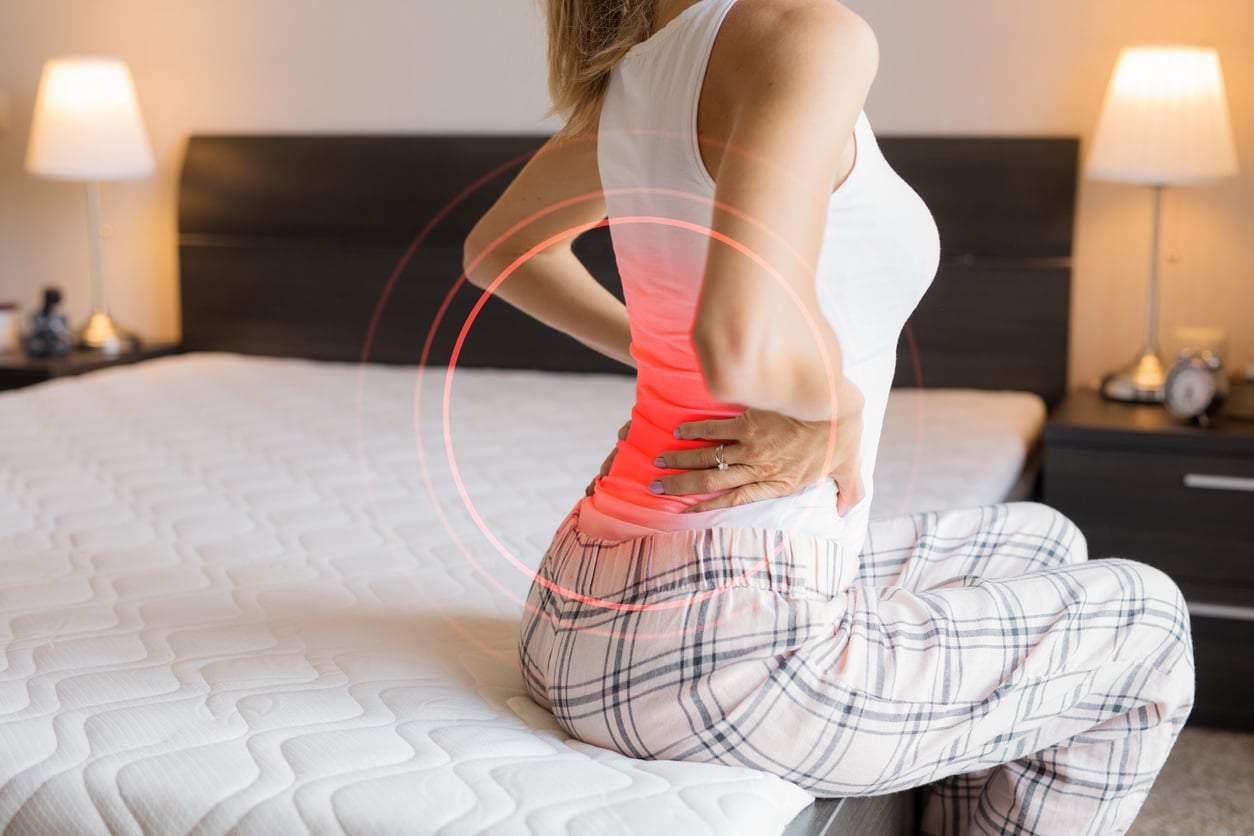
Menstrual pain is often caused by prostaglandins – these hormone-like compounds help the uterine muscles contract to expel menstrual blood. (Because of them, you might also notice changes in your digestion right before or during your period.) The more prostaglandins your body produces, the more intense your cramps can be.
Research shows that a high prostaglandin level can cause not only stronger pain but also nausea, diarrhea, and headaches. Fortunately, your lifestyle, diet, and daily routine can all influence how much these days torment you, i.e., how much you amplify the effect of prostaglandins.
Support your body with sleep
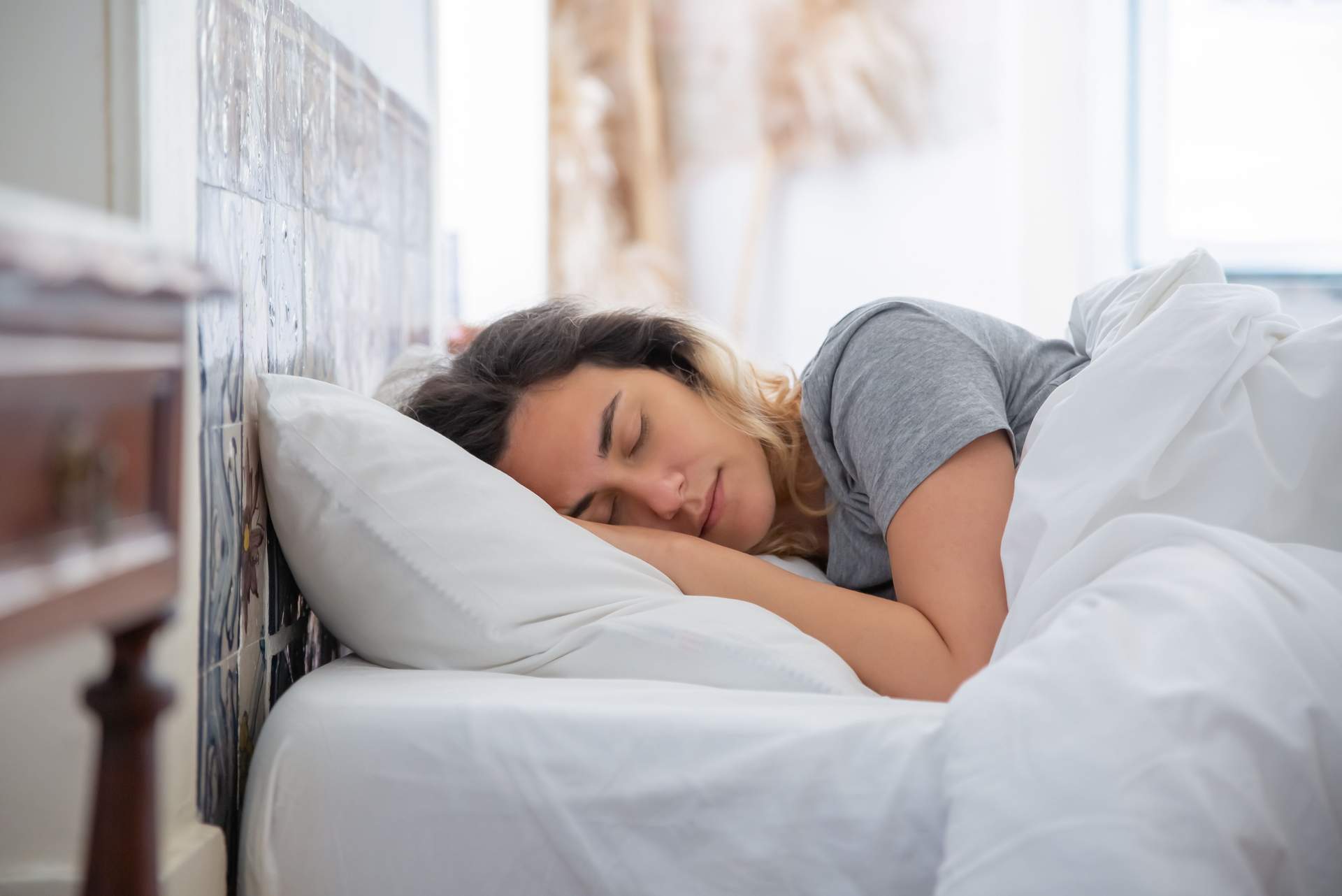
If we take the cycle-sync lifestyle as a basis, our sleep routine is at the bottom of the pyramid. If you don’t organize this, everything else will only be help, not a solution. Unfortunately, in recent decades we have produced terrible sleep statistics, one result of which is that our circadian and infradian rhythms have completely disrupted.
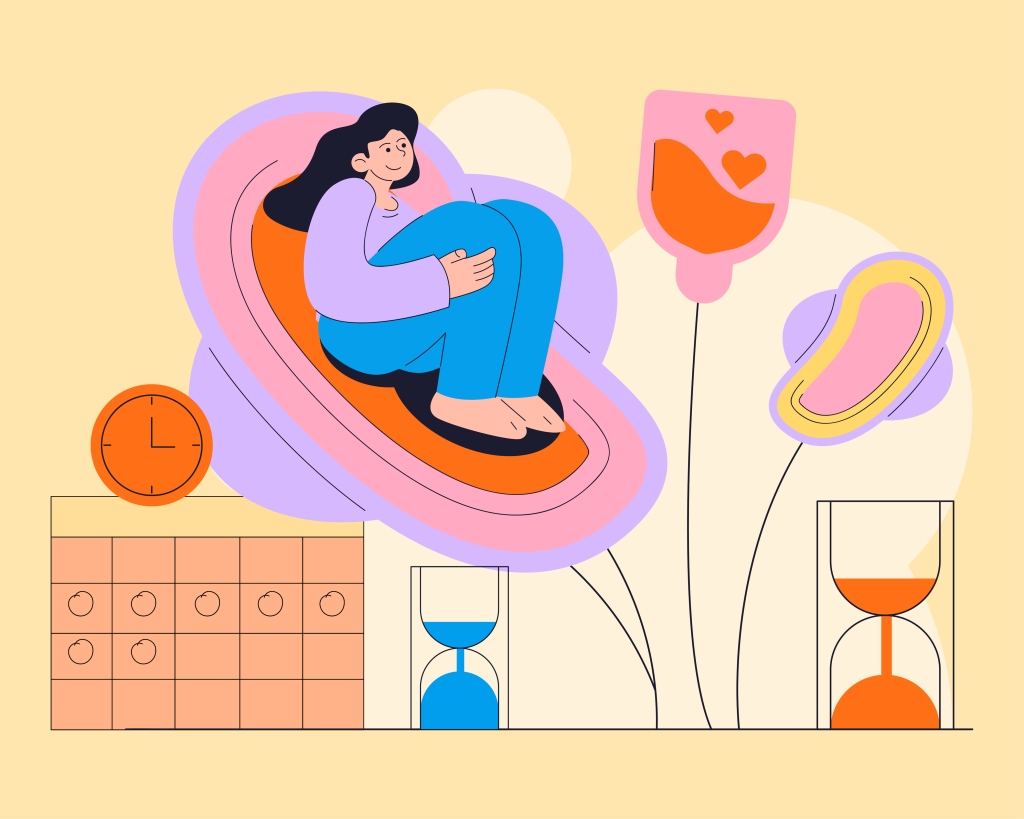
During the luteal phase (the phase after ovulation and before menstruation), your body may function more “tiredly” – you may need more relaxation and even 1 to 1.5 hours more sleep. If you don’t provide this for your body, it can easily lead to painful bleeding and other hormonal imbalances. Allow yourself to go to bed earlier or take naps and relax during the day (yes, even if you are always busy)! According to research, women who sleep poorly during menstruation report stronger pain. So sleep is not a luxury, it’s a necessity!
Supporting the luteal phase: the key to prevention
Active support of the luteal phase is especially important in preventing painful menstruation. This is the phase when the hormone progesterone dominates your body. At the beginning of this phase, your body cannot yet decide if you are pregnant and prepares as if you were expecting a baby. You feel slower, more tired, more bloated, eat more, and feel more craving… It’s no coincidence if these symptoms sound familiar!
If you don’t ignore the fact that you are indeed slower, heavier, and more sensitive physically and emotionally, it can make your menstruation much more comfortable.
Your diet can also help relieve pain
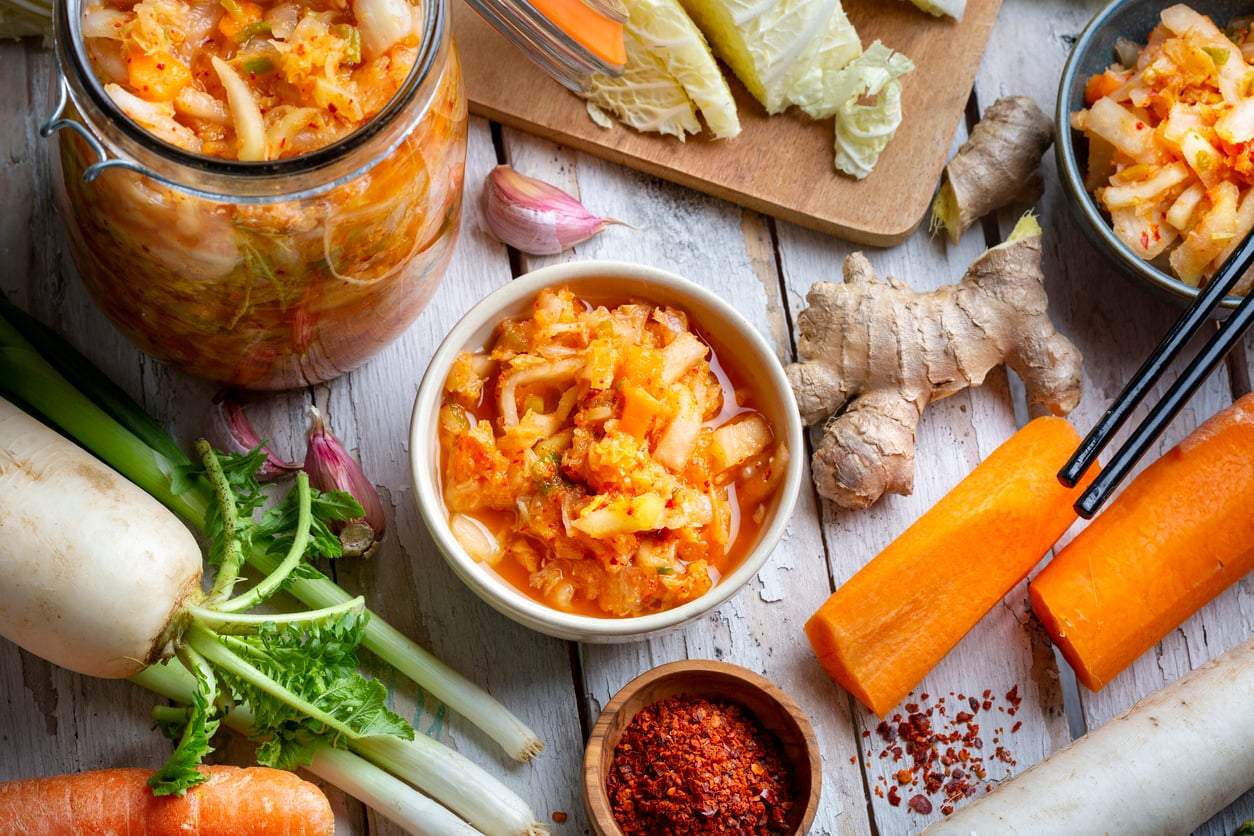
If you pay attention to what your body needs and when, you can not only reduce your pain but also balance your mood, energy levels, and digestion. Omega-3 fatty acids (e.g., flaxseed, walnuts, chia seeds, seaweed) have anti-inflammatory effects. Incidentally, research shows that women who regularly consume them report milder menstrual pain.
Similar can be said about foods rich in magnesium and vitamin B6, such as whole grains, but in cases of severe PMS symptoms, it is also worth considering well-absorbed magnesium supplements. It is also important to pay attention to vitamin E intake, and equally important to avoid caffeine, alcohol, and processed foods. These can significantly increase the effect of prostaglandins, thereby indirectly intensifying pain.
The bad news is that during the luteal phase, we typically crave these processed, inflammation-promoting foods, but the good news is that with balanced nutrition and living in sync with your cycle, we can drastically reduce binge eating.
Important: if the pain lasts more than three days, the bleeding is unusually heavy, clotted, or you experience new symptoms, be sure to consult a reliable gynecologist! If you pay attention to your body’s signals, support your hormonal system, and live in sync with your cycle as much as possible, you have already done a lot to make these days about self-care rather than survival.
And one more essential thing we cannot overlook: Based on my own and my clients’ experiences, I can say that emotional factors often deeply influence our relationship with our cycle. This also affects how painful our menstruation is. It matters greatly what patterns we bring from home, how we were spoken to about our cycle, whether we have trauma or shame related to this or to our femininity in general… It makes a huge difference whether we carry this negative “package” or support, naturalness, and acceptance.