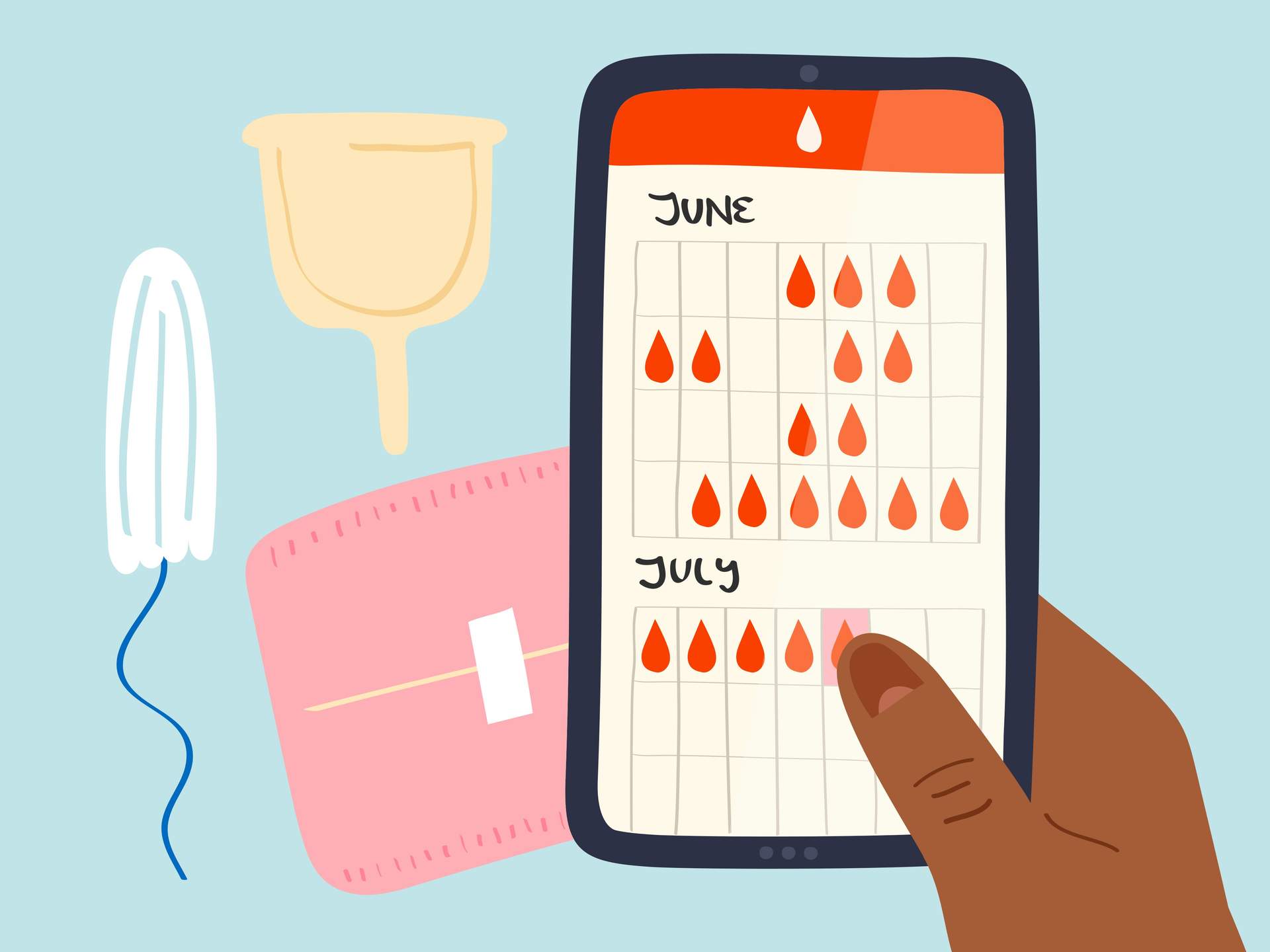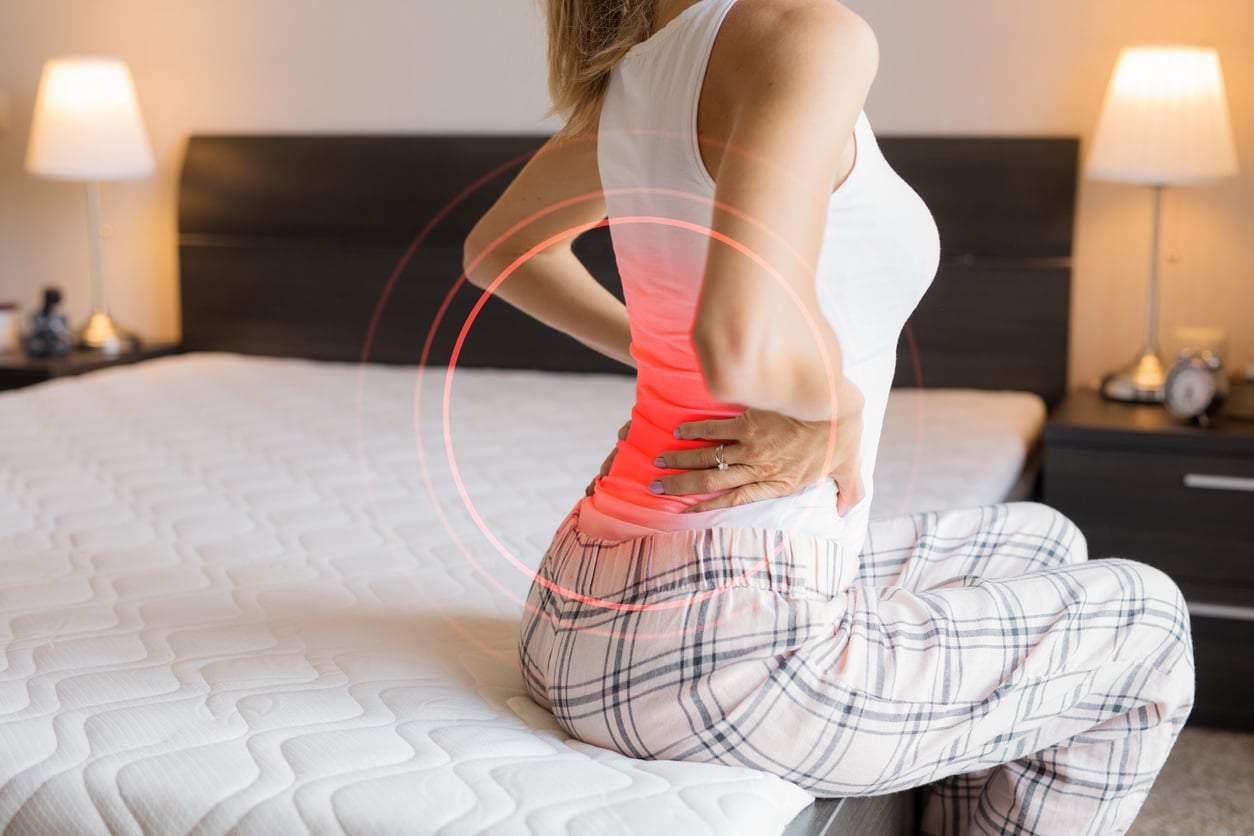
Period pain is something millions of women live with every month. But there's a point where "normal" cramps stop being normal — and that line matters more than most people realize. If your pain is intense enough to derail your day, it could be a sign of something that deserves real medical attention.
What is endometriosis?
Endometriosis is a condition where tissue similar to the uterine lining grows outside the uterus — most commonly on the ovaries, fallopian tubes, or other structures in the pelvis. Even though this tissue isn't where it should be, it still responds to your hormonal cycle: it builds up, breaks down, and bleeds. With nowhere to go, that process causes significant inflammation and pain.
Beyond painful periods, endometriosis can cause chronic pelvic pain, painful sex, and in some cases, fertility problems. The exact cause isn't fully understood, though hormonal and genetic factors are thought to play a role.
What normal period pain actually feels like
Some cramping during your period is completely normal. The uterus contracts to help shed its lining, and that can cause mild to moderate discomfort — especially in the first day or two. Over-the-counter pain relief typically takes the edge off, and the pain fades on its own.
Normal period pain should never be severe enough to stop you from going about your daily life.
That distinction is key. How intense is the pain, and how much is it actually affecting you? Those two questions can help you figure out whether what you're experiencing is typical — or worth investigating further.
Signs your pain might be more than just cramps
Women with endometriosis often describe pain that is far more intense and longer-lasting than ordinary period cramps. Crucially, the pain doesn't always stay confined to your period — it can flare up at other points in your cycle too.
Other warning signs include pain during or after sex, discomfort when using the bathroom (especially during your period), and persistent pelvic pain that lingers throughout the month. If any of these sound familiar, it's worth speaking to a gynecologist sooner rather than later.
How endometriosis is diagnosed and treated
One of the biggest challenges with endometriosis is that diagnosis is often delayed — many women assume their symptoms are just "bad periods" and don't seek help for years. An initial evaluation usually involves a thorough pelvic exam and imaging such as an ultrasound.
However, a definitive diagnosis typically requires a laparoscopy — a minimally invasive procedure where a small camera is inserted into the abdomen to directly examine the affected tissue.
If endometriosis is confirmed, there are several treatment paths available. These include hormonal therapies to manage the cycle and reduce tissue growth, pain relief medications, and in more advanced cases, surgical intervention to remove the affected tissue.
Ways to ease symptoms at home
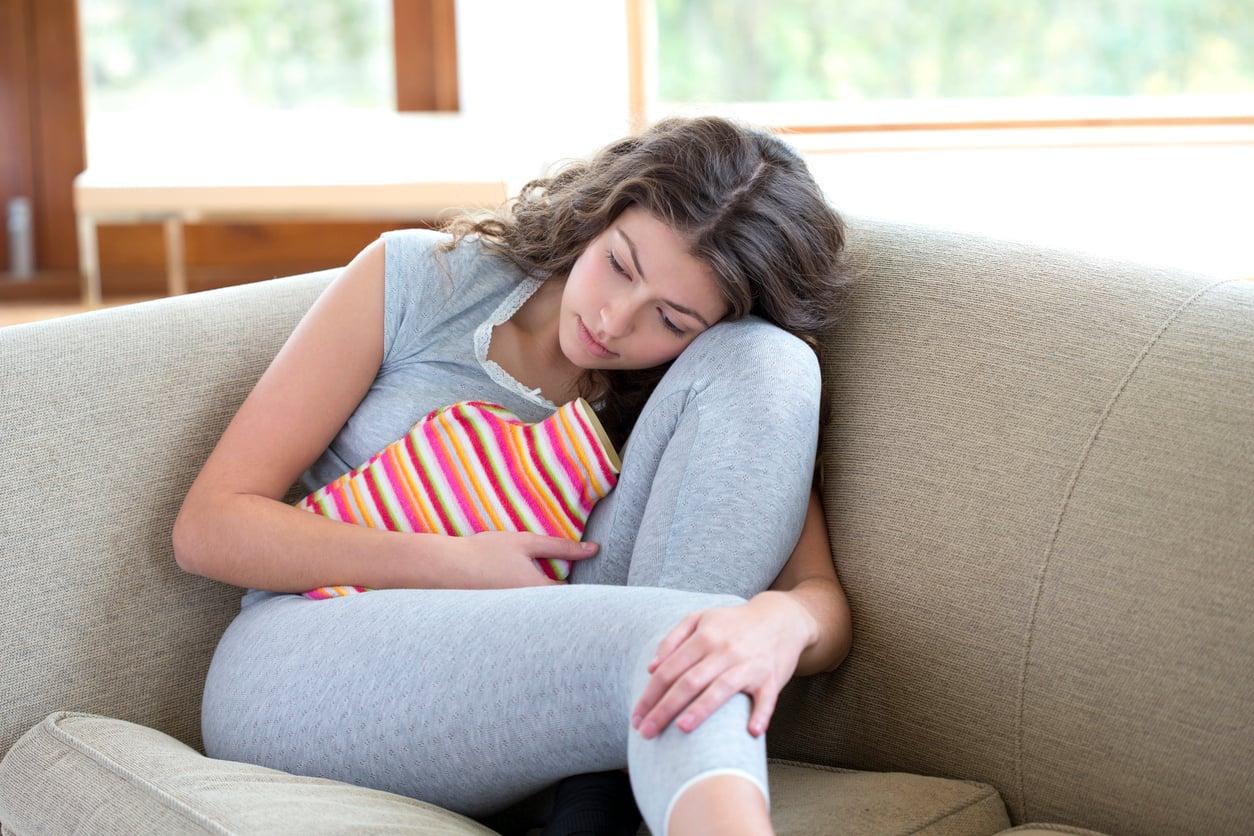
Medical treatment is the foundation, but there are also things you can do day-to-day to help manage the pain. A heat pad or hot water bottle applied to the lower abdomen is one of the most effective simple remedies. Rest, stress reduction, and gentle movement can also make a real difference.
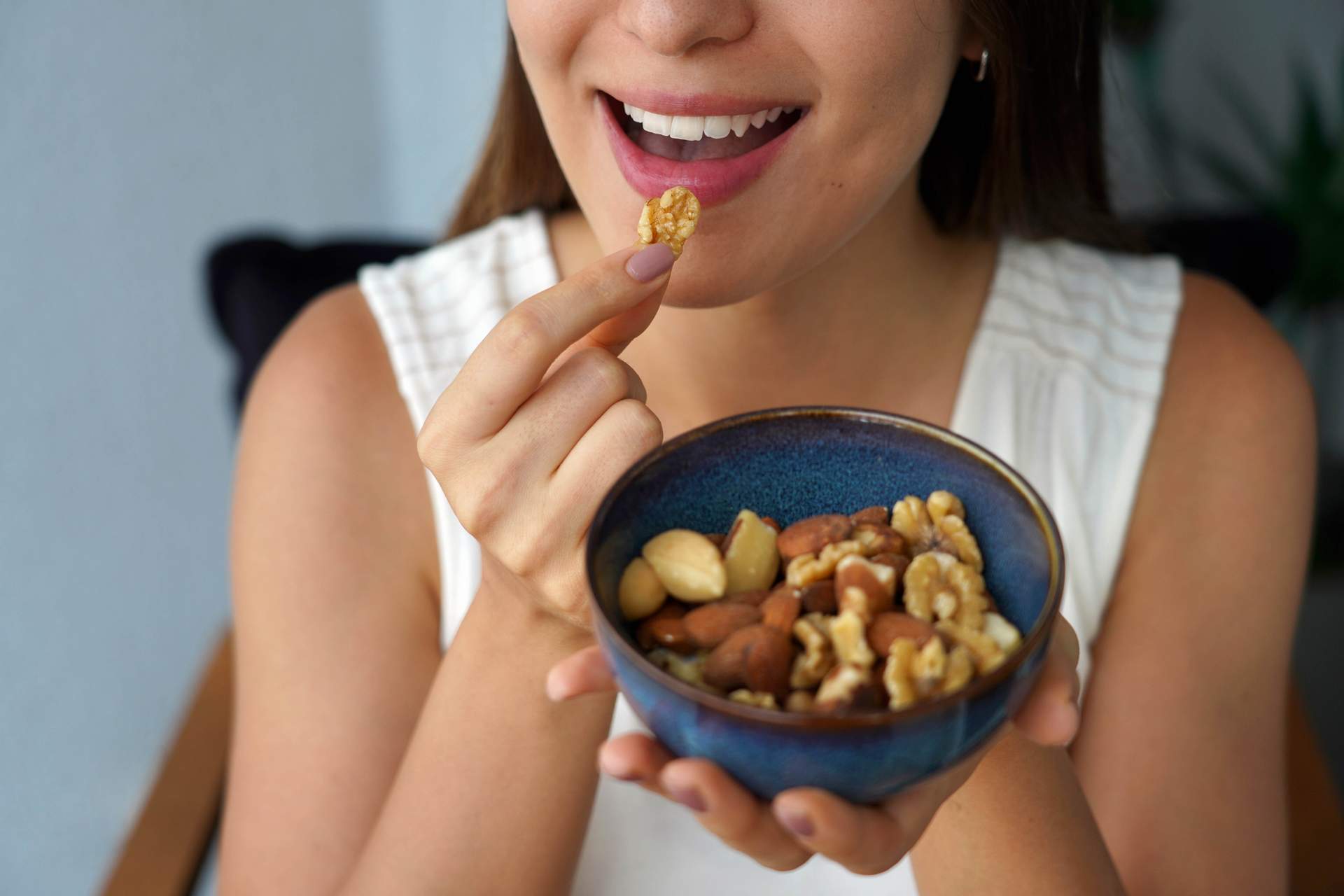
Diet plays a supporting role too. Eating plenty of vegetables and fruit, and incorporating anti-inflammatory foods — particularly those rich in omega-3 fatty acids like oily fish, flaxseeds, and walnuts — may help reduce overall inflammation levels in the body.
Learning to recognize the difference between period pain and endometriosis is one of the most important steps you can take for your long-term health. If your symptoms feel out of the ordinary, trust that instinct and make the appointment.
When endometriosis is caught and treated early, it's possible to significantly improve quality of life and reduce the risk of long-term complications. You don't have to just push through the pain.