After 40, your body simply doesn't let you get away with what it used to. Muscle mass starts slipping away faster each year, your hormones shift, and for many women this is exactly the moment they pick up a dumbbell for the first time — because running and yoga alone suddenly aren't enough anymore.
The motivation is there. The problem is that a few old, deeply ingrained myths walk into the gym right along with us, and sometimes they do more harm than the best-intentioned workout can undo.
You lift weights that are too light because you're afraid of "bulking up"
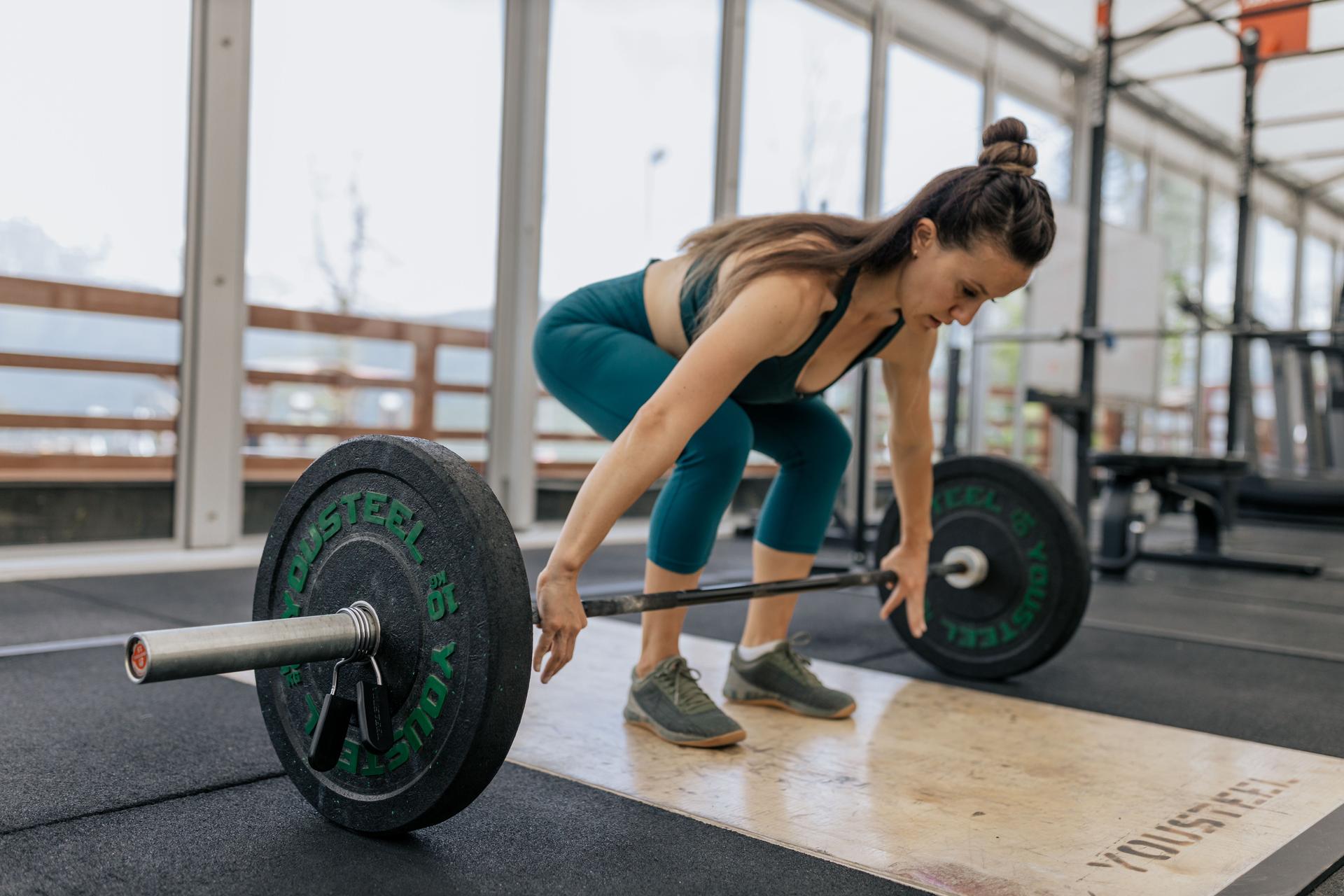
One of the most common mistakes is being scared of heavier weights, convinced they'll turn you into something too muscular or too "masculine." Here's the reality: because of how your hormones work, it's almost impossible for most women to accidentally build bodybuilder-level muscle.
Twenty reps with tiny one-pound dumbbells will get you far less than choosing a weight where the last two or three reps genuinely feel like a struggle. That challenge is exactly where the progress lives.
You chase cardio and treat strength work as an afterthought
Plenty of women over 40 still cling to the treadmill or the spin bike, because we learned young that losing weight means moving, and moving means getting your heart and lungs pumping.
But at this stage of life, preserving muscle mass matters at least as much as your cardio fitness. Muscle is what keeps your metabolism running, protects your joints, and supports your bones. Cardio isn't bad — it's just not enough on its own.
You don't get stronger by sweating for a long time. You get stronger by occasionally lifting something that's genuinely heavy.
You rush through the movements and let technique fall apart
Another classic trap is powering through exercises quickly and carelessly, believing that the more reps you crank out, the more effective the workout must be. In truth, proper form matters far more than speed or rep count.
A badly performed squat or bent-over row is much more likely to trigger a lower-back or knee problem after 40 than it was earlier in life, when your joints and tendons were still more forgiving and elastic.
You don't leave enough room for rest and recovery
Coming back to exercise after a long break, it's easy to feel like you have to make up for lost years — so you train every single day, no rest in sight. But muscle doesn't build and strengthen during the workout; it happens while you rest.
After 40, recovery usually takes longer than it once did. Ignore that, and fatigue, injury risk, and a sudden loss of motivation will catch up with you fast.
You neglect protein and the role of nutrition
Many women start strength training while barely changing what they eat — or worse, slashing their calories dramatically, assuming that with workouts on board, less food will do.
But building and maintaining muscle takes both enough protein and enough energy. Otherwise your body gets the stimulus from training but has nothing to build with.
You constantly measure yourself against everyone else
At the gym or on social media, it's all too easy to compare yourself to younger women who've been training for years — and that comparison is a breeding ground for rushing and overtraining.
After 40, your body responds differently and progresses at its own pace. That's not failure; it's simple biology. Women who measure their progress against their own earlier self — a slightly heavier weight, a slightly longer plank — get results that are more lasting and far safer than those who keep glancing at the numbers on the machine next to them.
Is lifting heavier weights safe for women over 40?
Yes. For most women, hormones make it nearly impossible to accidentally build excessive muscle. Choosing a weight that challenges you on the final reps is what drives real progress — as long as your technique stays solid.
Is cardio still worth doing after 40?
Absolutely. Cardio isn't bad for you, it's just not enough on its own. At this stage, preserving muscle is at least as important, since muscle supports your metabolism, joints, and bones.
Why does recovery matter so much at this age?
Because muscle rebuilds and strengthens during rest, not during the workout itself. After 40 that process usually takes longer, and skipping rest days invites fatigue, injury, and burnout.
How should I track my progress?
Compare yourself to your own earlier self rather than to younger women who've been training for years. Small wins — a heavier weight, a longer plank — add up to safer, more durable results.