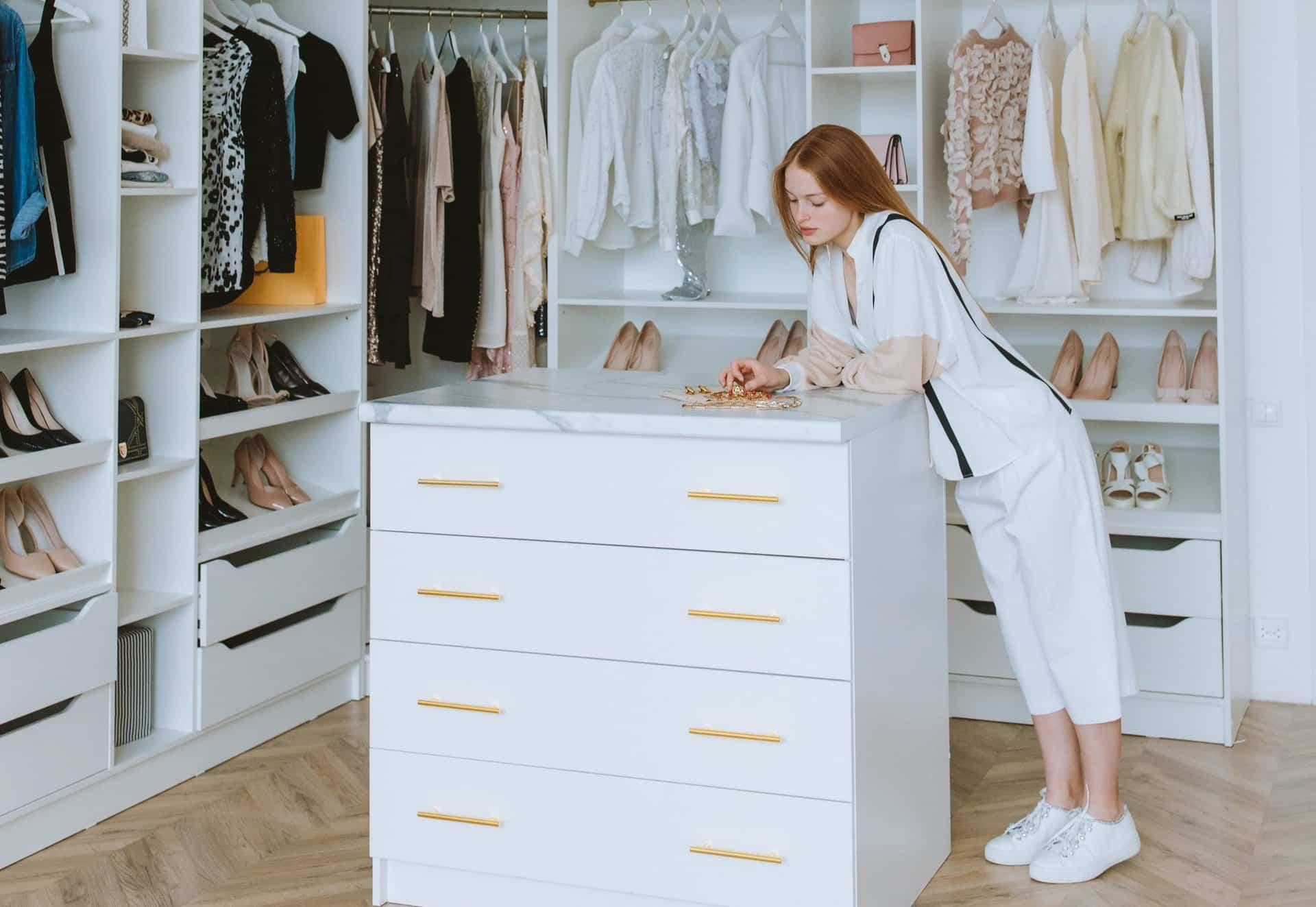
When a new piece of clothing joins your wardrobe—whether it’s a cool pair of jeans or part of the latest summer collection—the big question is: how do you store it so your closet stays tidy and your clothes stay in top shape? The simple answer depends on several factors, including the fabric, the space you have, and your storage habits. While every item is unique, a few general tips can help you decide whether to fold or hang your clothes.
Delicate and Fine Fabrics
Silk, lace, and other delicate fabrics need extra care. Hanging these items is best to avoid wrinkles and creases. But if space is tight, placing clean cotton cloths between folds can protect these fabrics when folding is necessary.
Often, delicate pieces are covered with garment bags to shield them from dust and sunlight—especially important if your closet gets some light. Just make sure the bag is breathable to prevent moisture and mold.
Knits and Heavy Fabrics
Imagine what would happen to your favorite knitted sweater if you hung it—it would likely stretch out and lose its shape. That’s why folding is the way to go for these fabrics, helping them keep their form and avoid constant pulling that hangers cause.
Heavy fabrics also do well on shelves. This saves space and prevents them from sagging or stretching over time, which can cause damage that’s hard to fix.
Denim and Thicker Fabrics
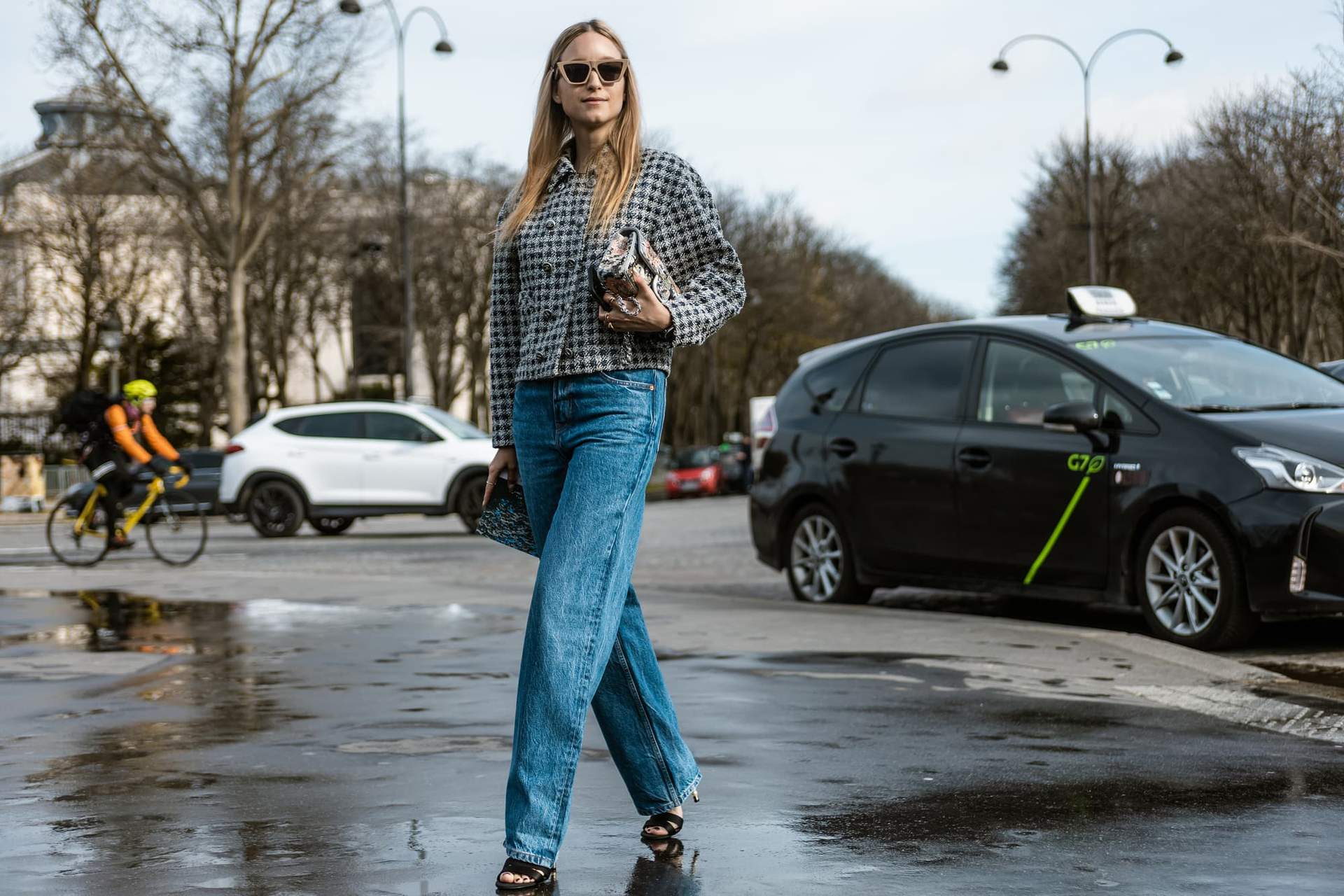
When it comes to denim, folding is often best since the dense, sturdy fabric resists wrinkles and folding frees up space on your shelves. But if you have enough hanging space, hanging your jeans can make it easier to see your colors and styles at a glance.
Thicker pants like corduroy or canvas also fit well folded. If you dislike wrinkles from folding, consider hanging them—especially if space allows.
Suits and Special Occasion Wear
Suits and formal wear really need to be hung. Folding can ruin their shape, and many fabrics crease easily, which affects how polished they look. When choosing hangers, pick ones with wide shoulders to keep the fabric’s form intact.
These pieces often require special care like dry cleaning, so storing them properly helps maintain their quality and elegance for years to come.
Everyday and Casual Pieces
Everyday clothes like t-shirts and simple outfits are made for folding. They don’t need special prep and storing them in drawers saves space.
To grab your daily favorites quickly, organize your drawers by categories like color or purpose. This keeps your wardrobe practical and visually pleasing—making your morning routine a breeze.
Sports and Leisurewear, Accessories
Sports and leisurewear, especially technical fabrics like moisture-wicking shirts and leggings, are best folded. Folding keeps these materials in great shape, while hanging can cause unwanted wrinkles.
Accessories need special attention too. Fold scarves and hats for easy storage, and use organizers for jewelry to keep your collection neat and your closet clutter-free.