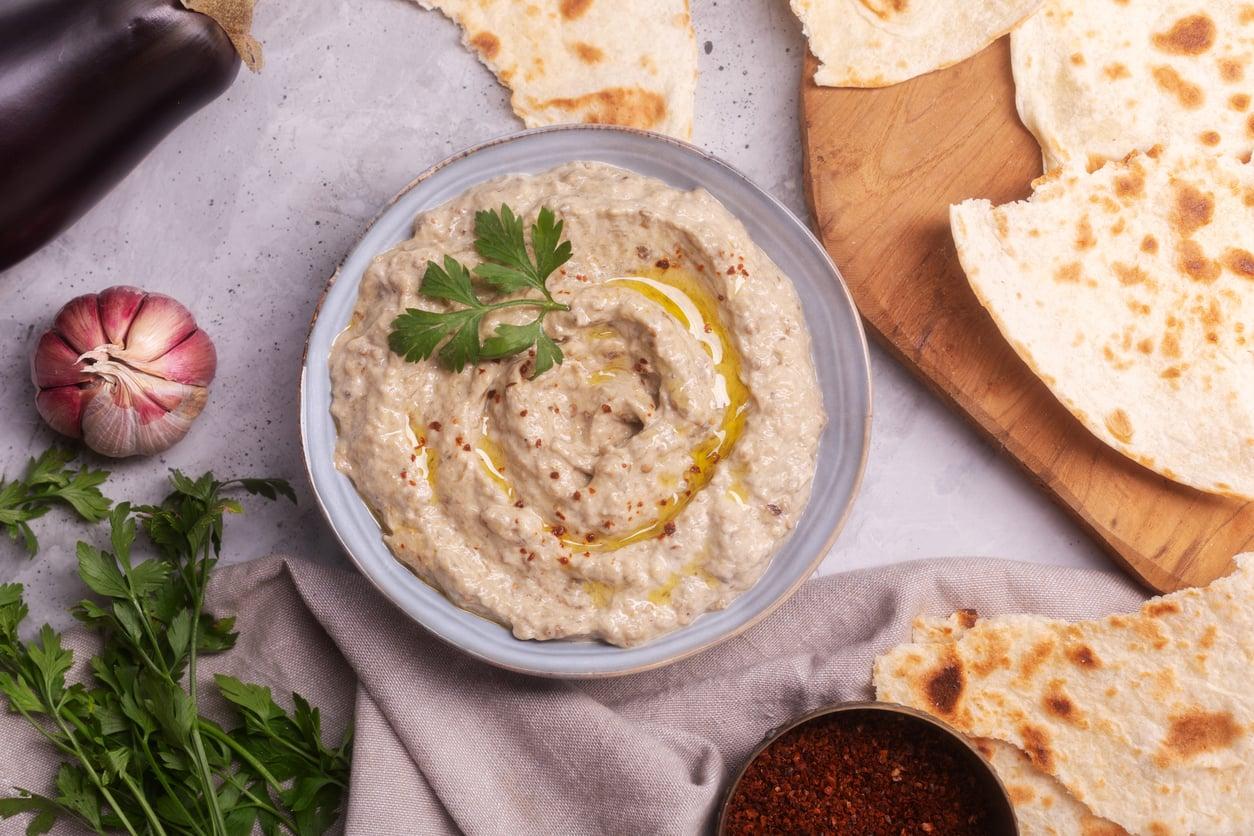
To keep eggplant spread on your table all year, freezing is a smart move. It’s not just a long-term solution for preserving veggies—it locks in their freshness and flavor too. This guide walks you through prepping and storing eggplants so you can savor that delicious spread anytime.
Why Freeze Eggplants
Freezing is a fantastic way to keep eggplants nutritious and tasty. Fresh eggplants shine in summer, but freezing lets you enjoy them during months when they’re scarce at markets or home gardens. This ensures your homemade eggplant spread always hits the spot.
Plus, freezing lets you process large batches at once, saving time and effort. If you love cooking at home, this method is a game-changer—ready to pull out your kitchen magic anytime.
How to Pick the Best Eggplants
Great dishes start with smart shopping. Head to a farmers’ market and find a vendor with plenty of eggplants. Choose those with firm, smooth skin and vibrant color—they’re perfect for freezing. Avoid any with spots, soft patches, or wrinkles, as these signs point to lower quality.
Also, size matters. Medium-sized eggplants usually have fewer seeds and a richer flavor, making your eggplant spread taste even better.
Prep for Freezing—Roasting Brings Out the Best Flavor
- Wash the eggplants thoroughly, then prick them a few times with a fork to let steam escape while roasting.
- Roast over an open flame or in the oven:
- Over flame: place eggplants directly on hot coals or a grill, turning occasionally until all sides are charred and soft.
- In the oven: arrange eggplants on a baking tray and roast at 200 °C (about 400 °F) for 40–50 minutes until tender.
- Let them cool slightly, then peel off the skin. Scoop out the flesh with a spoon and place it in a strainer to drain excess moisture.
- Cool the eggplant flesh completely before freezing. This helps prevent ice crystals that can affect texture.
Freezing Steps
Divide the cooled, peeled eggplant flesh into smaller portions—like one eggplant per pack—and seal them airtight in containers or sturdy freezer bags. Flatten bags to freeze faster and save space.
Making Eggplant Spread from Frozen Eggplant
When it’s time to make eggplant spread, there’s no need to thaw the eggplant fully. Just take out the amount you need and let it soften slightly before processing. Then prepare as usual, adding garlic, lemon juice, or other seasonings to taste.
Frozen eggplant works just like fresh in recipes. Since it’s pre-cooked, your prep time can be shorter, making meal prep smoother and quicker.
Besides the classic spread, try exciting twists like adding roasted peppers, yogurt, or tahini for creamier texture and richer flavor. Fresh herbs like basil or parsley also make fantastic additions.
Experiment with spices like cumin, paprika, or chili flakes to keep your eggplant spread fresh and surprising every time. These creative touches will delight your taste buds.