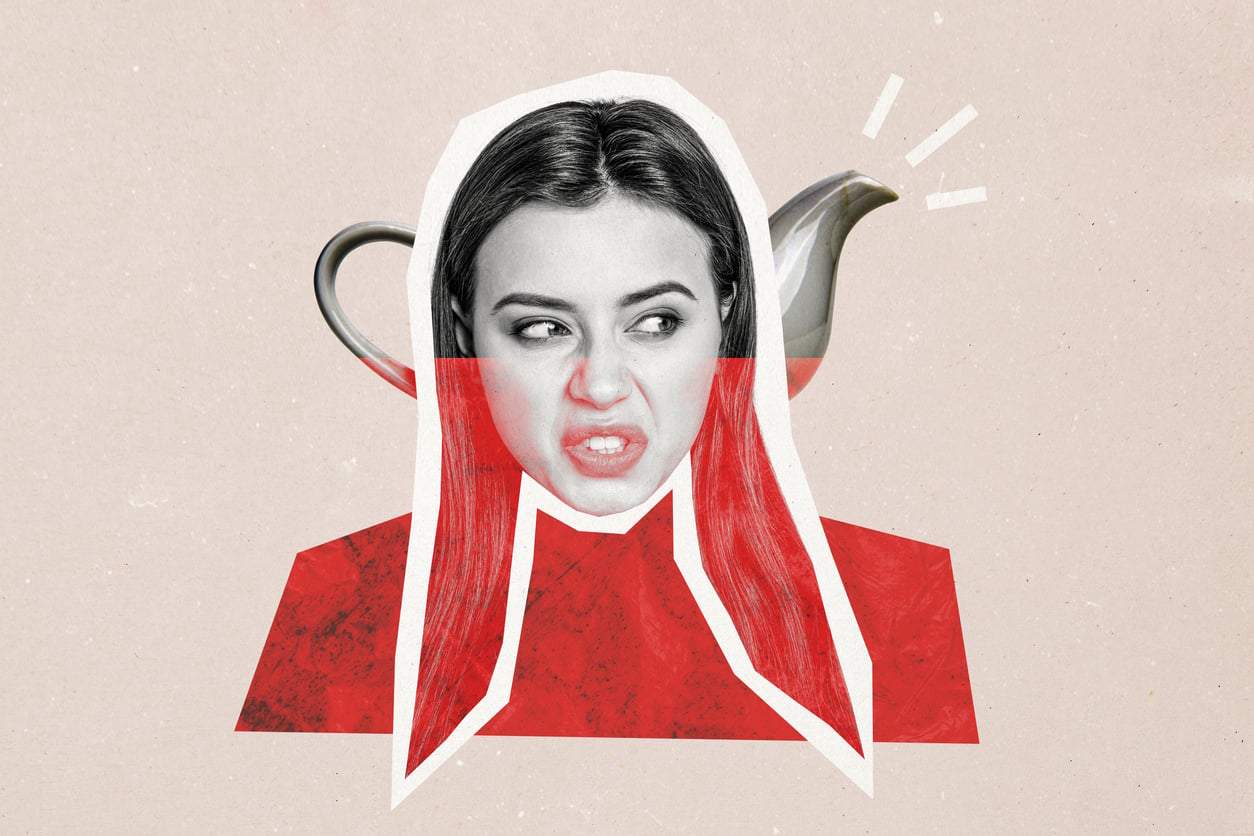
Spending time by the water, enjoying fried dough, ice cream, concerts, festivals, or simply soaking up the sun outdoors can feel amazing in summer. But sometimes, the season itself can trigger what’s called summer depression. To understand what this condition really means, how to spot it, and what you can do, psychologist Frauhammer Alexa is here to guide us.
Alexa works as a counseling psychologist with young and middle-aged adults. She values exploring individual strengths and tailoring support to each person’s unique needs and pace. She mainly focuses on stress management, relationships, self-esteem, and self-awareness, so I knew I could confidently turn to her with my questions about summer depression.

Meet the Expert:
Frauhammer Alexa
Psychologist
When Exactly Is It Summer Depression?
Summer depression, like its winter counterpart, follows a seasonal pattern tied to the changing seasons. Known as seasonal depression or seasonal affective disorder (SAD), it’s diagnosed when depressive symptoms persist for at least two consecutive seasons (summer/winter) and then ease or disappear in the following seasons (fall/spring).
What Usually Causes It?
While the causes of winter depression seem obvious to many (less sunlight, colder weather), summer depression is trickier to understand. Research is still ongoing, but it may be linked to changes in our body’s circadian rhythm. Just as too little sunlight can disrupt our internal clock, so can too much.
Negative body image can also play a role, since summer often exposes parts of the body we usually cover up. For those already struggling with body image, this season might feel even tougher. Plus, extreme weather and heat can increase irritability and fatigue, making it easier for depressive symptoms to develop.
What Are the Most Common Symptoms?
Symptoms include low mood, reduced activity, fatigue, irritability, sleep problems, loss of appetite, feelings of hopelessness, and losing interest in things that used to bring joy. These symptoms typically start in late spring or early summer and fade by the end of summer.

How Is It Different from Winter Depression?
The symptoms of summer and winter depression are largely the same — and similar to depressive disorders in general. One key difference is treatment: light therapy often helps with winter depression but isn’t effective for summer depression. So, the main differences lie in the triggers rather than the symptoms.
What Can You Do to Feel Better?
Start by observing yourself: when do symptoms first appear, and what seems to trigger them? Can you change anything, like your daily routine, to help reset your mood?
Sleep quality and feeling rested play a big role in mood. Try to establish a consistent sleep schedule, get enough hours of rest, avoid staying up late or sleeping in too long.
Also, create a sleep-friendly environment: keep your bedroom at a comfortable temperature, limit screen time before bed, and relax to prepare for sleep.
To balance a disrupted routine, bring some structure into your days. Regular exercise, daily walks, or consistent meal times can provide helpful anchors.

How to Support Someone Showing Signs of Summer Depression
If you notice summer depression symptoms in someone around you, don’t downplay their struggles or try to cheer them up with phrases like "It’s not a big deal," "Snap out of it," or "Others have it worse." Instead, let them know you’re there to listen whenever they want to talk.
Rather than giving unsolicited advice or clichés, ask how you can help and what support would actually mean the most to them right now.
It’s also important to acknowledge their feelings and recognize that this is a tough time. You don’t have to fully understand why they feel this way — respecting their emotions is what truly matters.
When Should You Seek Professional Help?
Feeling down, unmotivated, or having sleep troubles can happen to anyone for short periods. But if these symptoms last more than 1-2 weeks and interfere with daily life, it’s important to reach out to a professional.
Cover image: AleksandarNakic/istockphoto.com