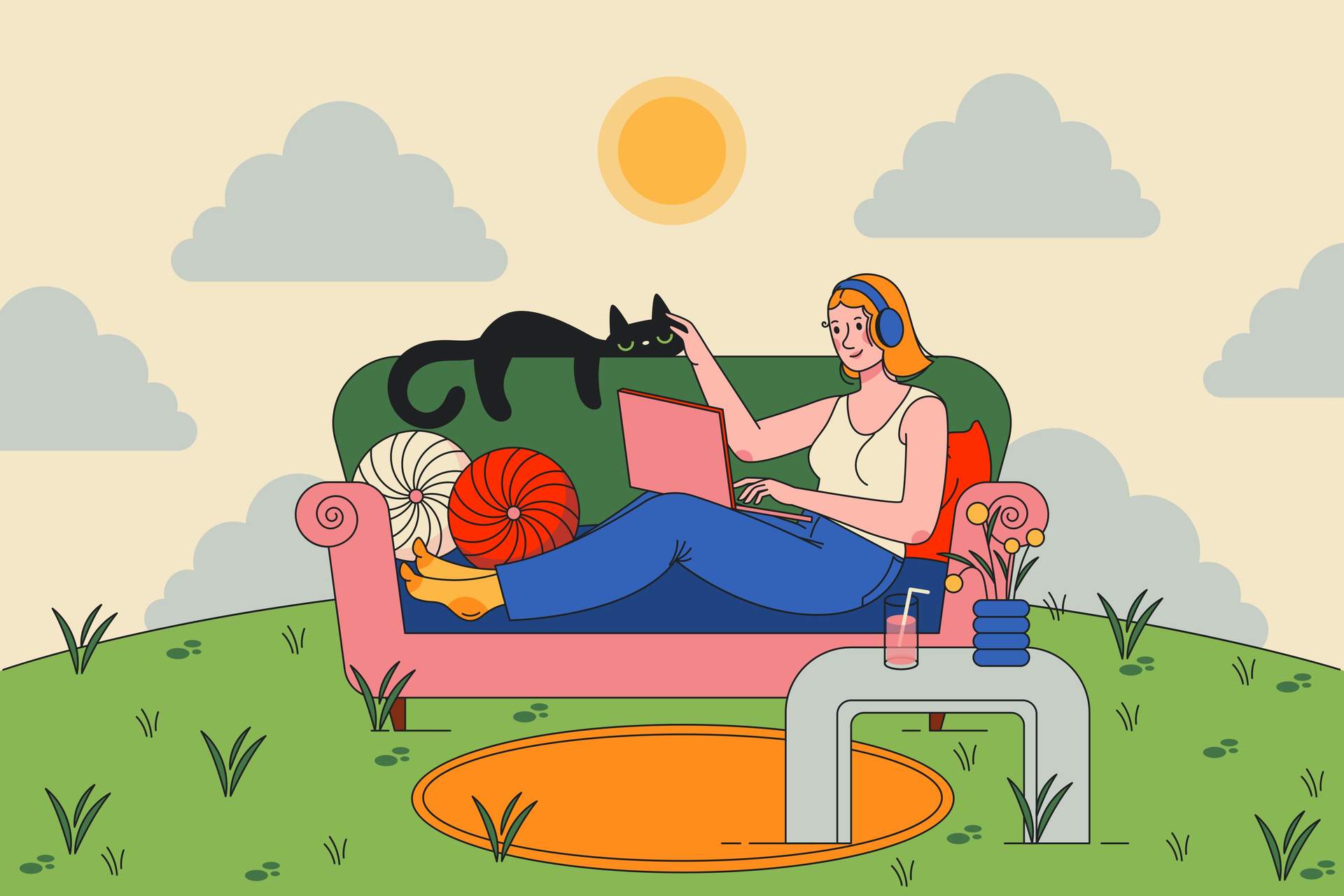
There’s a moment at the end of the day when, in theory, you could do anything. You might read, learn something new, start a long-postponed project, or just tidy up around you. Yet often, what happens is you sit down, open a streaming site, and start a show. Not necessarily one you’ve been eager to watch, nor something especially important. Just something random that, oddly enough, instantly calms you.
At first glance, it’s easy to call this laziness or procrastination, but often there’s something quite different going on behind the scenes. Throughout the day, we make constant decisions—even the small ones matter. We decide when to reply to a message, which task to tackle first, what to eat, what to say yes or no to. Each choice is tiny, but all demand mental energy from our brain. By day’s end, that energy simply runs out.
When Even Choosing How to Spend Time Feels Exhausting
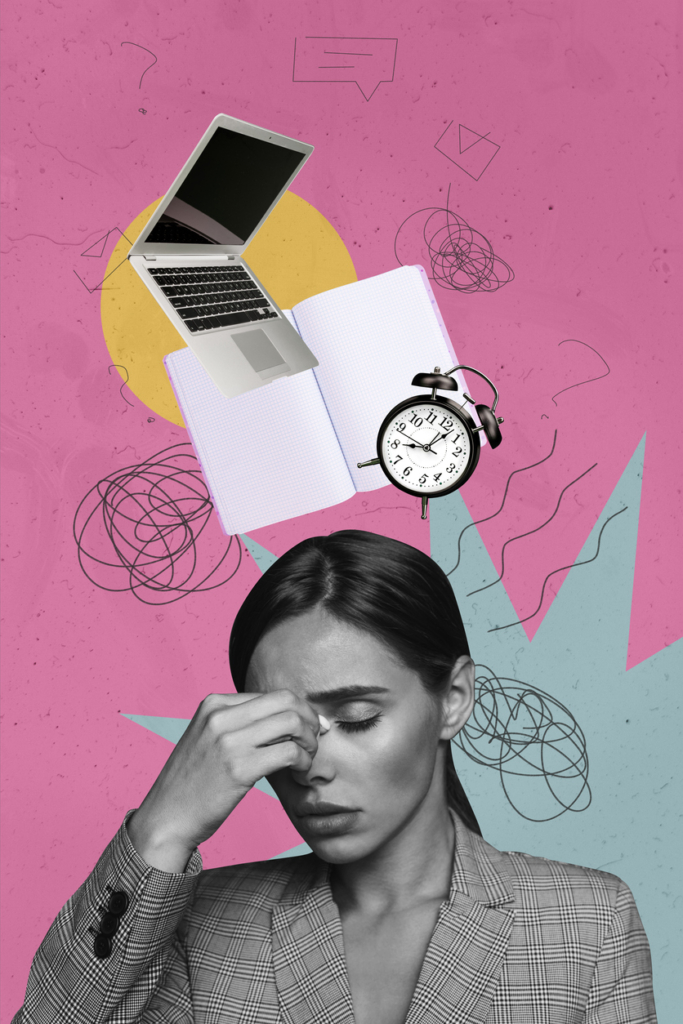
This is called decision fatigue. When you’ve made too many choices, the next one feels disproportionately hard—not because it’s complex, but because your brain just doesn’t want to weigh options anymore.
At times like this, even deciding how to spend your free time becomes tough.
In these moments, binge-watching is almost the perfect escape. Starting an episode removes the question of what you should do next. No need to decide what’s most useful, interesting, or productive. The story is ready, the pace is set by someone else—you just follow along.
Shows as a Temporary Shelter from Decisions
Maybe that’s why “random” picks work so well. When you just start something without trying to optimize, without hunting for the perfect show, without aiming for the perfect choice, it can feel freeing after a day full of weighing options.
At these times, the show isn’t about the experience itself. It’s about lifting the burden of making one more decision. For a little while, you don’t have to figure out how to spend your time, start something new, or focus your attention. That’s why this moment feels so soothing. Not because the show is special, but because finally, there’s a little time when you don’t have to decide anything.

When Rest Feels Easier Than Starting Over
Interestingly, it’s often not the show itself that matters, but the state it creates. During an episode, you don’t have to set new goals, perform, or decide the next step. Time simply passes, the story moves forward, and you get to step away briefly from the constant alertness we live in during the day.
That’s why even a seemingly insignificant episode can feel so good—not because it offers a special experience, but because it asks nothing of us.
Often, it’s not the story that pulls us in, but the chance to not be actively present for a while.
The show runs, scenes change, and slowly the flood of thoughts from the whole day quiets down in your mind.
At these times, your attention works differently: you half-follow the story, half just rest. That’s why it’s so common to automatically start the next episode—not because you’re super eager for the continuation, but because it feels good to stay a little longer in this decision-free zone.
If next time you catch yourself plopping down in front of the TV instead of starting another task, it might not be laziness. You might simply be worn out by decision-making. Sometimes, we don’t need new goals, plans, or efficiency—we just need a little time when we don’t have to control anything. When the story moves forward for us, and we quietly follow along. Maybe this is exactly the short break our brain needs most at the end of the day.