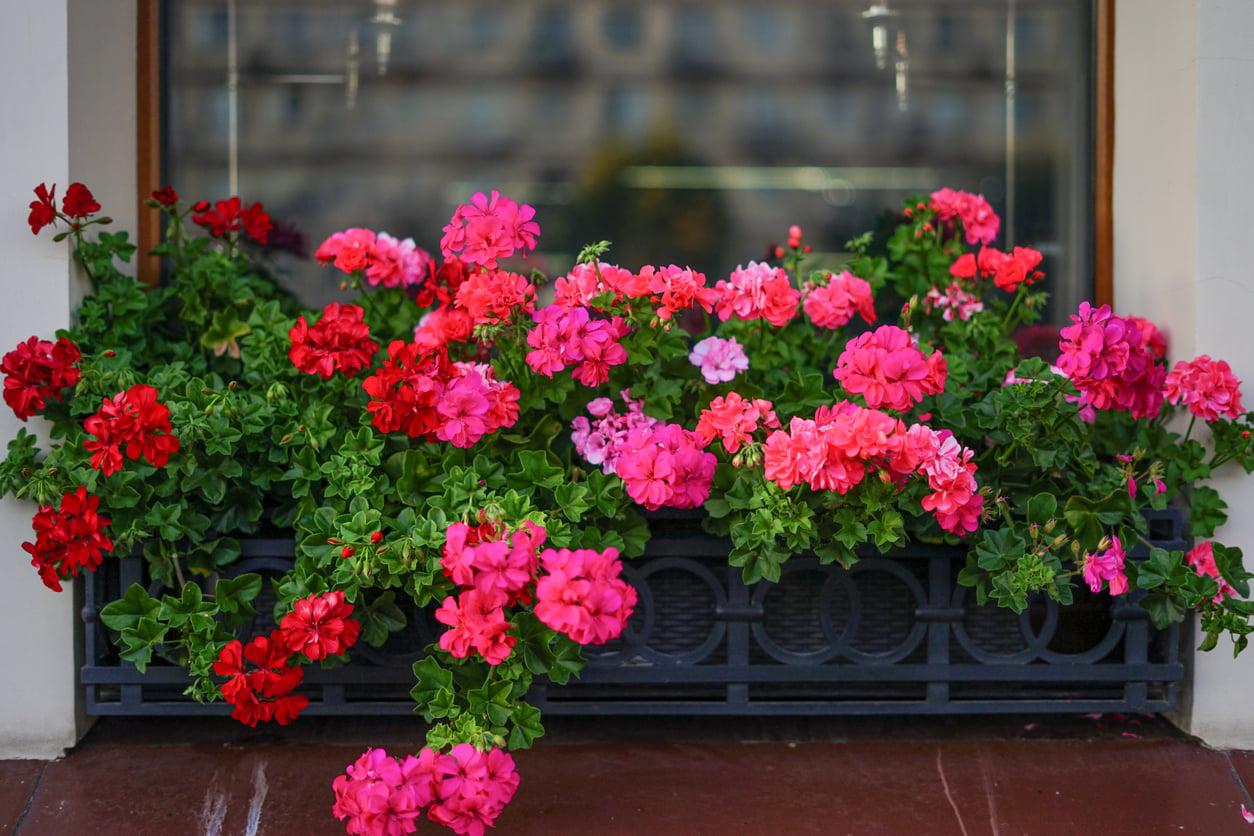
You come back to the balcony after a stretch of relentless sun and it looks like a small crime scene: crisped edges, collapsed stems, one pot that has visibly shrunk away from its own sides. The instinct is to water everything heavily and look away for a few days. Don't. August damage is very sortable, and the plants that recover are almost always the ones you assessed properly in the first ten minutes.
First, find out what is actually dead
Brown leaves are not proof of death; they're proof of a plant shutting down non-essential departments. The real test is the stem. Scratch a fingernail lightly along a woody or semi-woody stem — green or pale and moist underneath means living tissue, brown and dry means that section is gone. Work from the tips downwards until you find green, and you have your cut line.
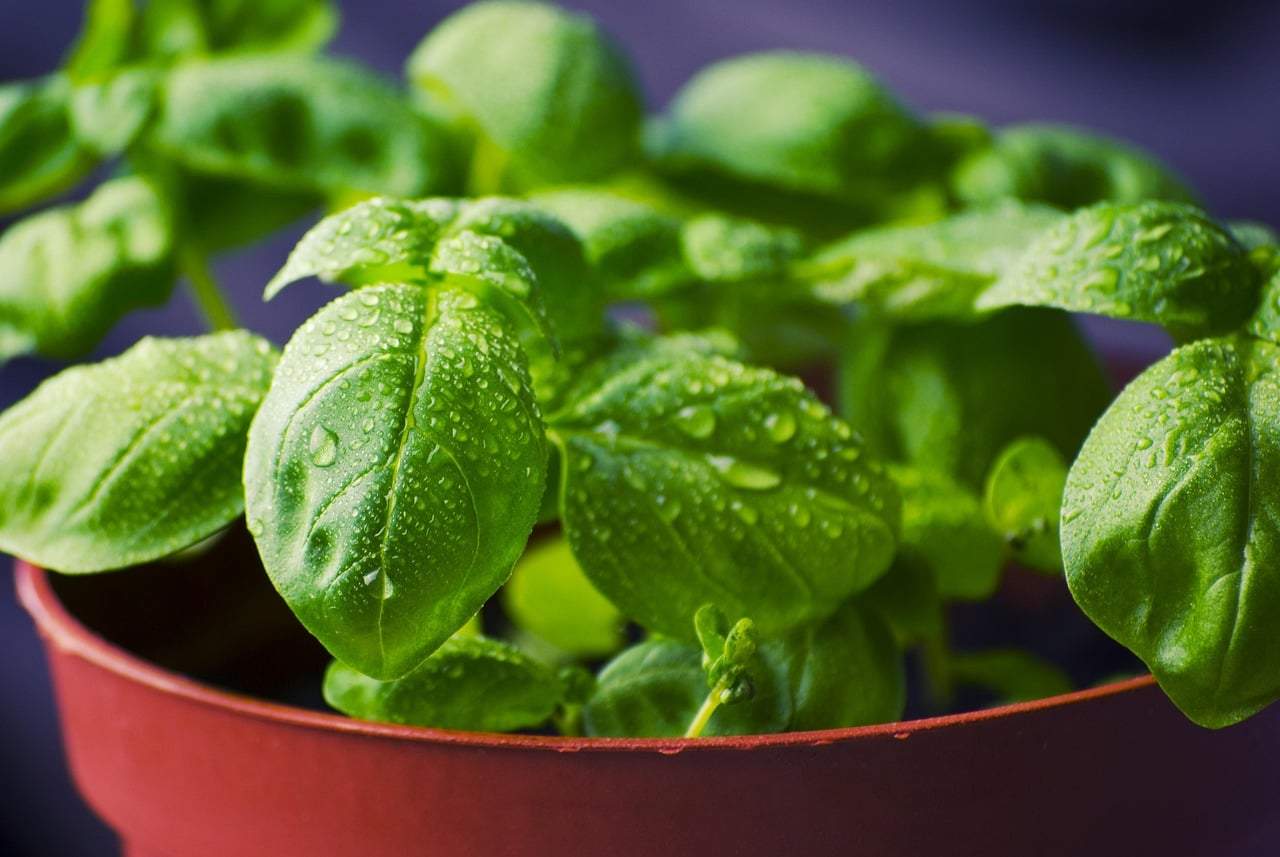
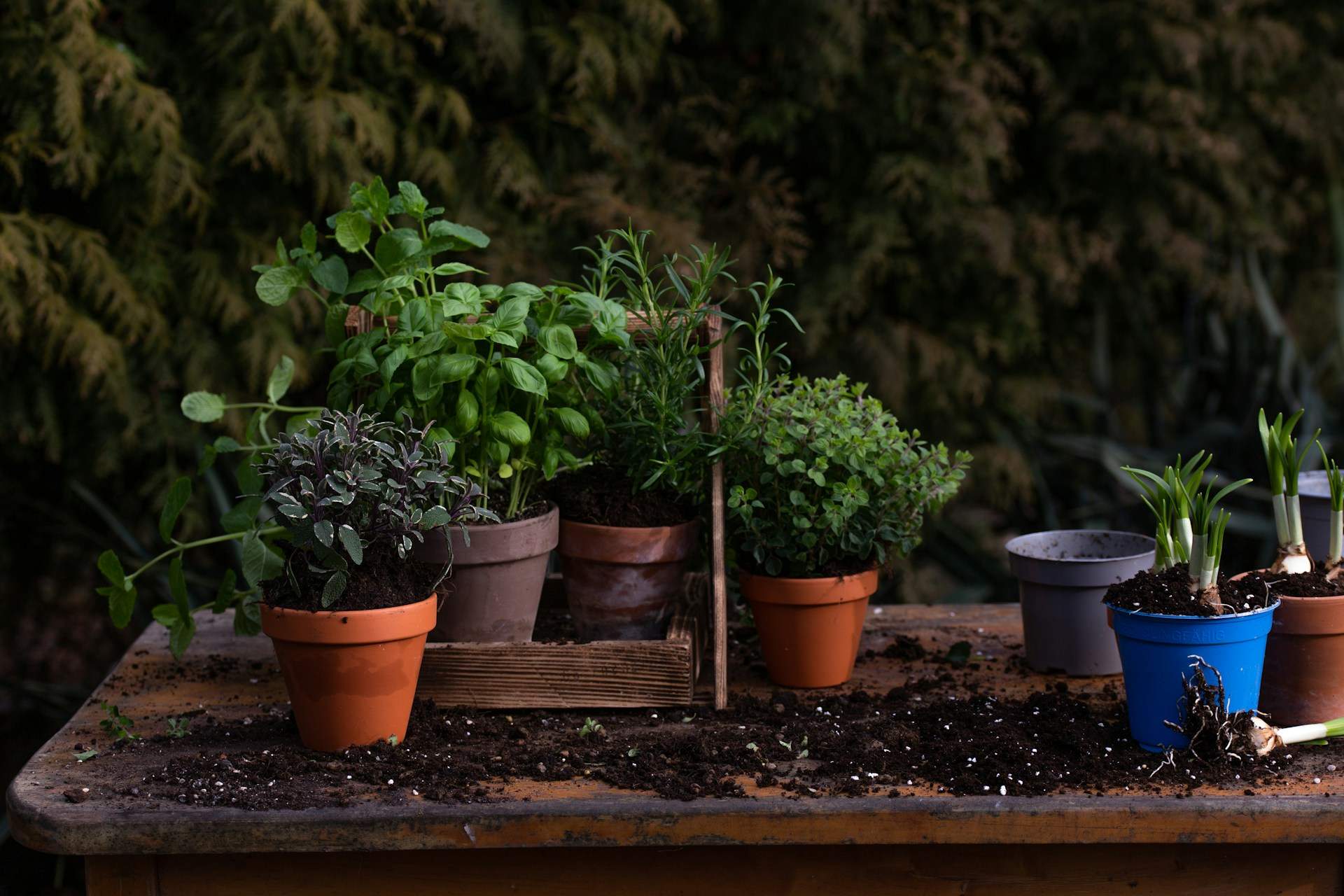
For soft-stemmed plants, check the crown at soil level and gently squeeze the base. Firm and cool means there is something to work with. Mushy, or lifting out of the compost with no resistance, means it's compost now. Herbs like thyme, rosemary and oregano are far tougher than they look; basil and coriander are the first to surrender and rarely come back.
Rehydrate properly, not generously
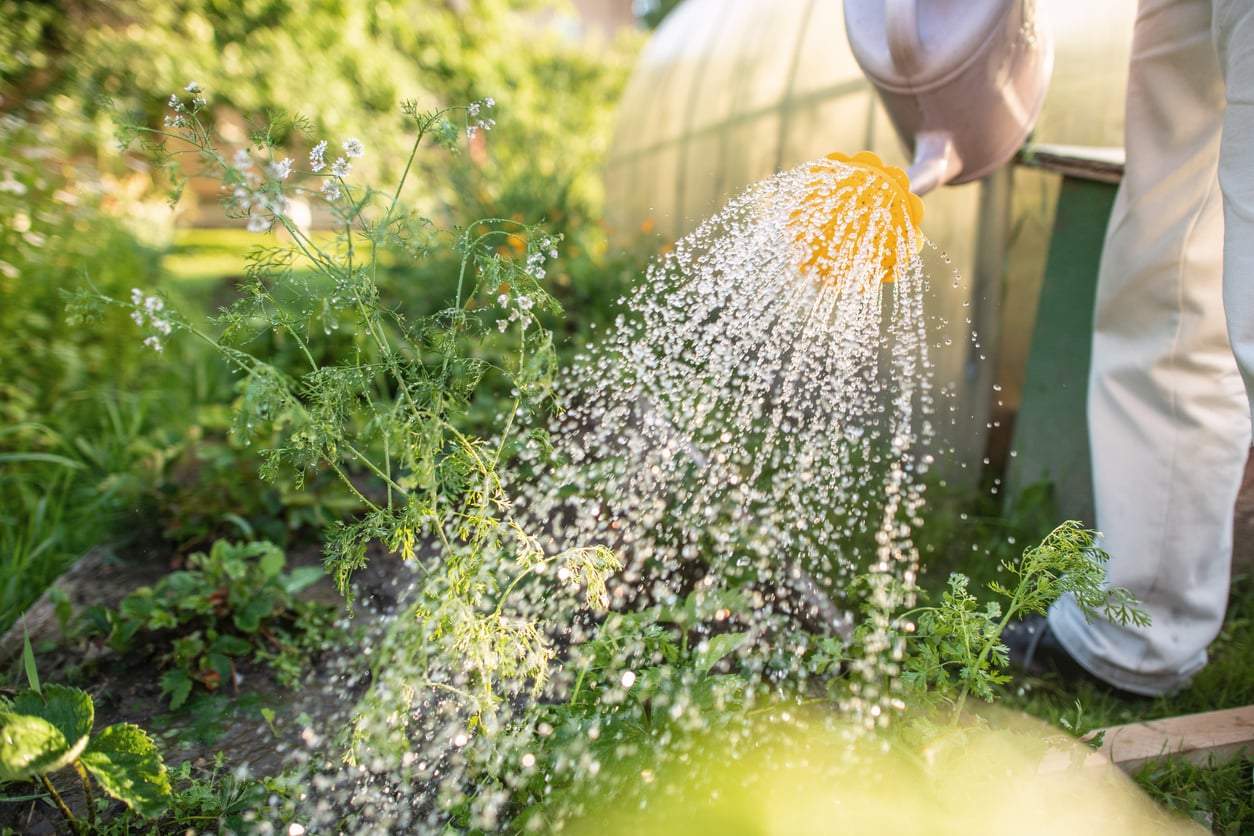
Bone-dry compost repels water. Pour a can over the top and most of it will run straight down the gap between root ball and pot, out of the drainage hole, and you'll congratulate yourself on a thorough watering the plant never received. Instead, bottom-soak: stand the pot in a bucket, basin or the bath with water reaching a third of the way up, and leave it until the surface of the compost darkens — often twenty minutes for a small pot, longer for a big one. Then let it drain completely. Sitting in water afterwards will finish off roots the heat didn't.
Anything too heavy to lift gets the slow approach: several small waterings twenty minutes apart, so the compost re-wets in stages, plus a gentle poke around the edges with a stick or skewer to close the shrinkage gap.
Cut, shade, and then leave them alone
Once hydrated, remove what is clearly dead — crisp leaves, hollow brown stems — and cut back to just above a living node. Resist a dramatic haircut on anything still holding green leaves; damaged foliage is ugly, but it is also shading the roots and still doing a little work.
Then move the survivors. A hot balcony is not one climate, it's several: the corner that gets shade from noon, the strip under the railing, the spot beside a west-facing wall that radiates heat until midnight. Cluster recovering pots together on the coolest side so they shade each other, stand them on trivets or bottle caps to lift them off scorching tiles, and if a heat spell is forecast again, an old sheet or a length of shade netting pegged to the railing costs almost nothing and buys days.
Should I water in the morning or the evening during a heatwave?
Early morning is the best single option for containers, because the plant enters the hottest hours already hydrated and the foliage dries quickly, which keeps mildew at bay. In genuinely extreme heat, watering twice — a proper morning soak and a smaller top-up in the evening once the sun is off the pots — is usually better than one enormous midday drenching, which mostly evaporates and can shock roots that are already stressed.
Should I feed a heat-stressed plant to help it recover?
Not immediately. A plant with damaged roots cannot use a hit of fertiliser and concentrated salts in dry compost can burn what's left, so wait until you see new growth — usually a week or two after rehydration — and then start with a diluted, half-strength feed. Water first, feed second, never onto dry soil.
Know which ones to let go, and what to sow instead
Some pots are simply finished, and clinging to them costs you the rest of the season. Annuals that have bolted, a basil reduced to sticks, salad that has gone bitter and skyward — pull them, keep the compost, refresh it with a handful of fresh material, and use the space. Early August is still a workable sowing window in a lot of places for fast salad leaves, rocket, spinach, coriander and radish, which actually prefer the shorter, cooler days ahead.
That's the quiet consolation of a heat-wrecked balcony: it clears space you would never have cleared voluntarily. Sort the survivors, mourn the losses briefly, and get something green into the empty pot the same week — it's much easier than looking at bare compost until spring.