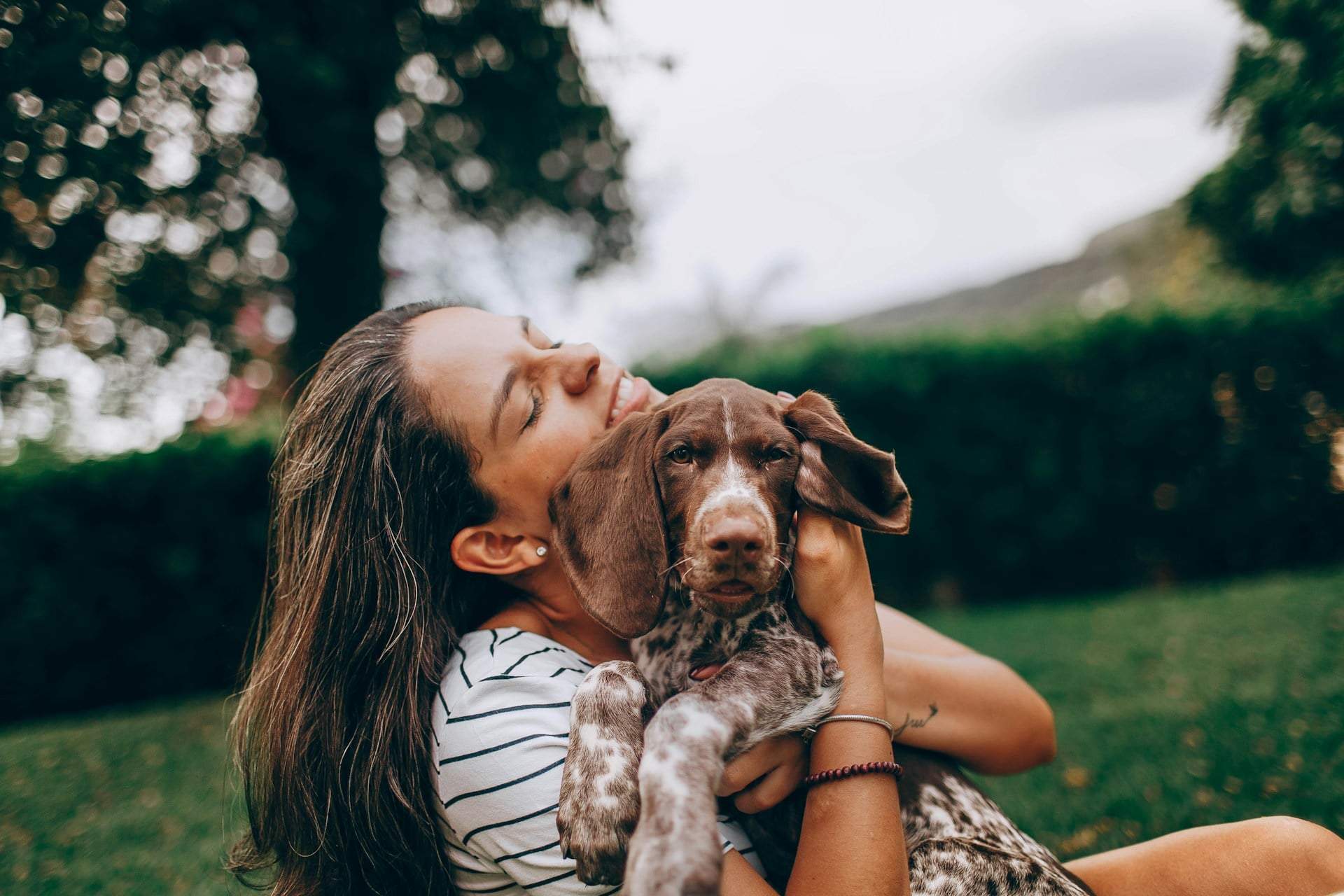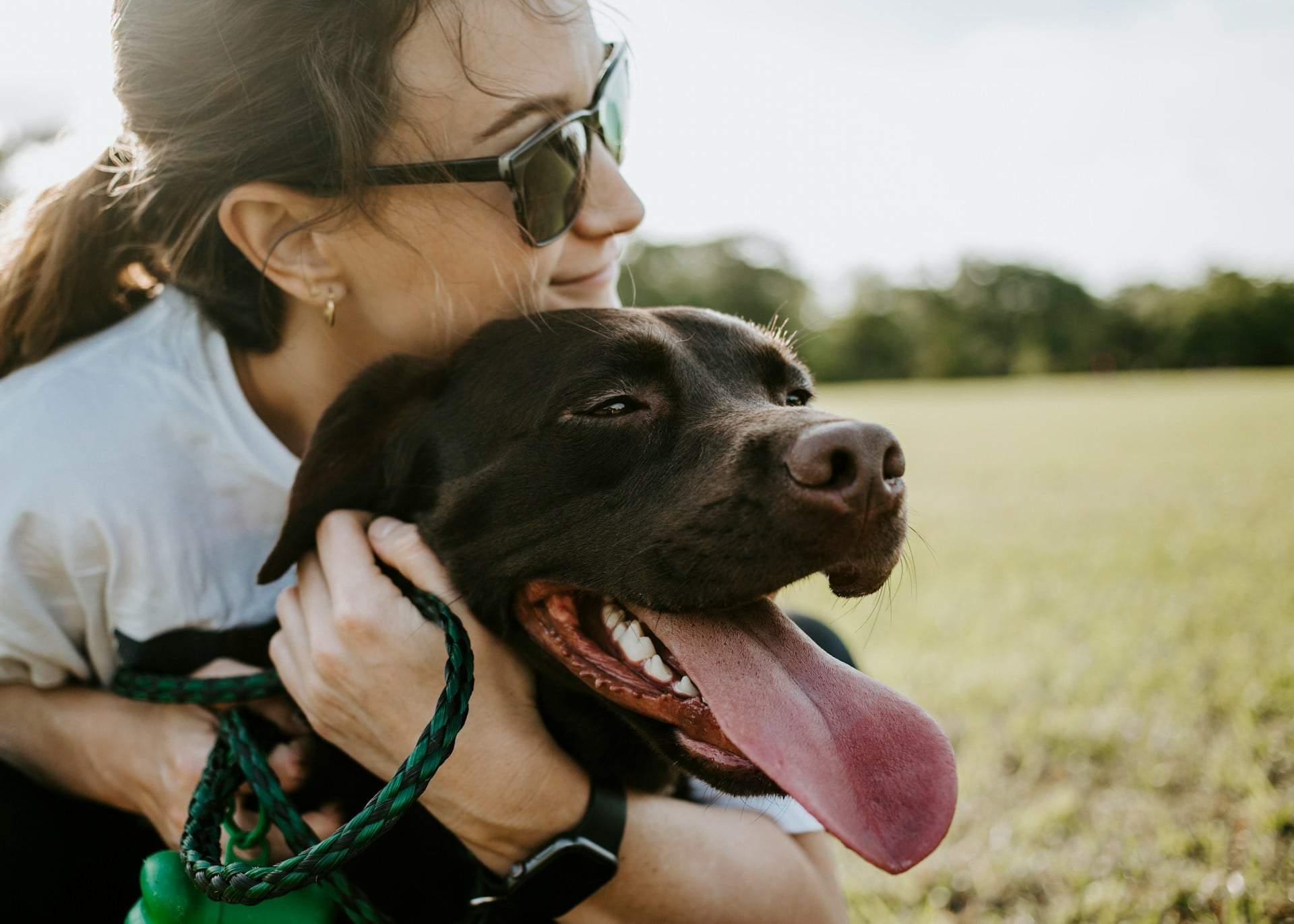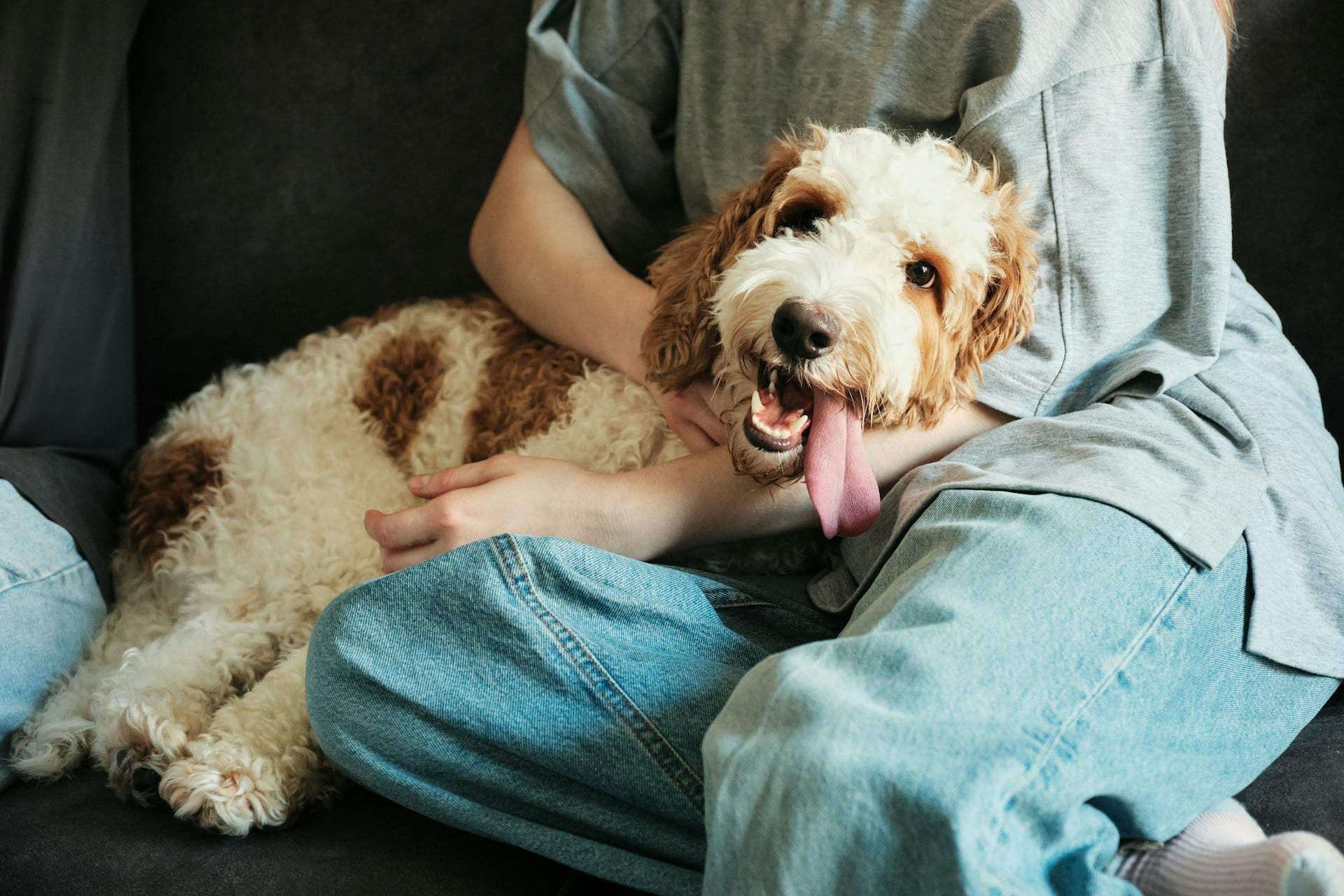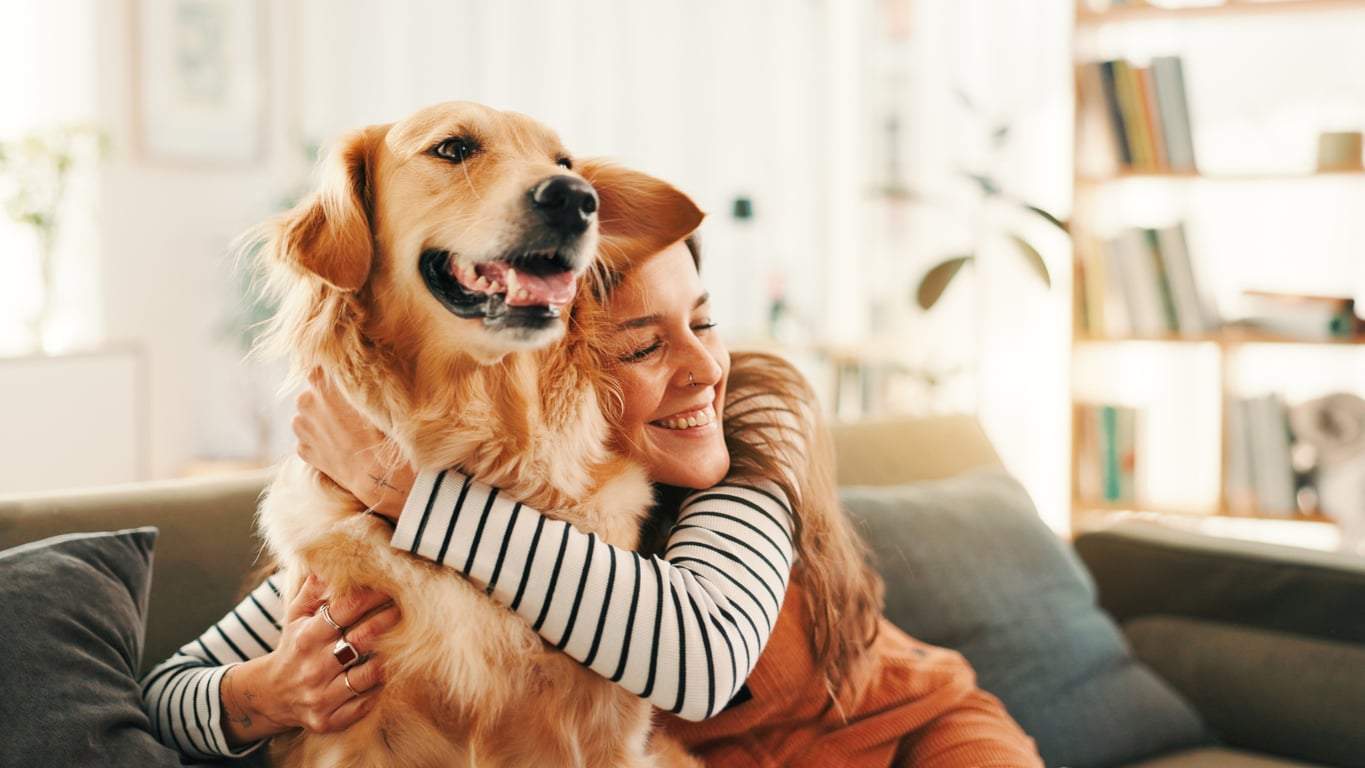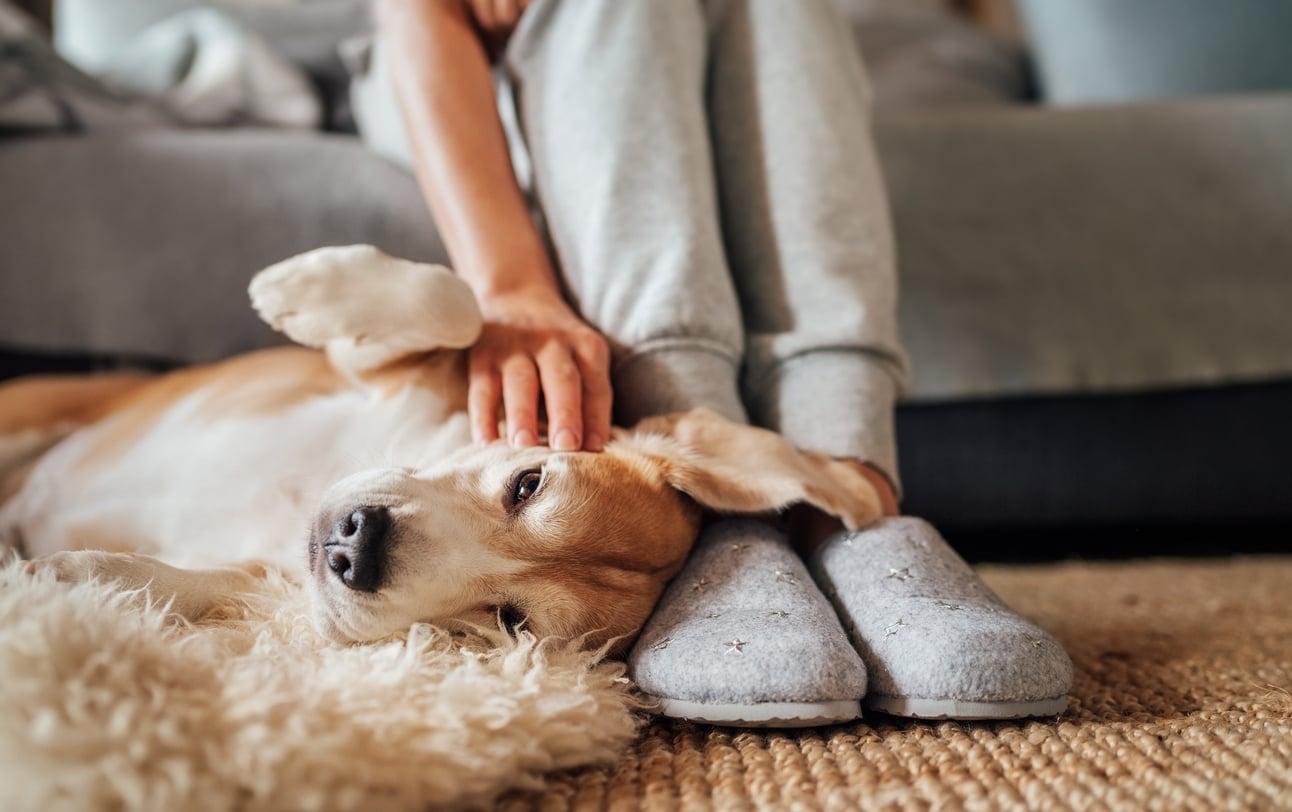
You've nearly stepped on them in the hallway. You've shuffled awkwardly around them in the kitchen. You've been trapped on the couch because they've decided your legs are the perfect pillow. Sound familiar? Here's the thing: your dog isn't doing this by accident. There's a very specific reason they always end up exactly where you're about to walk. Spoiler: it's because they adore you. And science has a lot to say about it.
Researchers have studied dog behavior for decades, and one of the most consistent findings is that dogs don't choose their resting spots randomly. They deliberately settle in places where they can be as close to you as possible — and where they'll immediately notice if you move. This isn't stubbornness, and it certainly isn't cluelessness. Your dog knows exactly where you are. They're lying in your way because that's where you are.
For a dog, their pack — which in your home means you and your family — is everything. Nothing matters more than being close to the people they love. Once you understand that, you'll never look at that fluffy little obstacle in the hallway quite the same way again.
What the science actually says
Studies exploring the bond between dogs and humans have shown that dogs form attachment patterns remarkably similar to those seen in people. John Bowlby's attachment theory — originally developed to describe the bond between infants and their caregivers — has since been successfully applied to dog behavior as well.
To your dog, you are their safe base. You're the fixed point from which the world feels explorable, and the place they return to when something feels scary. That's why they follow you into the bathroom, sleep in front of the door, and always choose the spot where they're most likely to see your face.
A 2018 study from the University of Vienna found that dogs produce oxytocin — the same bonding hormone humans release when they feel close to someone they love — when they're in the presence of their owner. So when your dog is lying at your feet and lets out one of those long, contented sighs, they're not just relaxed. On a chemical level, they are literally experiencing love.
Why they always pick the most inconvenient spot
The kitchen, the hallway, the narrow strip in front of the couch — these aren't random choices. These are the high-traffic zones of your home, the places where you appear most often throughout the day. Your dog has quietly mapped your movements and learned exactly where you're most likely to show up next.
Settling there is a strategy — not a conscious one, but a deeply effective one. If they're where you are, they won't miss a thing. They won't miss you leaving. They won't miss something exciting happening. And they definitely won't miss that absentminded scratch behind the ears you give them as you walk past.
There's also a simpler, cozier explanation: you're warm. A cold tile floor is no competition for the radiant heat of the person they love most. So what looks like an inconvenient habit is actually a combination of emotional closeness, instinctive security-seeking, and pure physical comfort. Honestly, can you blame them?
It's a sign of a happy, secure dog
If your dog is always underfoot, that's one of the greatest compliments they can give you. It means you are their entire world. It means that wherever you are, that's home.
Research also confirms that dogs who closely follow their owners and prefer to rest nearby tend to be securely attached, emotionally balanced animals. So this behavior isn't just endearing — it's actually a marker of a healthy, happy dog who feels safe and loved.
So the next time you nearly trip over them on your way to make coffee, take a breath before you sigh in frustration. What they're really trying to tell you — in the only language they have — is "I'm not going anywhere without you."