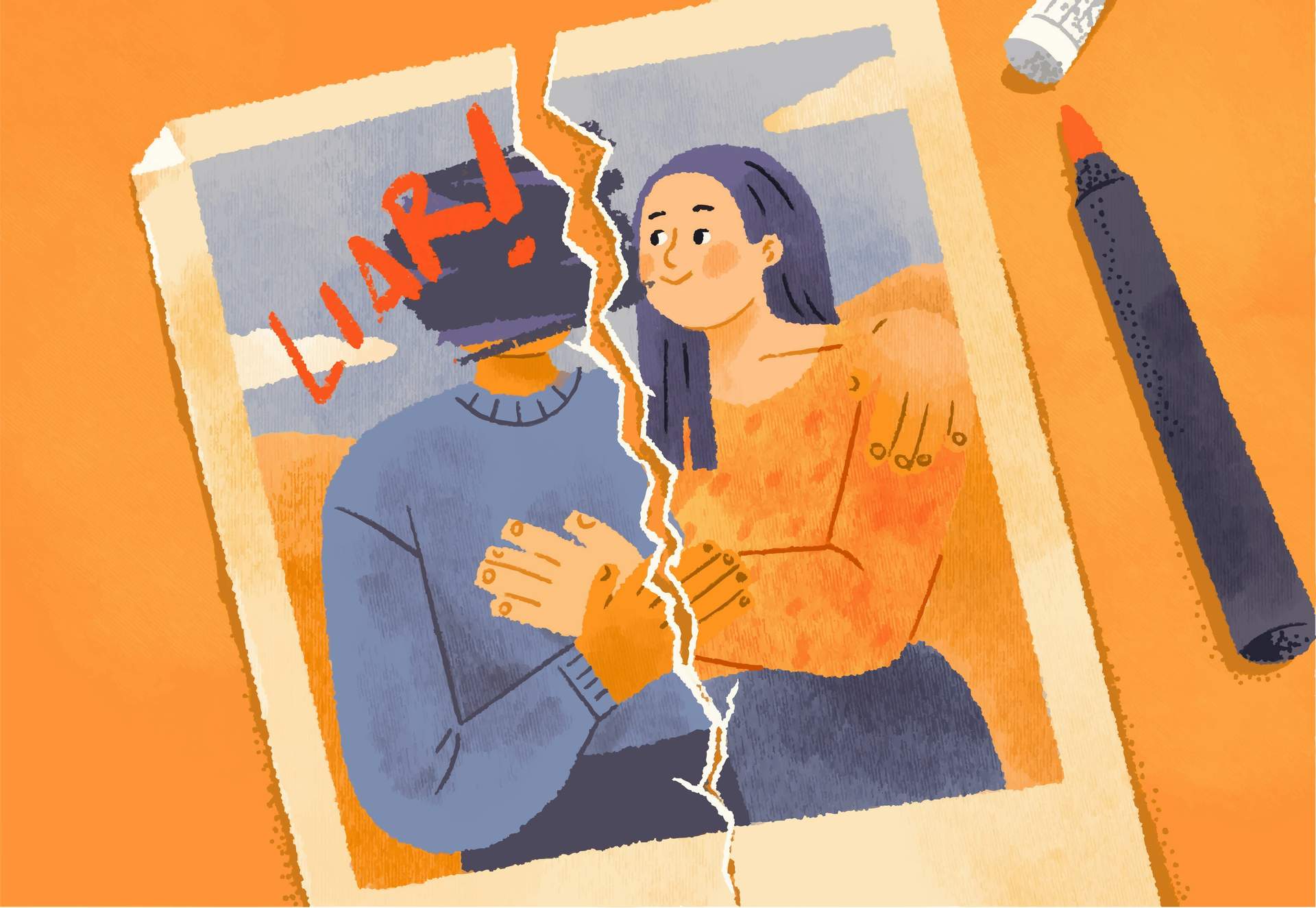
She runs her own schedule, handles her own finances, and doesn't need anyone to open doors for her — literally or figuratively. And yet, in quiet moments, something stirs. A longing for someone to just take over for a while. To feel protected. To be chosen. Sound familiar?
Psychologists call it the Cinderella Syndrome — and it's far more widespread among modern women than most would care to admit.
What is the Cinderella Syndrome?
The Cinderella Syndrome describes a psychological state in which a woman — no matter how capable, successful, or self-sufficient — carries a quiet, often unconscious desire to be saved by someone else. Not because she can't manage on her own, but because somewhere beneath the surface, there's a deep need for protection, care, and emotional security.
This isn't about weakness. It's about a very human longing — the desire to feel held, seen, and safe in a world that often demands you hold everything together yourself.
It doesn't mean she wants to give up her independence. It means she's human.
Where does this feeling come from?
The roots run deep — and they start early. For generations, girls were raised on stories where happiness arrived in the form of a prince. Cinderella, Sleeping Beauty, Snow White — the message was consistent: wait, and someone will come to save you.
Even as feminism reshaped the cultural conversation, romantic films continued to sell the same fantasy in a more polished package. The meet-cute. The grand gesture. The man who shows up at exactly the right moment. These narratives don't just entertain — they quietly shape expectations, desires, and what we come to believe love should feel like.
Childhood conditioning and cultural messaging leave lasting imprints on the psyche — even in women who intellectually reject the princess narrative entirely.
The tension between independence and longing
Here's where it gets complicated. Many of the women who experience this syndrome are also among the most driven, high-achieving people in the room. They're managing careers, households, relationships, and their own mental health — often all at once.
And that pressure? It's exhausting. When the weight of constant self-reliance becomes too heavy, the desire for someone to just take some of it off your hands can feel overwhelming. This creates a real internal conflict: the part of you that fiercely guards your independence, and the part that quietly dreams of being able to let go.
Neither side is wrong. The tension between them is one of the most honest things about being a modern woman.
How to make peace with it
The first step is simply recognizing the feeling — without shame. Wanting to feel protected or cared for doesn't contradict being strong. These things can, and do, coexist.
Building self-awareness and emotional intelligence is key. When you understand why you feel a certain pull — whether it's rooted in childhood experiences, stress, or a genuine need for closeness — you can respond to it with clarity rather than confusion. You can ask for what you need without feeling like you've failed some standard of modern womanhood.
Therapy, journaling, and honest conversations with people you trust can all help untangle these feelings. The goal isn't to eliminate the longing — it's to understand it.
Rethinking what a healthy relationship actually looks like
The antidote to the Cinderella Syndrome isn't to suppress the desire for connection — it's to reframe what that connection looks like. Healthy relationships aren't built on rescue. They're built on mutual respect, genuine support, and the freedom to remain fully yourself.
The right partner doesn't save you from your life. They stand beside you in it — cheering you on, showing up when things get hard, and letting you do the same for them. That's not a fairytale. That's something real, and it's worth far more than any glass slipper.
The Cinderella Syndrome is real, and it creates genuine conflict for many women. But it doesn't make you less strong, less modern, or less capable. It makes you someone who wants to feel loved and safe — and there is nothing wrong with that at all.