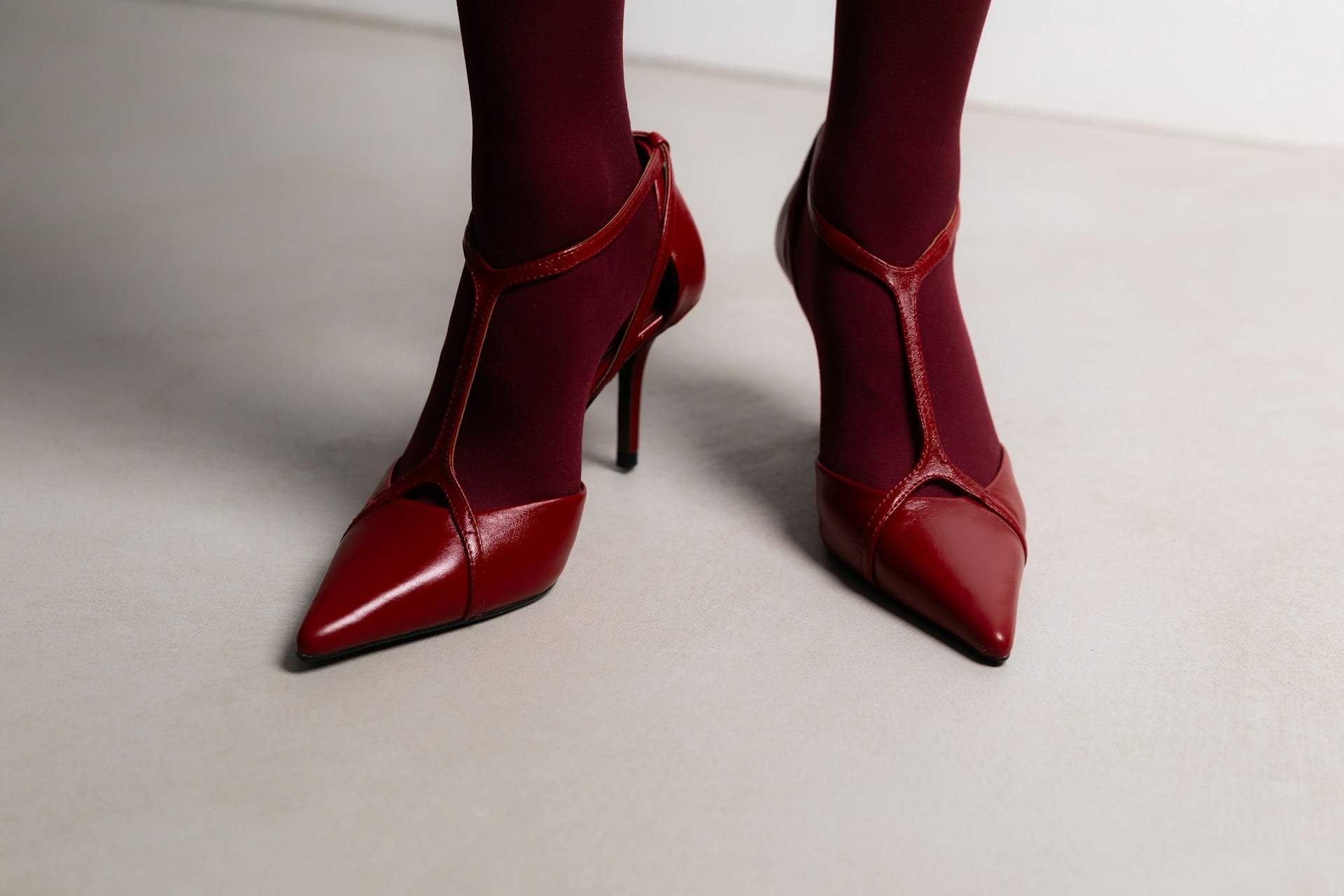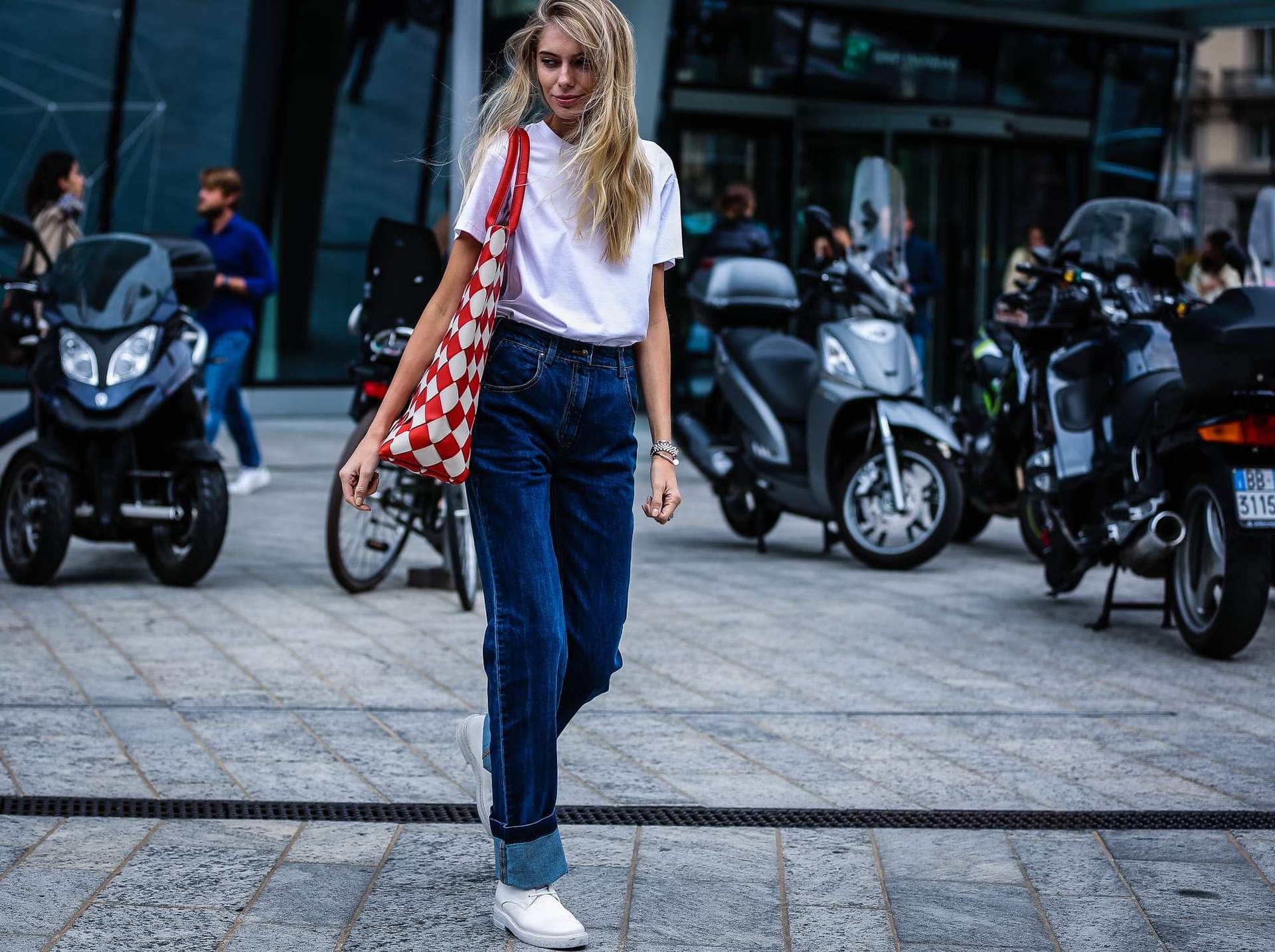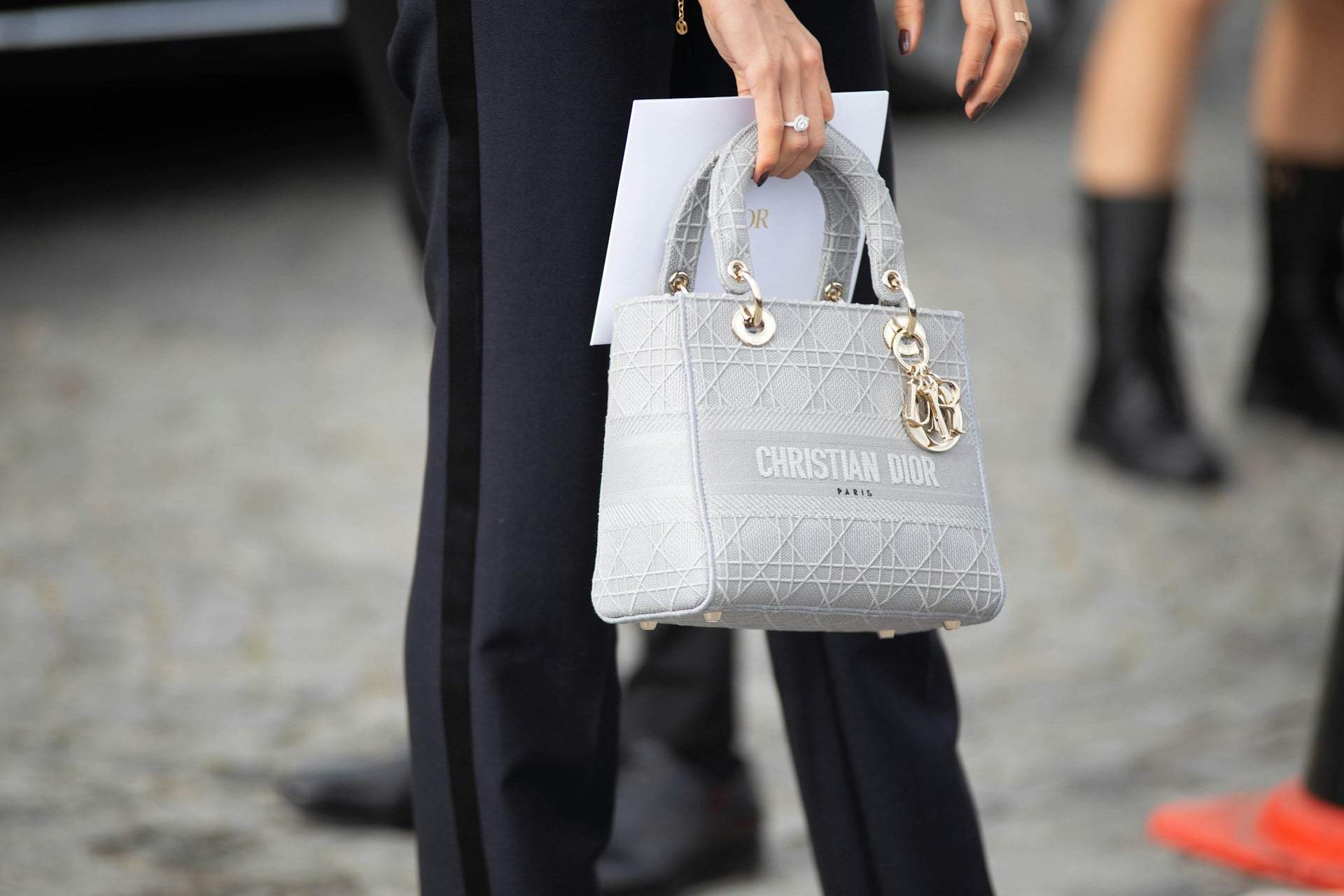
There’s a word that has quietly but relentlessly entered our everyday vocabulary in recent years: dupe. Today, dupe is more than just a trendy term; it’s a whole mindset that’s reshaped how we think about shopping. Why pay $230–290 for an iconic perfume when there’s a $30–60 version that’s “almost the same”? Why buy a luxury bag when you can find a strikingly similar one at a fast fashion store? The question is valid. The answer, however, is far from simple.
The New Aesthetic of Saving
One of the most fascinating aspects of dupe culture is that it has shed the shame. In the past, people kept buying knockoffs under wraps. Today? They proudly share them online.
“I don’t pay for the logo.” “I shop smart.”
This isn’t just a financial choice. It’s an identity. The identity of the conscious consumer. Social media, especially short-video platforms, have accelerated this shift. Daily, countless comparison videos and tests flood our feeds. Luxury is no longer a mysterious, unreachable world. The curtain has been pulled back, revealing that sometimes we’re really just paying for the brand name.

But Is It Really the Same?
A dupe can look remarkably similar, and the scent might remind you of the original at first spritz. The cut, color, or overall vibe might capture some of what the pricier version offers. But the real test is in the details—the quality of materials, craftsmanship, durability, and ultimately the experience the product delivers over time.
Premium brands—whether in fashion, cosmetics, or home decor—often build on decades of research, innovation, and artisanal tradition. So the price often covers more than marketing; it includes quality materials and expert craftsmanship. Of course, not every expensive product is worth its price, and not every affordable alternative is a poor copy. Still, one of dupe culture’s biggest illusions is the “same thing, just cheaper” story. Reality often means a similar feel, with sometimes invisible but real compromises.
The Limits of Copying
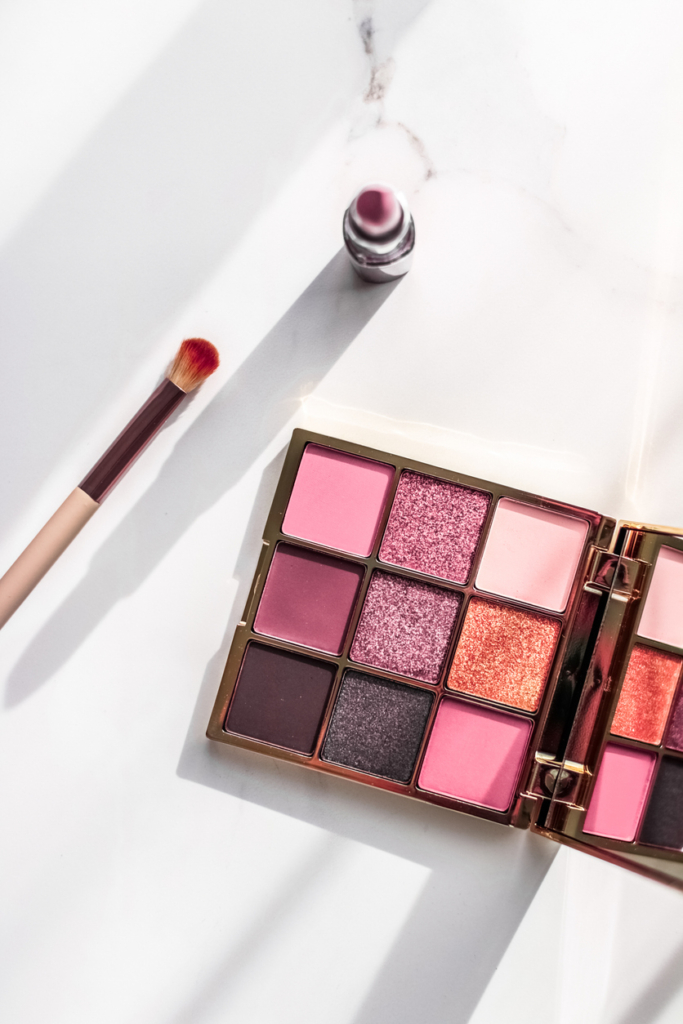
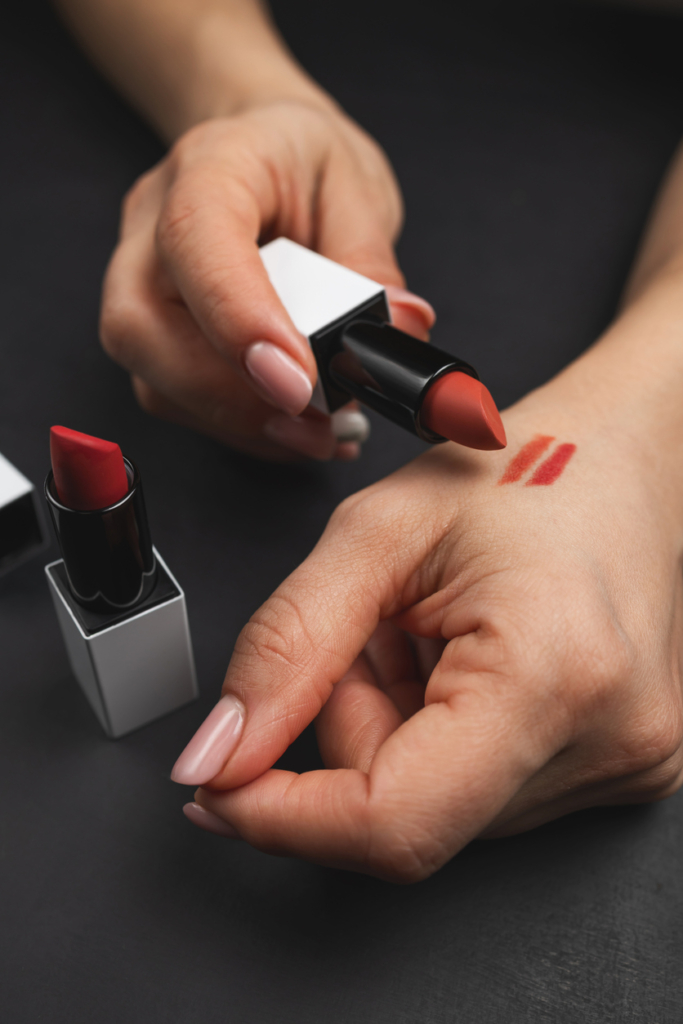
There’s another side we rarely discuss: creativity. Where’s the line between inspiration and imitation? When does a trend-following product cross into intellectual property infringement? If a design can be copied and mass-produced instantly, how does that affect innovation long-term? What motivates designers, perfumers, and creators to craft something truly new if a dupe is just weeks away? Consumers win short-term—more access, lower prices. But the bigger picture is far more complex.
Generational Shift—and Reality
We can’t ignore the economic context. Today’s young adults navigate a very different financial landscape than their parents.
High housing costs, uncertain futures, inflation. In this reality, dupe culture isn’t just a trend—it’s a strategy.
The era of “luxury at all costs” has given way to conscious shopping. The question is no longer whether we can afford something, but whether it’s worth it.

The Hybrid Approach
Maybe we don’t have to choose extremes. We don’t have to pick between “only luxury” and “only dupes”. More people are building a thoughtful mix: a few truly timeless, quality investment pieces paired with smart, value-driven alternatives. Not everything needs to be the most expensive, and not everything is worth buying at the cheapest price. The key is awareness.
Knowing when quality matters long-term—and when “this will do” is enough.

So, Revolution or Downhill?
Dupe culture isn’t the automatic death of quality. It’s more like a mirror. It shows us how overpriced some markets were, how much they relied on desire creation, and how little consumers questioned it. But it’s also a warning: if everything shifts toward the cheapest option, creativity and true value may suffer in the long run. The real question isn’t dupe or not dupe, but how we decide. Do we choose consciously? Based on value? Or just by the price tag? Dupe culture is here to stay. The question is how we use it: as a tool for mindful shopping or an excuse to blur the line between value and illusion.