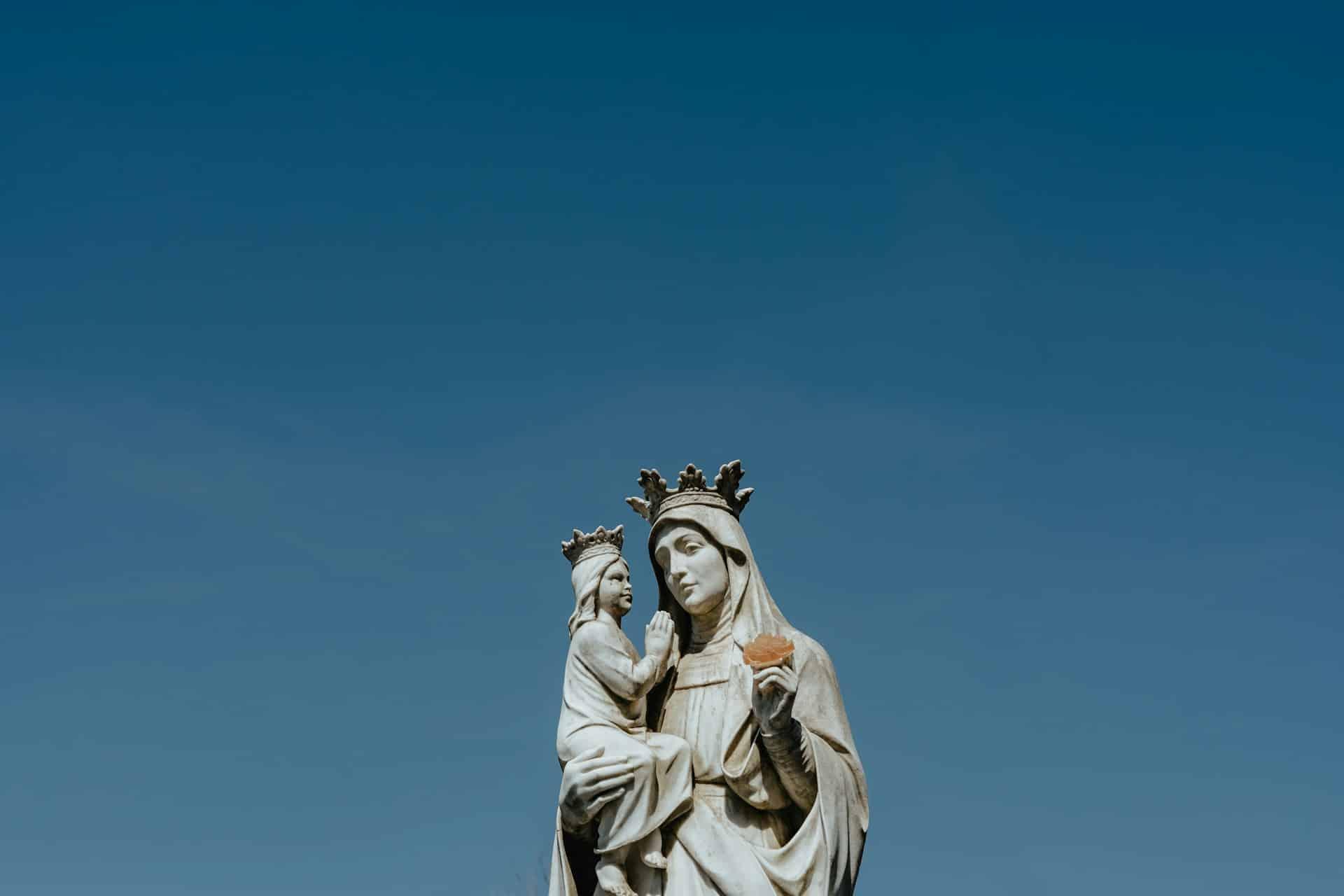
The Gospel of Luke is one of the four gospels in the New Testament, playing a key role for centuries in spreading and interpreting the Christian faith. Recently, a surprising theory emerged: Dr. Adam Bradford, a writer and amateur archaeologist, claims that Jesus’ mother, Mary, might have actually written this gospel—making the Bible potentially the first book with a female author. These claims could deeply shake what we know about the Gospel and our faith.
Who Could Have Written the Gospels?
The question of who wrote the gospels has always sparked debate among theologians. Tradition holds that the named apostles or their close disciples authored them. Yet, the timing, style, and content often raise contradictions, allowing for different interpretations. The original authorship of gospel texts remains a vital research topic in both religious history and philology.
For example, the Gospel of Luke uniquely offers a detailed account of Jesus’ birth and childhood, suggesting someone close to the events—like Mary—may have contributed firsthand to the storytelling.
The Arguments Behind the Theory
Dr. Bradford’s theory suggests these writings originally began not as independent gospels but as legal defenses to protect Mary. The idea is that Mary had a strong motive to document her son’s life story in detail, aiming to explain the unusual circumstances of Jesus’ birth and their family’s situation.
Bradford’s analysis highlights that the details and style in Luke’s gospel carry a depth and personal touch only a direct witness could provide. He also points out that Mary’s role in the gospel reflects a female perspective rarely seen with such detail in traditionally male-authored works.
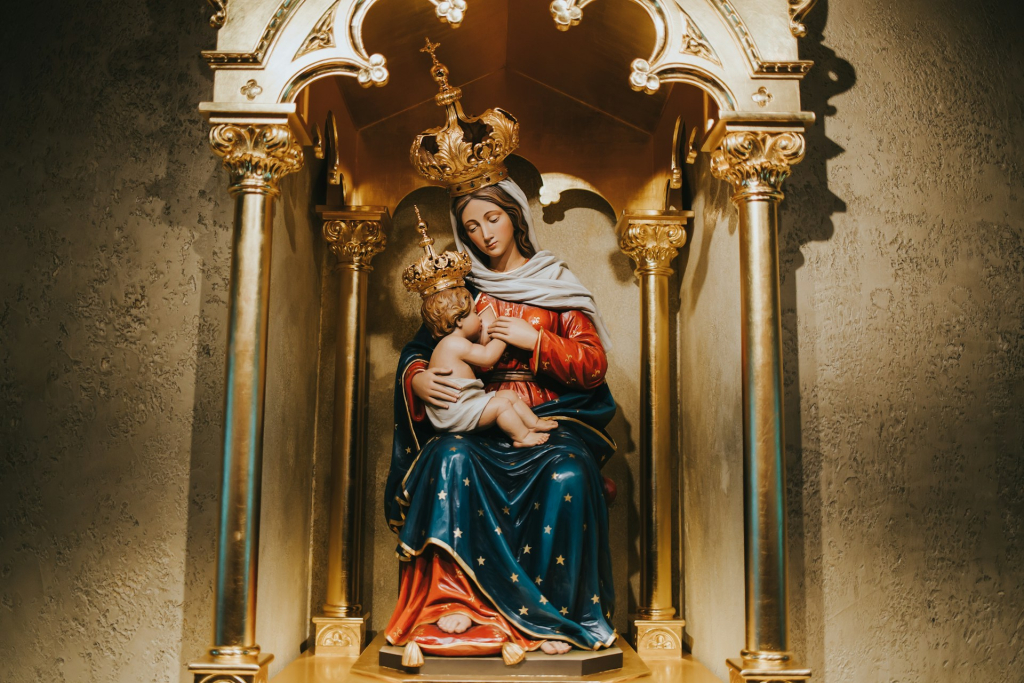
Historical Criticism and the Question of Faith
Historical criticism is essential when analyzing religious texts to assess their authenticity. Over time, countless new approaches and theories have emerged about the origins, authors, and purposes of biblical writings. Dr. Bradford’s theory is especially exciting because it challenges traditional views and redefines the importance of female figures in biblical storytelling.
However, critics often reject such radical ideas, noting that these texts were created and spread through complex, multi-stage processes involving many authors and editors. Moreover, the gospels were canonized for centuries by predominantly male theologians, making it harder to accept and recognize female authorship.
Mary as a Historical Figure
Mary, as Jesus’ mother, is one of the most prominent female figures in Christian tradition. Her role as a symbol of maternal love, obedience, and sacrifice is influential across many cultures. Yet, the gospels mostly assign her a secondary role, focusing on her son, Jesus.
The idea of Mary as a possible author opens exciting doors to rethinking Christian tradition and women’s roles. If she truly authored the gospel, it would transform how biblical texts are interpreted and how female experiences are valued in theological discussions.
Such fresh perspectives are important for modern religious conversations, as today’s societies increasingly embrace gender equality and fair recognition of diverse viewpoints. Reevaluating Mary’s role in gospel authorship can deepen our understanding of biblical events and highlight the significance of women in Christianity’s history.
Placing religious texts in new historical contexts not only energizes academic research but also enriches the personal and community lives of believers.