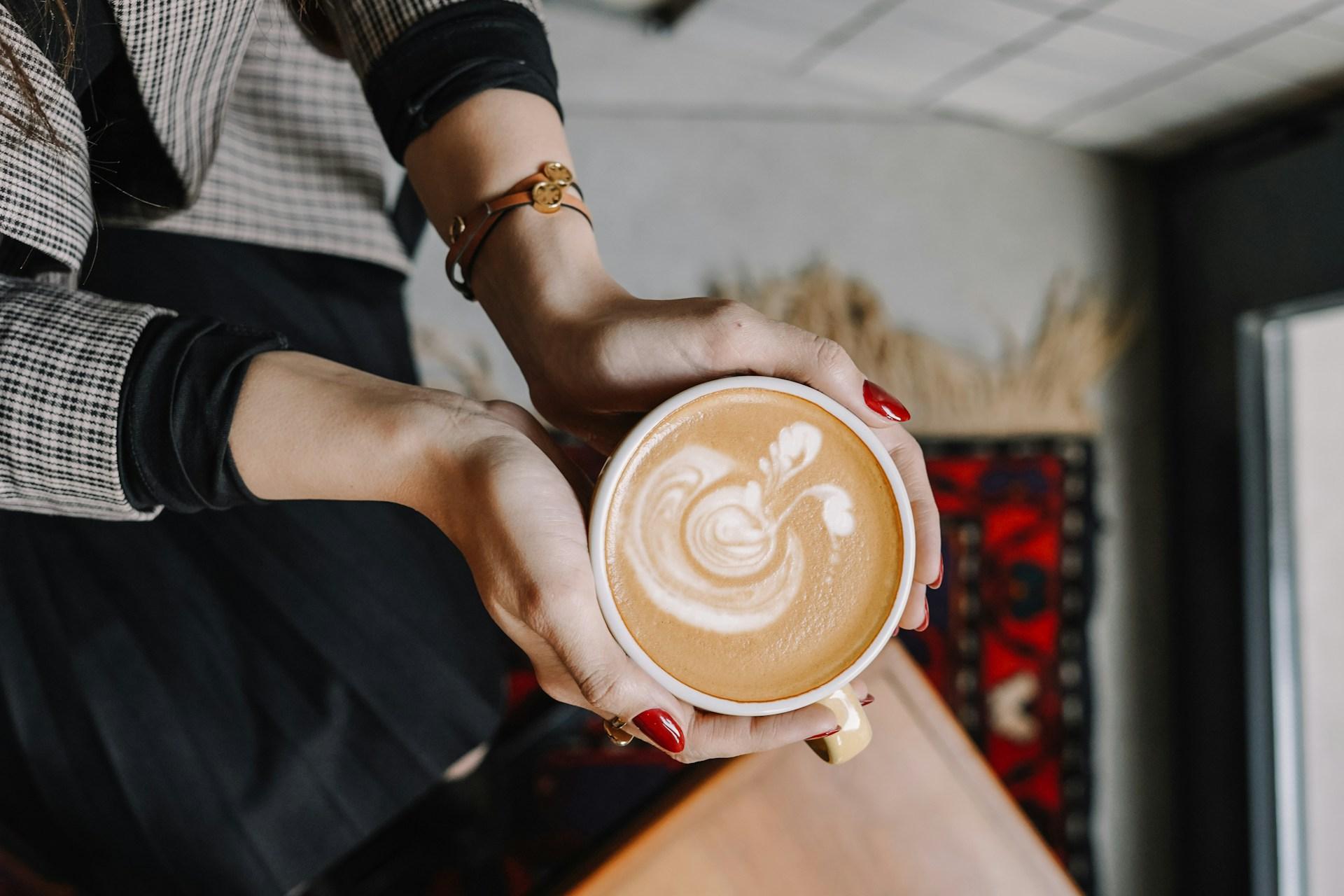
With prices soaring lately, more and more people are becoming home baristas — after all, a daily coffee can easily cost $6–9. But it’s not just about saving money: that morning (or afternoon) coffee is a sacred moment that relaxes, recharges, or simply feels good.
Those who have mastered homemade latte-making know it’s a mini ritual — grinding the beans, pulling the espresso, frothing the milk can be as soothing as knitting or painting for others. Social media has fueled this trend, with everyone sharing their own syrups, bottles, fancy glasses, and creative drinks. But if you’ve invested in a pricier machine and still sip your brew with disappointment, you’re not alone. Many feel something’s "off" and end up back at the café. Don’t worry — the issue is rarely you, just a few small tweaks away from success.
Here are 6 common reasons your homemade latte doesn’t taste like your favorite café’s — and how to fix them.
1. Your espresso isn’t dialed in
The foundation of a perfect latte is always a great espresso. If it tastes too sour or bitter, your espresso settings are probably off. Pros constantly adjust grind size, coffee dose, water ratio, and brew time to find the perfect balance.
Tip: jot down your espresso settings and experiment with small tweaks — you’ll discover the ratios that suit your taste best.
2. The grind size isn’t right
One of the most common mistakes is grinding too coarse or too fine. If the grounds are too large, the coffee will be watery and sour; too fine, and it can taste bitter or clog your machine. A conical grinder gives the best, consistent grind and precise control. A good rule: a 36-gram espresso pulled from 18 grams of grounds should take about 25–30 seconds.
3. Your tamping isn’t right
Tamping is pressing the coffee down before brewing. If you tamp too loosely or unevenly, water flows unevenly, resulting in a bitter, weak, or sour shot. Ideally, apply about 13–15 kg of pressure (like pressing down a small bag on a table), then finish with a slight twist to seal the surface. For more consistency, use a calibrated tamper.
4. Temperature or pressure isn’t right
Brewing coffee is a delicate chemistry: if your machine isn’t hot enough or the pressure is too low, the espresso’s flavor changes completely. The ideal temperature is 90–96 °C (194–205 °F), and pressure about 9 bar. Let your machine fully heat up before brewing, and if it has a pressure gauge, check it’s close to 9 bar.
5. Your coffee beans aren’t fresh enough
This is one of the most important factors. Pre-ground coffee sitting on shelves for months will never taste like freshly roasted whole beans. Espresso is especially sensitive: old or low-quality beans can taste sour, bitter, or flat — and milk can’t hide that. Choose medium or medium-dark roasted, freshly roasted whole beans, and grind only what you need. Store beans in an airtight container in a cool, dark place.
6. Your machine is dirty or your water quality is poor
Even the best coffee suffers if your machine isn’t clean or your water quality is low. Coffee oils and milk residues quickly turn rancid, and steam wands can clog without regular cleaning. Rinse the filter after each use, wipe the steam wand, and clean the portafilter daily. Once a week, backflush your machine with a cleaner. Water matters too: since coffee is 90% water, tap water with chlorine or metallic tastes will affect your cup. Use filtered or bottled water for a cleaner, smoother flavor.
+1 thought: patience is part of the ritual
Remember: baristas spend years learning what works, and every machine is a little different. Your homemade latte isn’t perfect because it’s exactly like the café’s — it’s perfect if you enjoy the taste and the joy of making it.