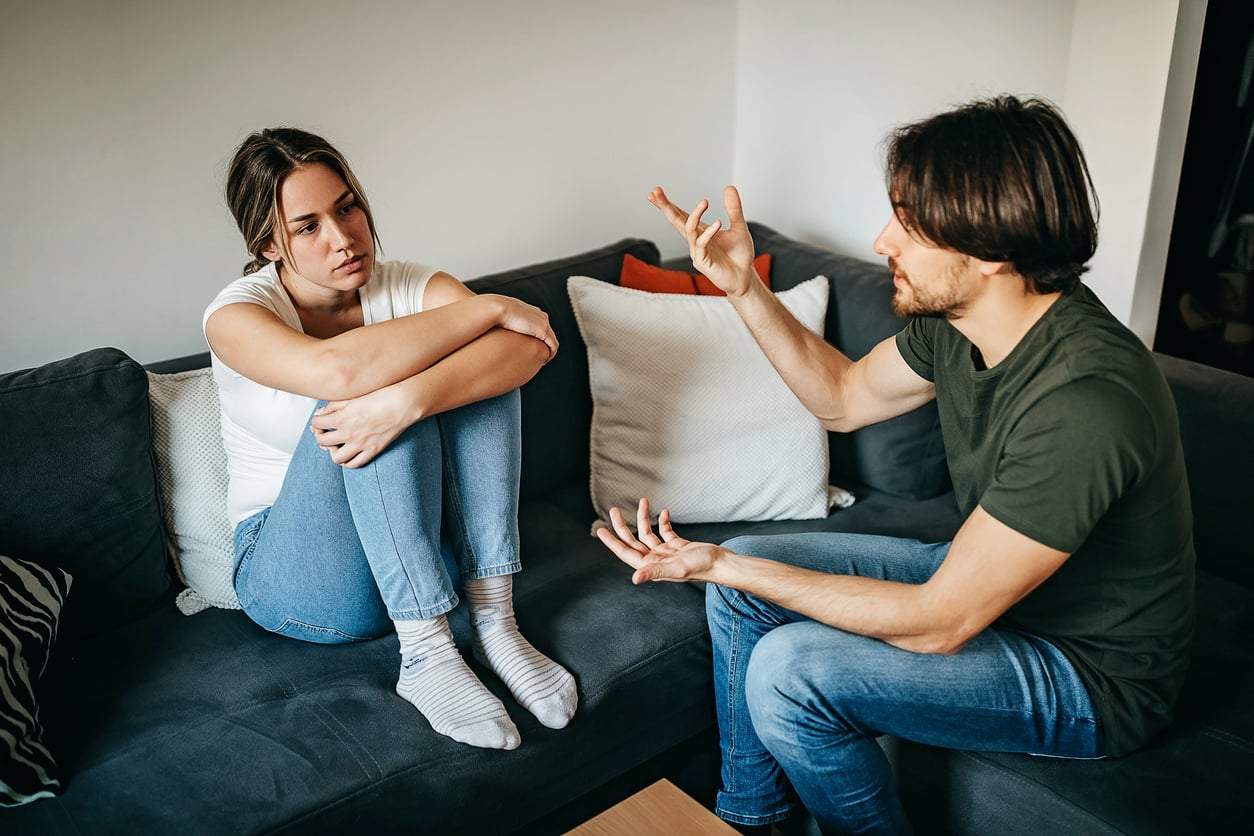
It doesn't look like a fight. There's no shouting, no slammed doors. One person simply goes quiet — completely, coldly quiet — and suddenly the argument feels impossible to resolve. This is called stonewalling, and relationship experts consider it one of the most damaging things that can happen between two people.
What stonewalling actually means
Stonewalling happens when one partner — more often men, though not exclusively — shuts down entirely during a conflict. It goes beyond refusing to talk. It's a full emotional withdrawal: no eye contact, no response, no engagement. The other person is left speaking into a wall.
What makes it so destructive is that it often happens unconsciously. Stonewalling can be triggered by stress, anxiety, or a deep fear of conflict — not by indifference or cruelty.
The person who shuts down often believes they're preventing the argument from escalating. In reality, they're doing the opposite. By closing off, they deny their partner the space to be heard — and that silence can hurt far more than any harsh word.
Why do so many men default to this response?
The roots of stonewalling are often found in childhood. Men who grew up watching male figures suppress their emotions — never showing vulnerability, never talking things through — tend to absorb that as the blueprint for how conflict should be handled.
Social conditioning plays a role too. The pressure on men to appear strong, composed, and emotionally detached is still very real. Toxic masculinity norms can quietly teach men that showing emotion is weakness — so when a difficult conversation arises, shutting down feels like the "safe" option.
It's a coping mechanism. An uncomfortable one, but a familiar one.
The long-term damage it causes
A single instance of stonewalling is painful. A pattern of it can quietly hollow out a relationship from the inside.
The partner on the receiving end often has no idea how to reach the person who has shut down — and over time, they may stop trying altogether.
When emotional support and open communication disappear, distance grows. The person who can't express themselves begins to feel lonely, frustrated, and invisible — even while sharing a home and a life with someone. That loneliness breeds resentment, and resentment breeds more conflict.
Repeated stonewalling erodes the intimacy and emotional closeness that hold relationships together. Left unaddressed, it can become the slow, quiet end of a partnership that both people once deeply valued.
How to break through the wall
The good news: stonewalling is a learned behavior, which means it can be unlearned. But it takes honest effort from both sides.
The first step is recognition. The person who stonewalls needs to acknowledge that their withdrawal — however instinctive — is causing real harm. That awareness alone can be a turning point.
From there, the work involves gradually learning to stay present during difficult conversations. That doesn't mean having all the answers. It means saying, "I'm struggling with this, but I'm not going anywhere." For the other partner, creating a calm, non-threatening space makes it far easier for someone to open up rather than retreat.
If the pattern feels deeply entrenched, working with a couples therapist or counsellor can make a significant difference. A professional can help both partners understand what's driving the stonewalling and develop real tools to communicate through conflict — rather than around it.
Empathy is the way through
Stonewalling doesn't have to be a relationship's final chapter. What breaks it down isn't pressure or ultimatums — it's genuine emotional honesty and the willingness to be vulnerable with someone you love.
When both partners commit to staying in the conversation — even when it's hard, even when it's uncomfortable — the wall doesn't stand a chance. Love and trust grow in the space where two people choose to keep showing up for each other.