Self-improvement was supposed to set us free. Instead, for a growing number of people, it has quietly become one more source of pressure — a relentless to-do list dressed up as personal growth. More books, more morning routines, more productivity hacks. And yet, somehow, never quite enough.
The self-development industry has done real good over the years. It has helped people build confidence, break bad habits, and pursue goals they once thought were out of reach. But somewhere along the way, the pursuit of a better self started crowding out the experience of actually living.
When optimization becomes its own trap
There is nothing wrong with wanting to grow. The problem starts when growth stops feeling like a choice and begins to feel like an obligation. When every evening walk needs a podcast, every weekend needs a goal, and every quiet moment feels like wasted potential.
At that point, self-improvement is no longer serving you — you are serving it. The things that once made life feel rich and worthwhile — long dinners with friends, doing nothing on a Sunday afternoon, enjoying something without optimizing it — start to seem almost indulgent. Almost irresponsible.
That shift is worth paying attention to.
Signs that self-development is doing more harm than good
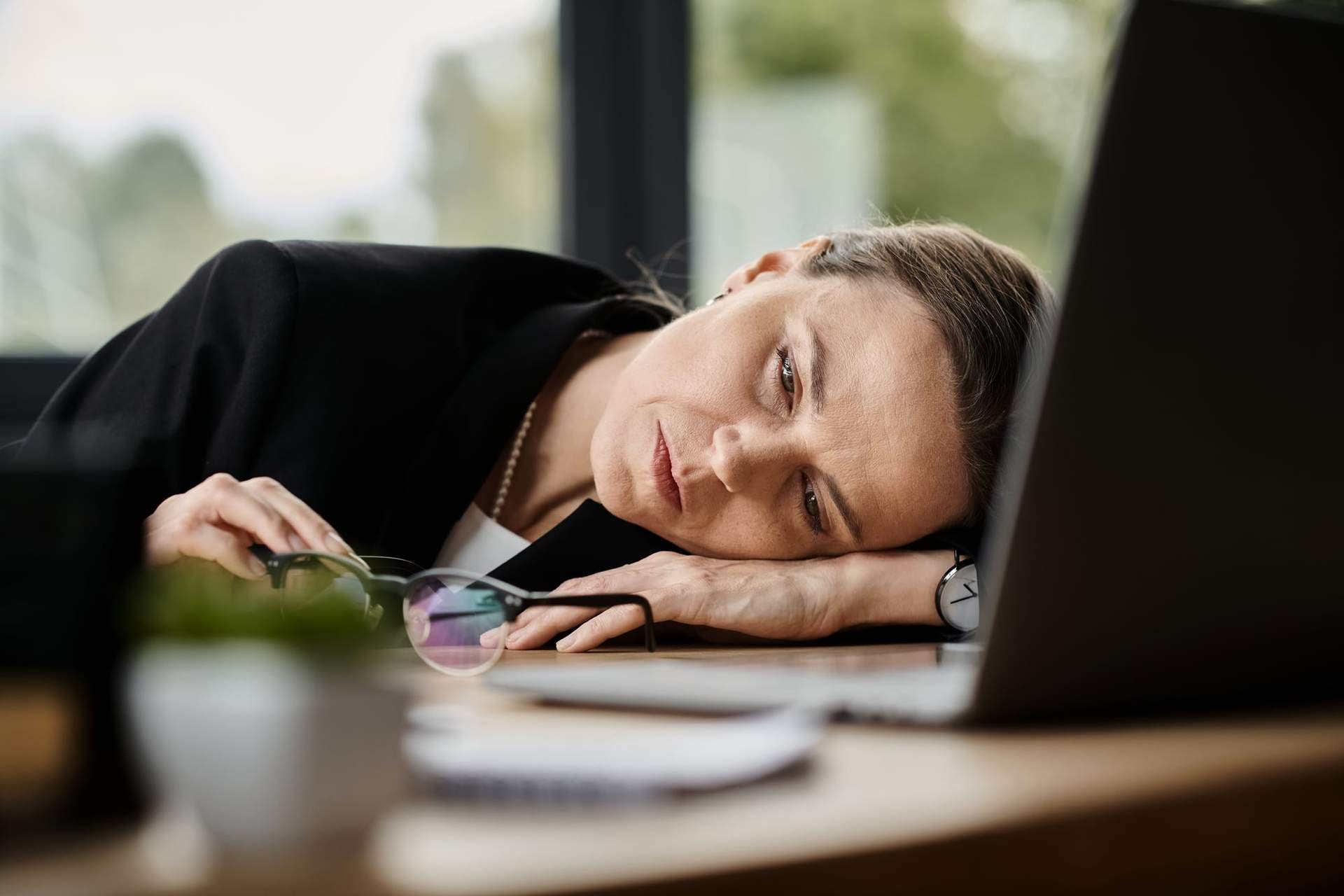
One of the earliest warning signs is persistent exhaustion that rest doesn't seem to fix. When you are tired not just physically but mentally — tired of tracking, planning, reflecting, and striving — that is your mind asking for a different kind of break.
If you can no longer keep up with the pace you set for yourself, that is not a failure of discipline. It is a signal that the pace was never sustainable to begin with.
Other signs include an inability to enjoy your own achievements — finishing something and immediately moving on without feeling any satisfaction — and a harsh inner critic that seems to grow louder the harder you try. If the goalpost keeps moving no matter how much progress you make, the problem is not your effort. It is the framework.
Knowing when to slow down
Finding a sustainable rhythm is not about giving up on growth. It is about being honest with yourself about what growth actually looks like for you — not for the productivity influencer you follow, not for the version of yourself you think you should be by now.
If self-improvement has started to block your happiness rather than support it, that is a meaningful signal. Sometimes the most important thing you can do is give yourself permission to rest — and to genuinely reconsider what matters most right now, in this season of your life, not in some future optimized version of it.
Rest is not wasted time — it is part of the work
Many people carry a quiet guilt around rest, as though pausing is a form of falling behind. But rest is not the opposite of progress. It is what makes progress possible. Emotional and mental recovery are not soft extras — they are the foundation everything else is built on.
When you allow yourself to recharge without an agenda, you often return to your goals with more clarity, more creativity, and more genuine motivation than any structured routine could produce.
A life built entirely around optimization is, in the end, not a life fully lived. Real balance means making room not just for ambition, but for contentment — for the parts of life that don't need improving, only experiencing. That is not a compromise. That is the point.