Most of us treat our days like a survival exercise — racing from the morning coffee to the evening collapse, ticking off tasks and feeling vaguely guilty whenever we dare to pause. Sound familiar?
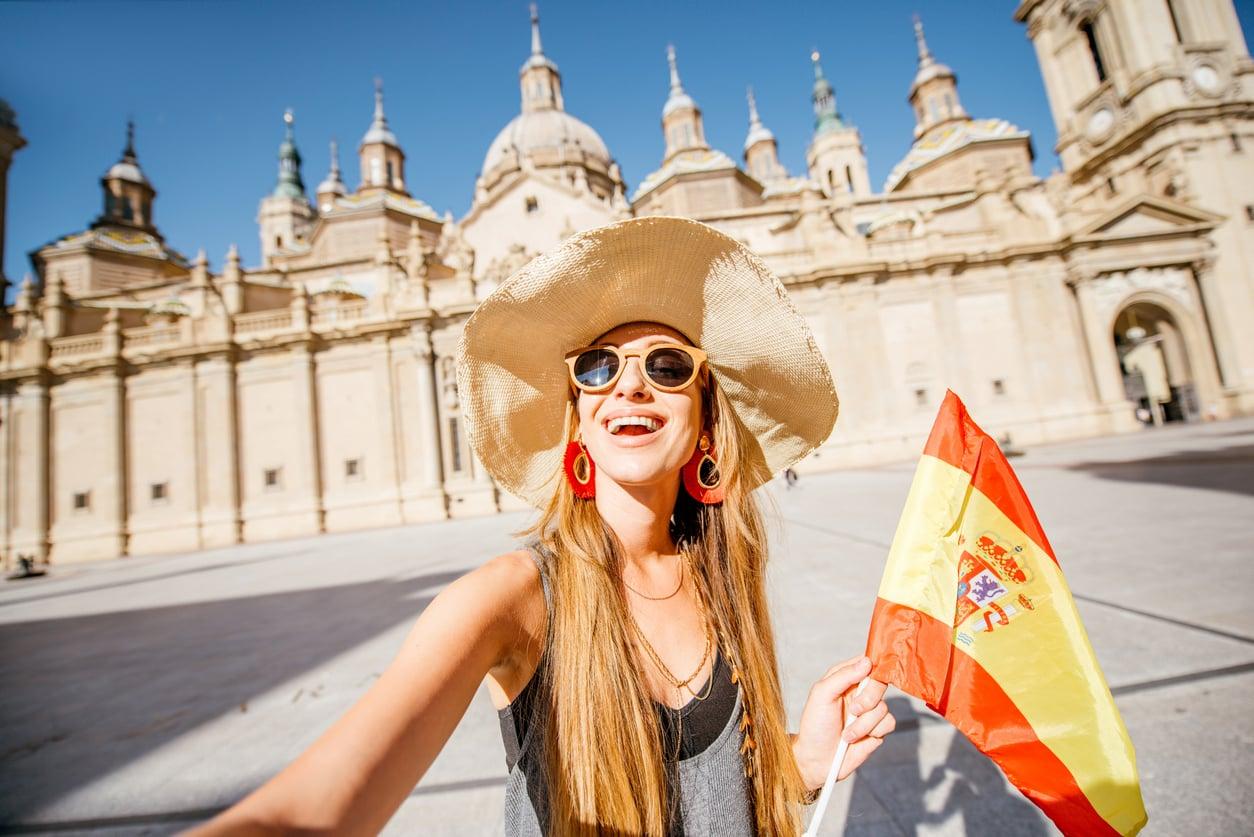
On a trip to Spain just before the peak tourist season, when the beaches still belonged to the locals, I stumbled onto something I hadn't expected: a completely different relationship with time, rest, and joy. The Spanish call it disfrutar — the art of genuinely enjoying life. And once you see it up close, it's hard to go back to the way you lived before.
Lesson 1: Mañana — not everything needs to happen right now
I'd visited a few Spanish islands before and briefly passed through the south, but this time I experienced the country's traditional rhythm in a way that really got under my skin. The sun rises late and sets even later, and the locals have adapted to this with an almost effortless flexibility.
In Spain, time doesn't feel like something to be managed. It feels like something to be inhabited.
My old habits kicked in on the first morning — I was down at the beach before seven, full of purpose. The only company I had was a handful of seagulls. A few days later I adjusted, heading out after eight instead. Still quiet. A couple of dog walkers, mostly expats, strolled along the shore. The Spanish were still asleep, or slowly sipping their first coffee behind closed shutters. They weren't running late — they simply knew the day was long enough for everything.
Lesson 2: Siesta — the radical act of stopping mid-day
What we might lazily dismiss as a morning lie-in is actually the opening movement of a carefully composed daily rhythm. As the morning heat thickens into afternoon, Spanish life shifts into another gear — one that feels almost transgressive to a northern European sensibility.
Watching shopkeepers roll down the shutters in the middle of the day without a trace of guilt was genuinely eye-opening. Restaurants don't open for dinner before half past seven or eight. Even well-known international supermarkets open a few minutes late without anyone treating it as a scandal. Staff unpack shelves while customers are already browsing — because that's simply when the workday begins, and no tourist's schedule is going to change that.
The siesta isn't laziness — it's a philosophy. It's a reminder that your job is one slice of life, not the whole thing. You are not your productivity. You are allowed to stop.
Lesson 3: Sobremesa — the healing power of lingering at the table
The Spanish have another beautiful word: sobremesa. It describes the time after a meal when nobody moves, nobody rushes to clear the plates, and the conversation simply continues — for an hour, sometimes two. Laughter, stories, unhurried thoughts shared over an empty table.
I'll be honest — I couldn't fully surrender to it in just one week. The explorer in me kept wanting to move, see more, do more. But even witnessing it from the outside had a quietly healing effect. There is something deeply reassuring about seeing people exist without urgency.
The moment that made me smile the most? A waiter asking us, at nine o'clock in the evening, in the most natural tone imaginable, whether we'd like an espresso with our dessert. Of course. Why rush?
Lesson 4: Paseo — movement that doesn't feel like exercise
Somewhere along the way, we turned physical activity into a chore — something to be scheduled, tracked, and suffered through. We've been sold the idea that staying active means gym sessions, calorie counts, and obsessing over a step-counter on your wrist. What I saw on the Spanish coast told a completely different story.
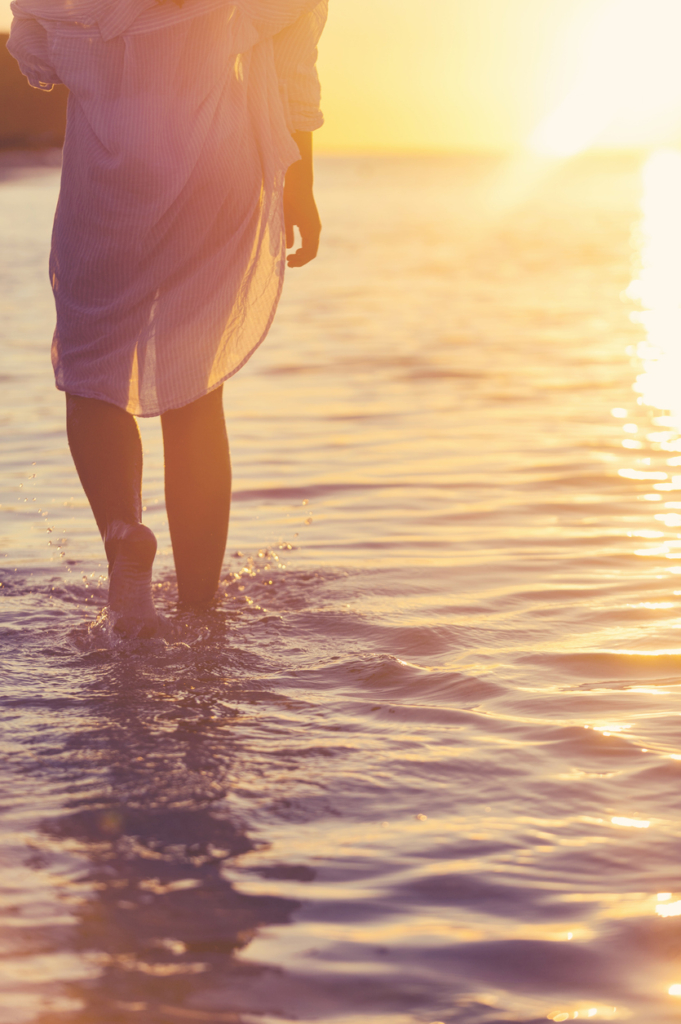
I noticed the same groups of people passing by me again and again along the beach. People of every age, every body type, every gender — walking ankle-deep in the cool water, covering kilometers without realizing it, laughing and talking with their closest friends about everything and nothing.
Movement here isn't an obligation. It's just the natural backdrop of a good day.
Walking on wet sand and wading through shallow water is surprisingly effective — it works the muscles gently, boosts circulation, and massages the soles of your feet. By the time these happily chatting walkers turn back, they've clocked eight to ten thousand steps without once glancing at a watch.
One big truth behind four simple lessons
On the flight home, I kept thinking about how to pack that watch-free, guilt-free lightness into my suitcase. The good news is: you don't need to fly to Spain to live a little more like this.
You don't need a Mediterranean coastline to linger at the dinner table after a meal. You don't need a Spanish summer to let yourself rest in the middle of the afternoon without apologizing for it. All four of these lessons — mañana, siesta, sobremesa, paseo — circle around the same quiet truth: life isn't something to be controlled. It's something to be lived.