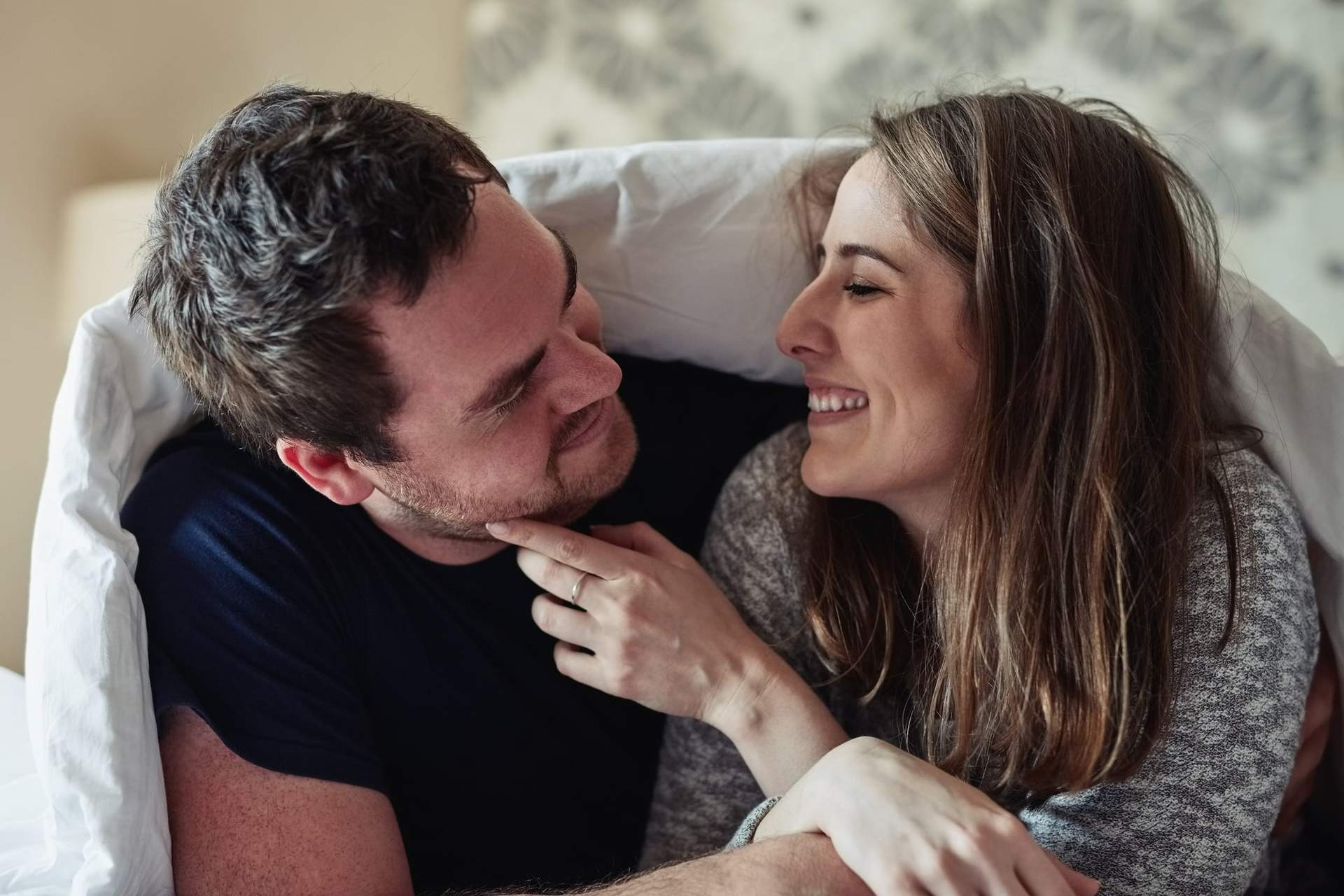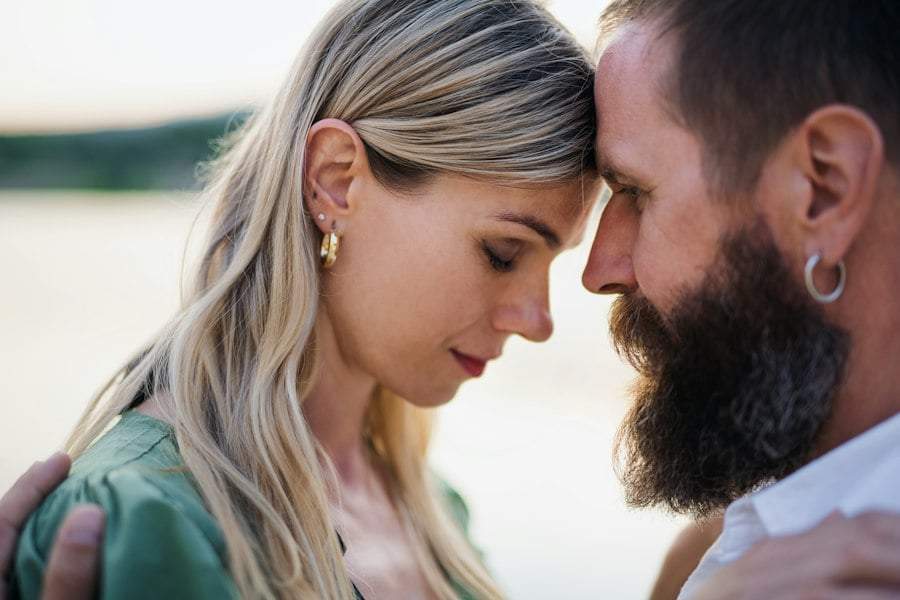
We've been married for eleven years. In the last six months, we've raised our voices at each other maybe three times. If I tell that to someone who doesn't know us well, they smile and say how lucky we are to live so peacefully together. Only I know this isn't peace. It's something else entirely.
When we still knew how to fight
We used to argue. Not gracefully, not constructively — the way two exhausted people fight when they still care enough about each other to spend energy on anger. There was one evening, before our younger daughter was born, when we stood facing each other in the kitchen and he was shouting that I never really hear what he says. I shouted back that I hear every word, I just don't agree, and that's a different thing. We slammed doors. I went out to the balcony and smoked a cigarette for the first time in years. He sat on the edge of the bed and cried. Two hours later we were on the couch together, laughing at how ridiculous we'd been.
That was our pattern. It was messy, but it was alive.
Now there's no shouting. We come home in the evening, he asks if I've eaten, I say yes, he nods and loads the dishwasher. We watch half an episode of something we're not really paying attention to — the TV stays on because the silence would be too heavy without it. We go to bed, say goodnight, and the next morning it all starts over. A month ago I noticed my husband had switched to a new razor because his face looked different, smoother, and I didn't mention it. I just thought: how long has it been since I actually looked at his face?
Two people sharing a space
My friend Sarah always says I overthink everything, and that if there's no drama, everything is fine. When I told her about all this over coffee, she thought at first that I was complaining our life had become too quiet. I tried to explain that wasn't it. That when we argued, we were at least fighting for each other.
Now it feels more like two roommates who get along well, but no longer expect anything surprising from one another.
What I've come to realize is that the loud words don't scare me the most — it's the moment when neither of us wants to say anything at all.
A few weeks ago I couldn't sleep and lay there watching him breathe beside me, his face completely calm. I thought about how strange it is to know someone this well — every habit, the sound of his cough, the way he snores sometimes — and yet feel like there's a part of me I've stopped letting him in to. And maybe he's done the same. I don't know when it started. Maybe when our older son hit his teenage years and all our energy went into holding him together. Maybe when my father got sick and we spent weeks managing hospital appointments — no time for anger, no time for love, only the next task on the list.
The question neither of us dares to ask
One evening I asked him, with no pressure behind it, just casually — whether he was happy with me. He looked at me, thought for a moment, and said of course, why wouldn't he be. I didn't push further, because I was afraid of what might come next if I did. Maybe he's just as afraid to ask me something.
The other day I found an old photo of us sitting in a car just after our wedding — him in the passenger seat, me at the wheel, both of us laughing at something I've long since forgotten. Our faces had this mix of tension and excitement, like we were about to do something thrilling and a little dangerous. Now we are safe. I just don't know whether safe and truly alive are the same thing.
I don't know what to do with any of this. I don't want to manufacture a fight just to prove to myself that there's still fire between us. And I'm not unhappy — I genuinely mean that. But there's an absence I feel that isn't about touch, and isn't about physical intimacy. It's something much harder to name: the fear that we might no longer matter enough to each other to occasionally clash over it.
Is this a crisis or just life?
I think a lot of couples end up here without noticing the exact moment they arrived. There's no dramatic turning point, no single conversation that broke something. Just a gradual retreat — two people becoming more careful, more considerate, more quiet. On the surface it looks like maturity. From the inside it can feel like fading.
If this resonates with you, that recognition itself might be worth something. The couples who quietly drift apart rarely do so out of hatred or indifference — often it happens to people who are tired, stretched thin, and still trying. The question isn't whether you've stopped arguing. It's whether you've stopped showing up for each other in the smaller, less visible ways.
Is the absence of fighting in a marriage a warning sign?
Not necessarily — conflict style varies between couples. But when the silence comes from emotional withdrawal rather than genuine contentment, it can signal that real connection has been replaced by routine coexistence.
What's the difference between a peaceful marriage and an emotionally disconnected one?
In a peaceful marriage, there is still curiosity, warmth, and a sense that each person matters to the other. Emotional disconnection, as described here, feels more like two people managing logistics together while no longer really seeing one another.
Is it possible to rebuild closeness without creating artificial conflict?
Yes — and that's exactly what the author is wrestling with. Small acts of genuine curiosity, like noticing the new razor and actually mentioning it, or asking a real question and staying with the answer, are often where reconnection begins.
Can a marriage recover from this kind of slow distance?
Many couples do, often by naming what they feel honestly — the way this article does — before the distance becomes irreversible. Awareness of the drift is usually the first and hardest step.