Hydrangeas are one of the most showstopping plants you can grow — but only when their colors truly come alive. Planting them isn't enough. To get those rich, vibrant blooms that make every passerby stop and stare, you need to know a few simple secrets. The good news? They're easier than you think.
Choose the right spot from the start
Location makes all the difference when it comes to getting the most vivid color from your hydrangeas. These plants love partial shade — direct midday sun can scorch the blooms and drain the color right out of them, while too much shade prevents buds from forming at all.
South- or west-facing spots tend to be ideal, giving your plant just the right amount of light without overwhelming it. And before you plant, take a moment to improve the soil. Hydrangeas thrive in rich, humus-dense, well-draining soil — mixing in some compost before planting gives them a strong, healthy foundation to build from.
Soil pH is the secret behind the color
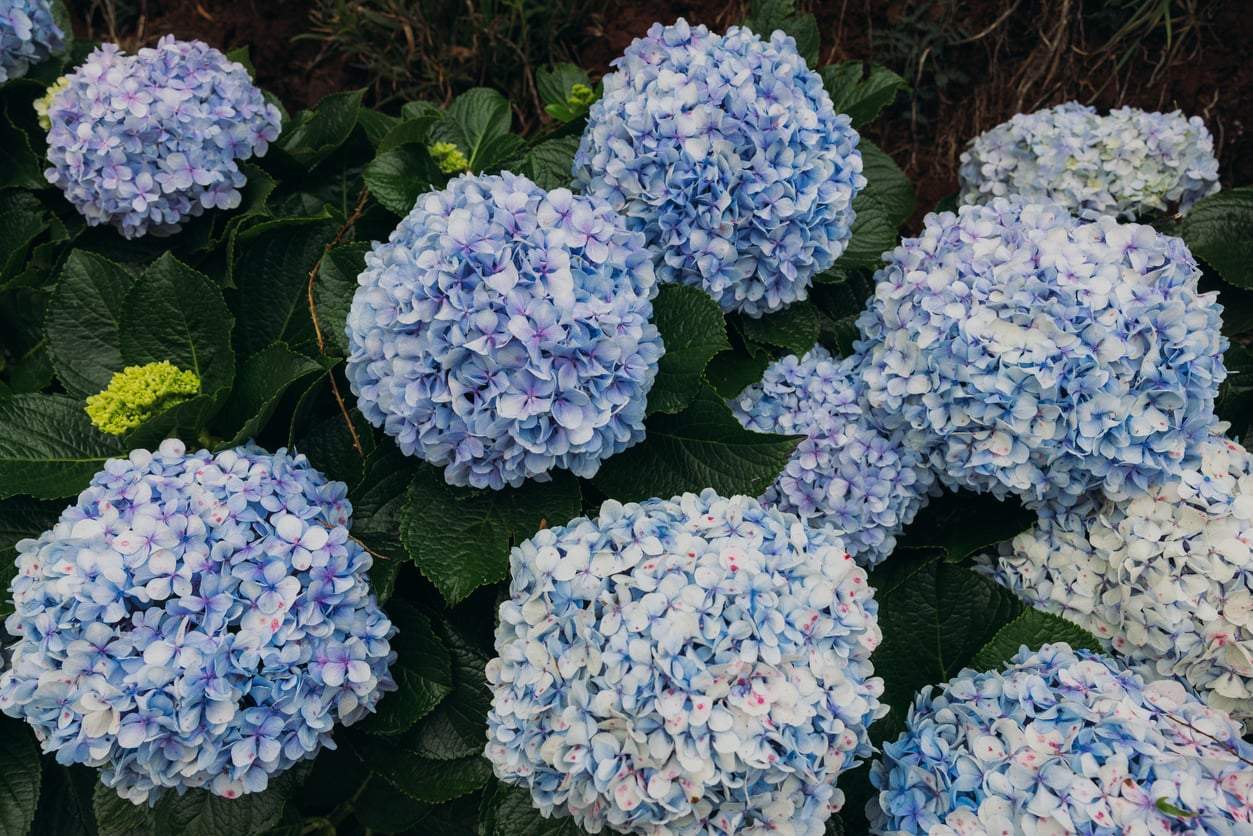
Here's the trick most people don't know: with hydrangeas, soil acidity directly controls flower color. It's one of the rare plants where you can actually choose the shade you want — and then make it happen.
Dreaming of deep, moody blue blooms? Make your soil more acidic. Add peat moss, acidic potting mix, or a specialist hydrangea soil blend — all easy to find at garden centers. You can push the blue even further by mixing aluminum sulfate into your watering can, which helps the plant absorb the compounds that produce that striking blue hue.
Prefer soft pink or rosy tones? Do the opposite: raise the soil's pH by adding dolomite lime or garden limestone. This reduces acidity and encourages the plant to produce those warm, romantic pinks and reds.
The same hydrangea variety can produce completely different colors depending on the soil it grows in. Adjusting pH is the most powerful tool in your gardening toolkit.
Watering and feeding: get the balance right
Hydrangeas are thirsty plants — but that doesn't mean they want to sit in soggy soil. Overwatering is one of the most common mistakes gardeners make, and it can lead to root rot that quietly kills the plant from below.
A good rule of thumb: check the top layer of soil before you reach for the hose. If it's still moist, wait. Watering once or twice a week is usually enough, though during a particularly hot summer spell, you may need to check moisture levels mid-week too.
Feeding matters just as much as watering. During the growing season, use a balanced NPK fertilizer (nitrogen, phosphorus, and potassium) to keep your plants well-nourished. Always water fertilizer in thoroughly after applying — this protects the roots and leaves from burning and helps nutrients reach where they're needed most.
Annual pruning: the key to season after season of blooms
If you want your hydrangeas to look their best year after year, don't skip the annual prune. Cutting away old, dead growth gives new shoots the space and energy they need to develop — and that means more flowers next season.
Timing matters here. For most varieties, late summer to early autumn is the sweet spot for pruning. This gives the plant enough time to set new buds before winter arrives. Different hydrangea types do have slightly different pruning needs, so it's worth a quick check on your specific variety to make sure you're cutting at the right time and in the right way.
Get the pruning right, and your hydrangeas will reward you with fuller, more colorful blooms every single year.