1. What Color Should Your Rug Be?
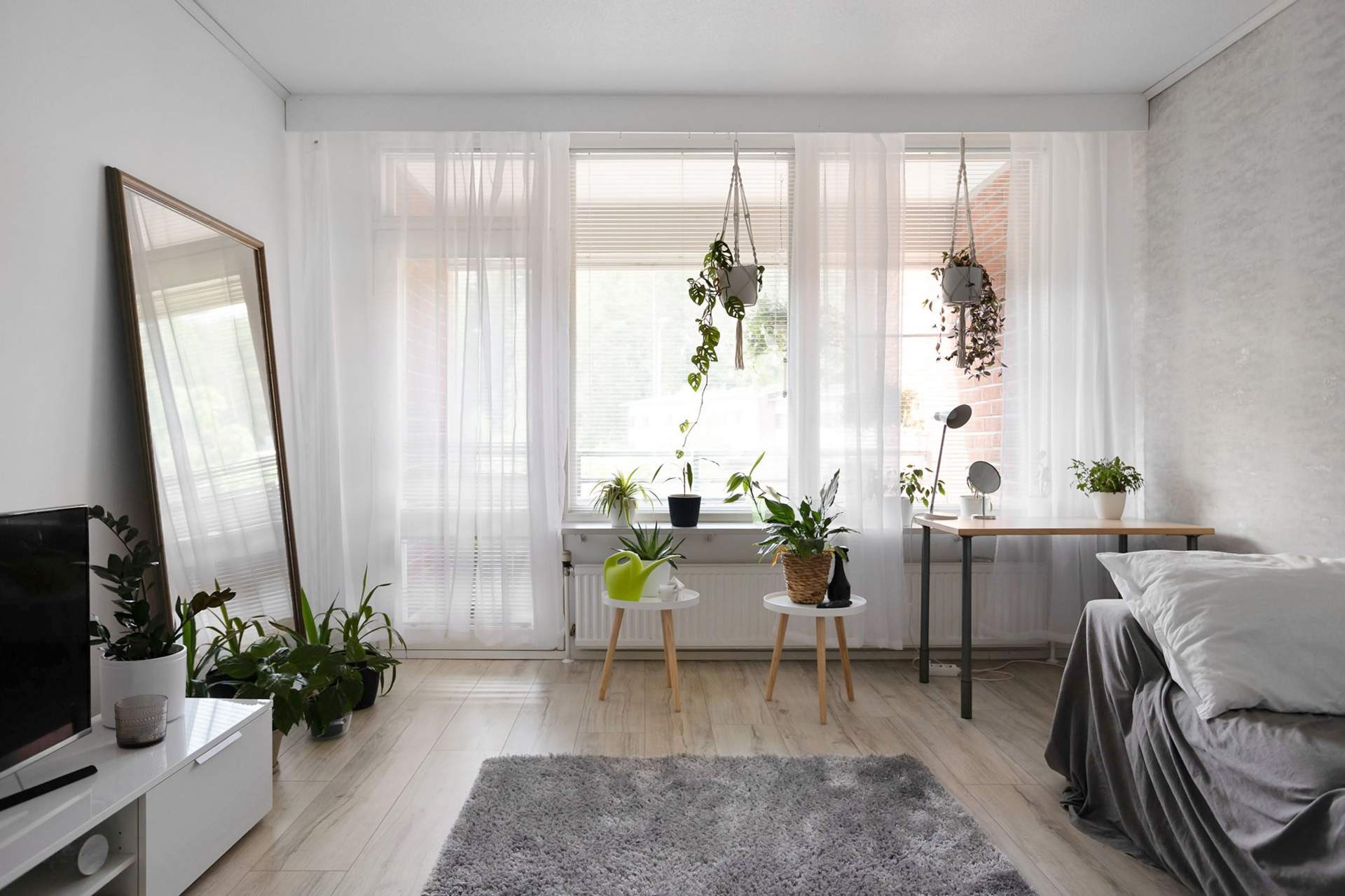
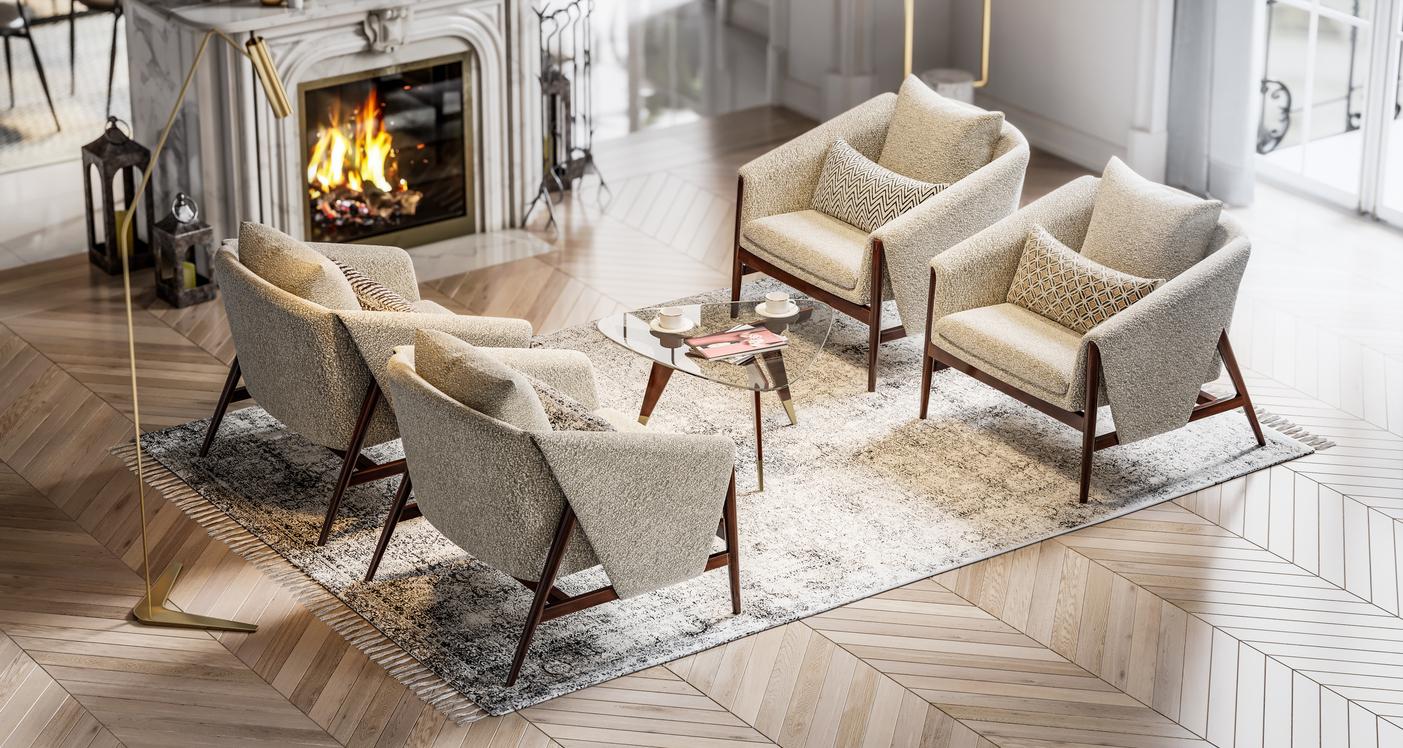
When picking a rug, color is your first priority. It shapes your room’s atmosphere and impacts everyday practicality. For instance, light colors like beige or pale gray make spaces feel larger and bring a soothing touch, but they tend to show dirt fast.
Darker shades like blue or charcoal hide stains well, making them perfect for busy spots like living rooms or entryways. Just keep in mind that dark colors can make a room feel smaller.
2. Size Matters: How to Choose the Right Rug Size
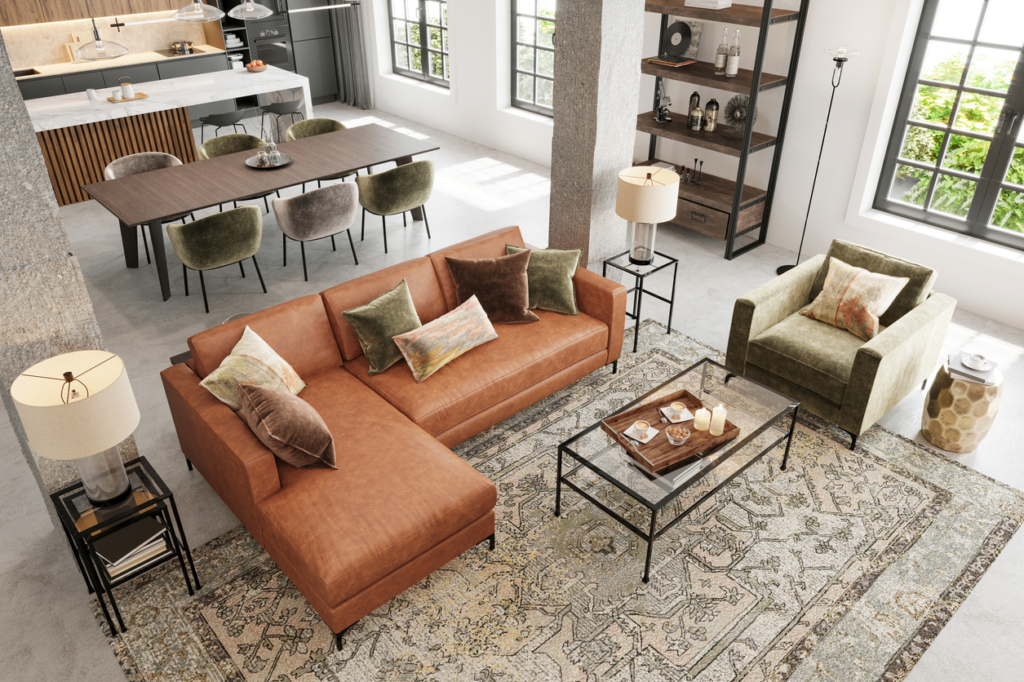
Picking the right rug size is key. Too small, and it gets lost among your furniture; too big, and it can overwhelm the room and feel heavy. A good rule is to have the rug extend at least under the front legs of your seating.
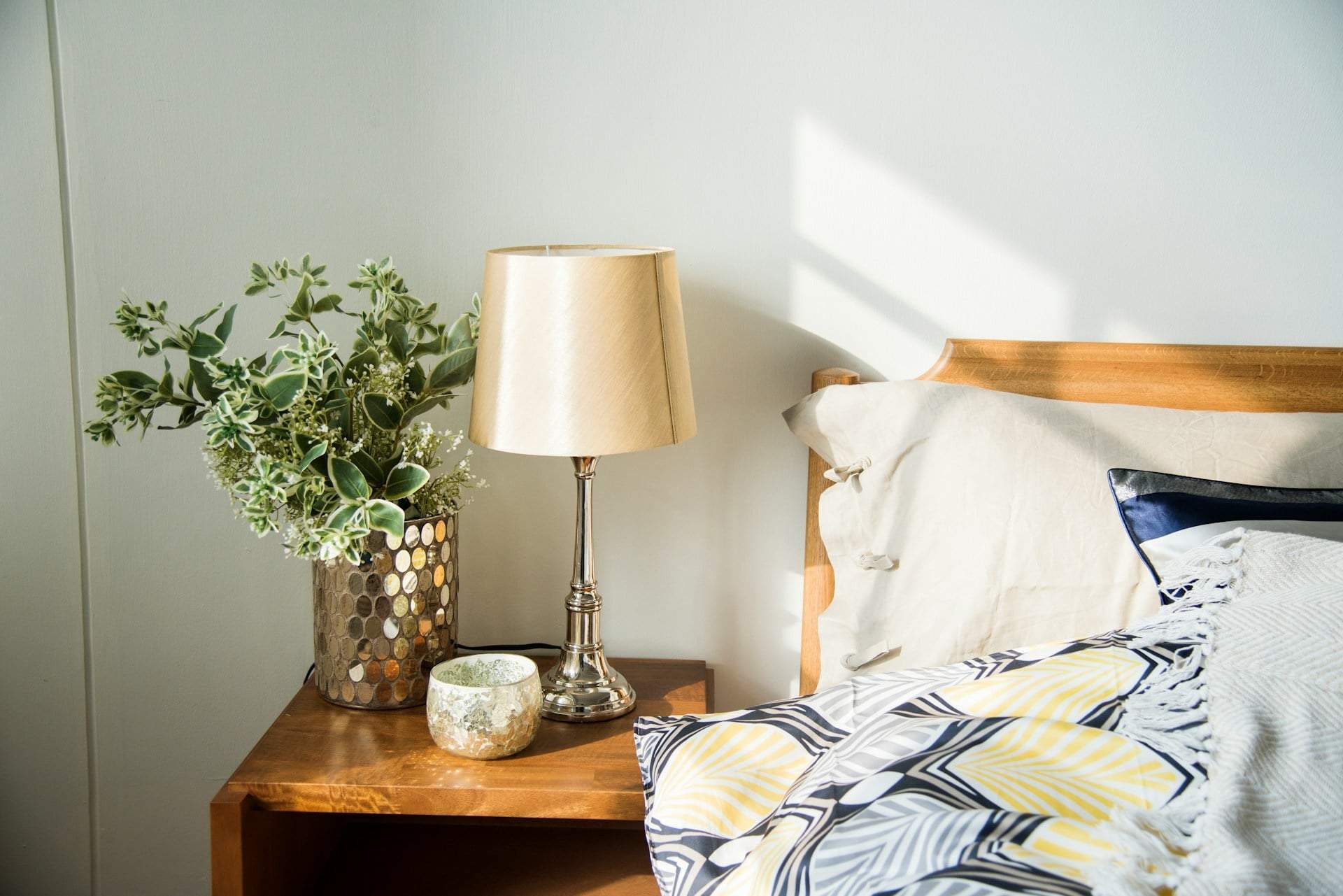
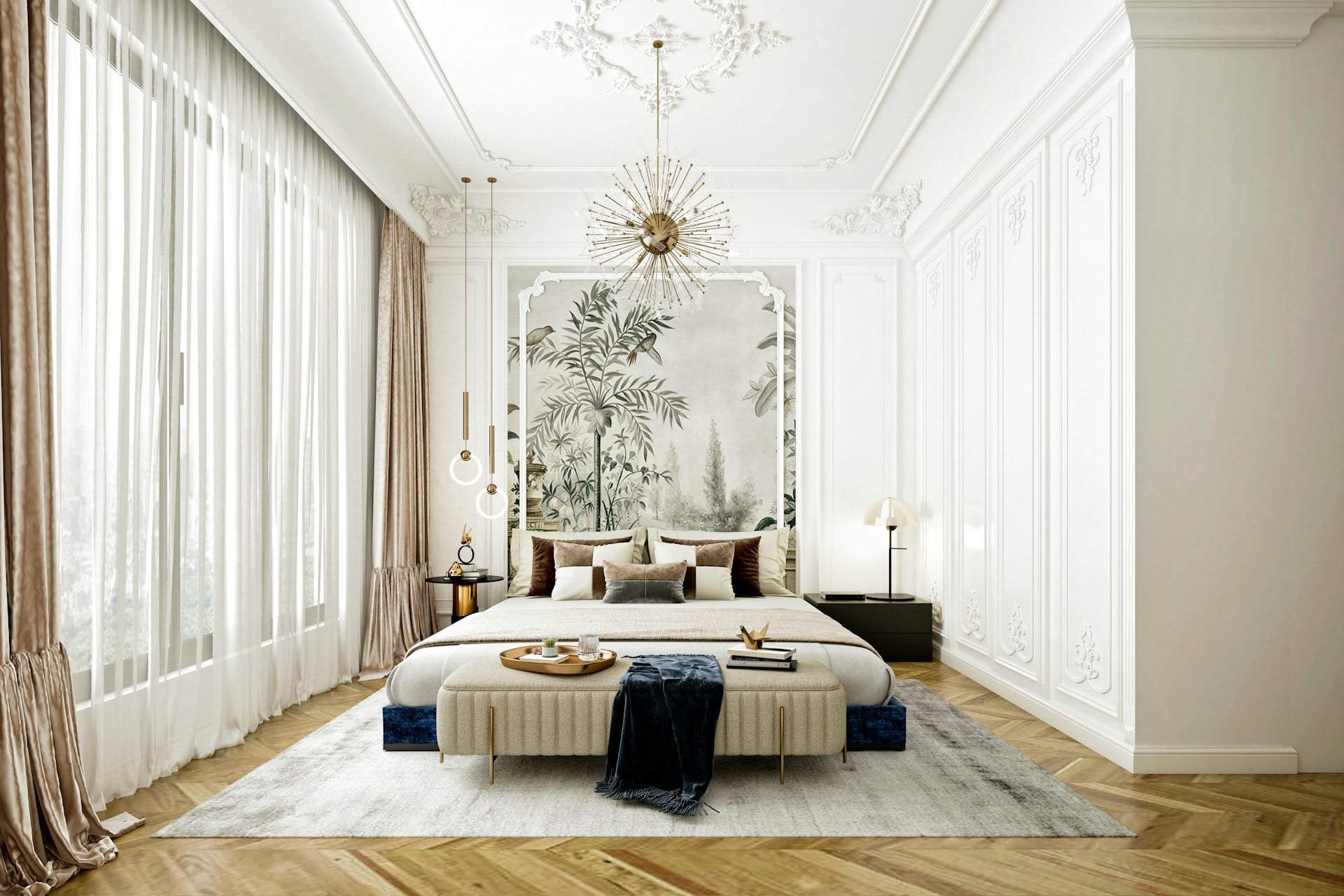
In the bedroom, place the rug so you step onto a soft surface when you get out of bed. A tape measure is your best friend here—knowing your room’s dimensions helps you make a smart choice.
3. The Shape Dilemma
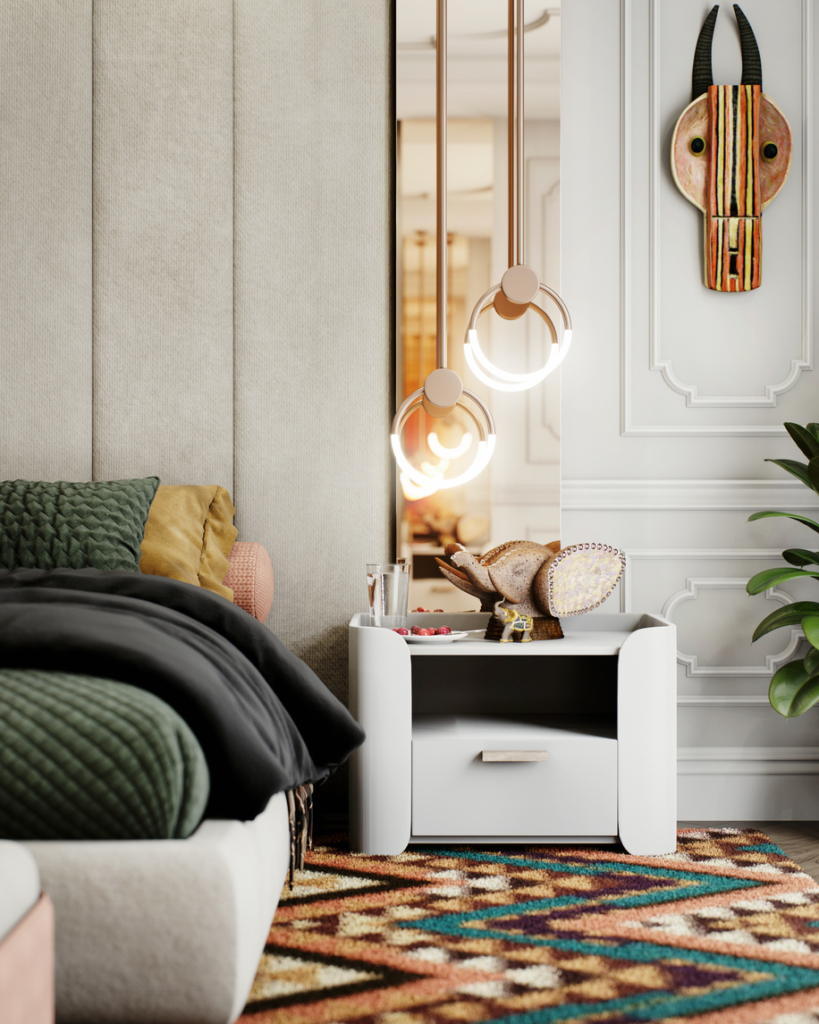
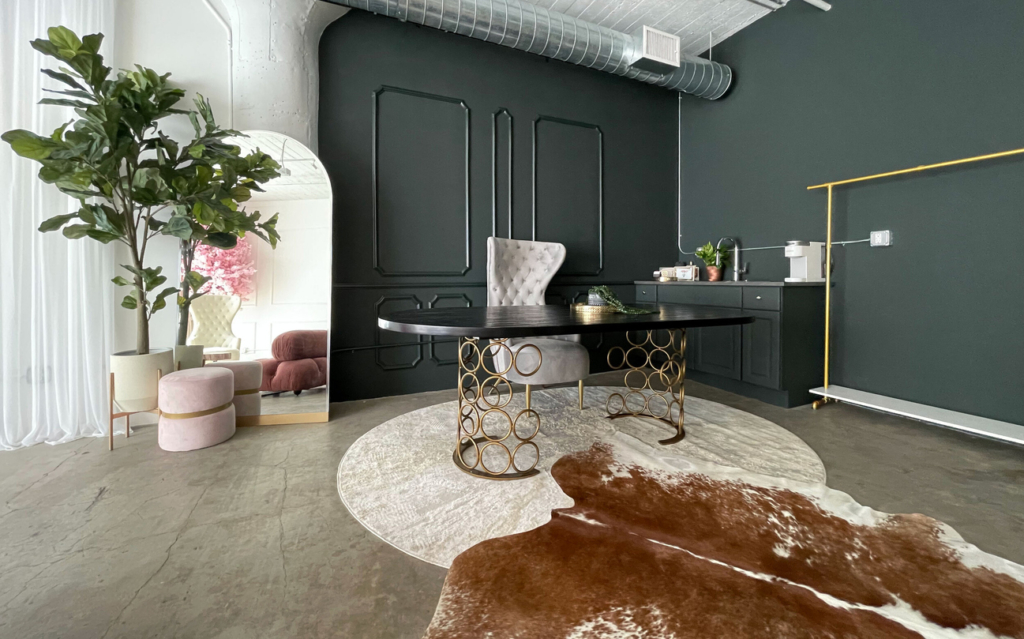
Besides traditional rectangular rugs, round and oval shapes are great alternatives. They fit smaller or narrower spaces and add a unique design touch. Shape matters especially if you’ve chosen modern furniture or bold colors.
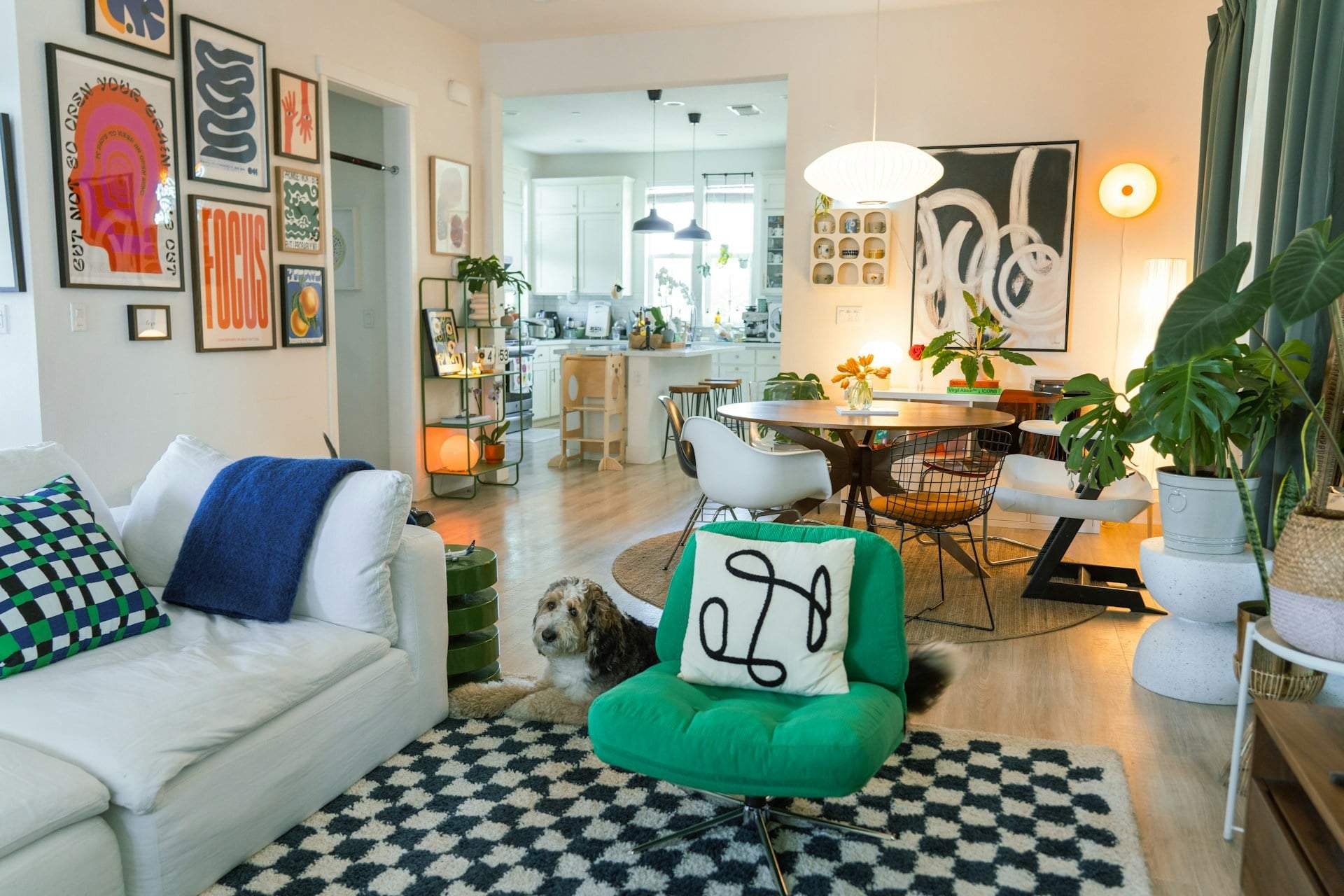
Round rugs work beautifully under dining tables, breaking up sharp angles and softening the room’s feel.
Don’t forget your furniture layout—different shapes affect the overall vibe your room gives off.
4. Cleaning: Do’s and Don’ts
Regular cleaning is essential to keep your rug looking great for years. Avoid harsh chemicals—they can damage fibers and fade colors over time.
Choose mild, neutral pH cleaners. After drying, vacuum thoroughly to remove any leftover residue. Also, rotate your rug occasionally to ensure even sun exposure.
5. Choosing the Right Material
Material choice is crucial when buying a rug. Natural fibers like wool and cotton feel soft and warm but tend to be pricier. Synthetic fibers like polyester are budget-friendly and easier to clean.
Allergy sufferers should be mindful—some synthetics generate static, attracting dust and worsening symptoms.
Organic cotton or bamboo rugs can be the best picks for sensitive noses.
6. Long or Short Pile: What Fits You?
Choosing pile length depends on your needs. Long-pile rugs feel luxurious but trap dust and dirt deeper, making cleaning tougher.
Short-pile rugs are easier to maintain and popular in high-traffic areas like entryways and living rooms. Pick what suits your lifestyle and space best.
7. Allergies and Rugs
Some rug materials, especially those that build up static, can worsen allergy symptoms. Choosing the right material and cleaning products helps reduce risks.
Regular vacuuming with a HEPA filter and good ventilation can further lower allergens.
Natural fiber rugs are less likely to generate static and attract dust, making them a smart choice for allergy sufferers.

8. These Materials Last Longer
Some materials might seem cheap and easy to find but don’t hold up well over time. Synthetic rugs can wear out quickly and fade under sunlight.
Natural fibers may cost more upfront but pay off in durability. Wool, for example, is not only long-lasting but also naturally fire-resistant and offers thermal and sound insulation.
9. What Style Fits Your Home?
With so many styles available, find one that complements your home’s decor. Boho, modern, vintage, or traditional rugs each bring unique textures and patterns.
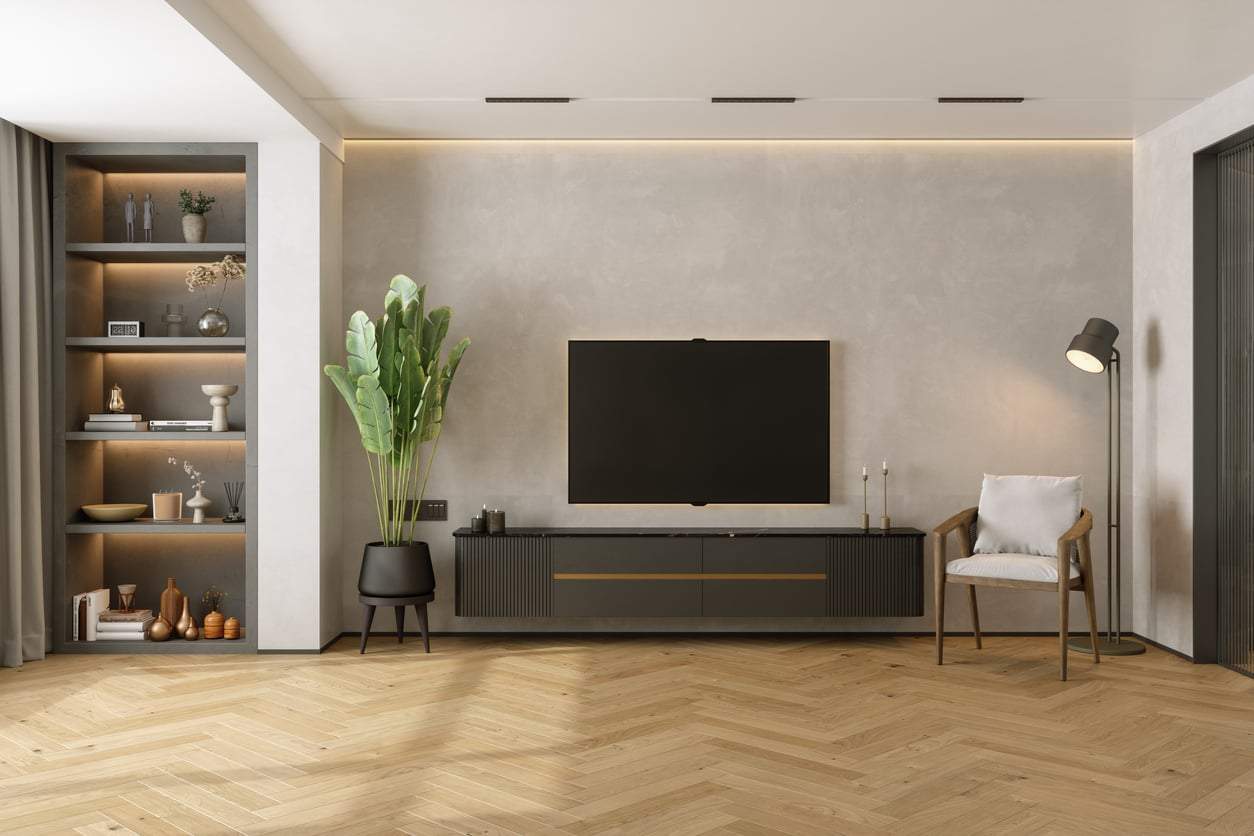
Minimalist spaces benefit from clean, subtle patterns, while bohemian or eclectic interiors come alive with bold, colorful designs.
10. Is Your Rug Sustainable?
Sustainability is becoming a key factor in rug choices. Rugs made from recycled materials are eco-friendly picks. Natural fibers like wool and bamboo also biodegrade easily.
When buying, consider the manufacturer’s methods and materials, and how much they prioritize sustainability. These details help you make a conscious choice.