You almost certainly know someone who transforms into the funniest person in the room after two drinks — and someone else who goes completely silent. It's not a coincidence. The idea that people fall into a few distinct "drunk types" has been around for a long time, and most of us can spot ourselves — or our friends — in at least one of them. Here are the four most recognized types.
The entertainer
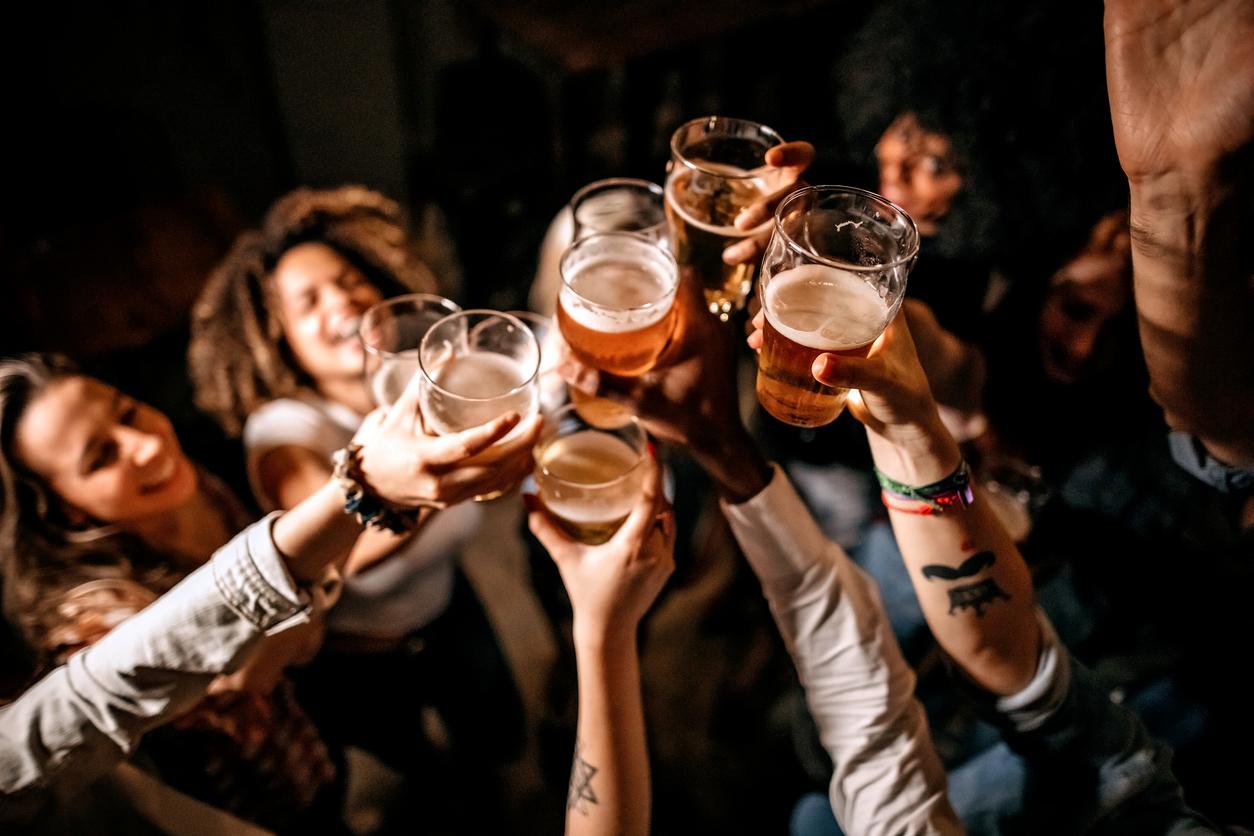
This is the person who can't wait to tell a joke — and will happily tell it again five minutes later because everything feels so much funnier after a few drinks. The entertainer is usually sociable by nature, but alcohol lowers their inhibitions just enough to let out the things they'd normally keep to themselves in a sober crowd.
They're typically the life of the party, even if they can't quite remember what was so hilarious the next morning. They're the one who starts dancing in the kitchen at midnight, or who convinces everyone to play a board game at 1 a.m. Their energy is contagious — people around them loosen up faster just by being in their orbit.
The philosopher
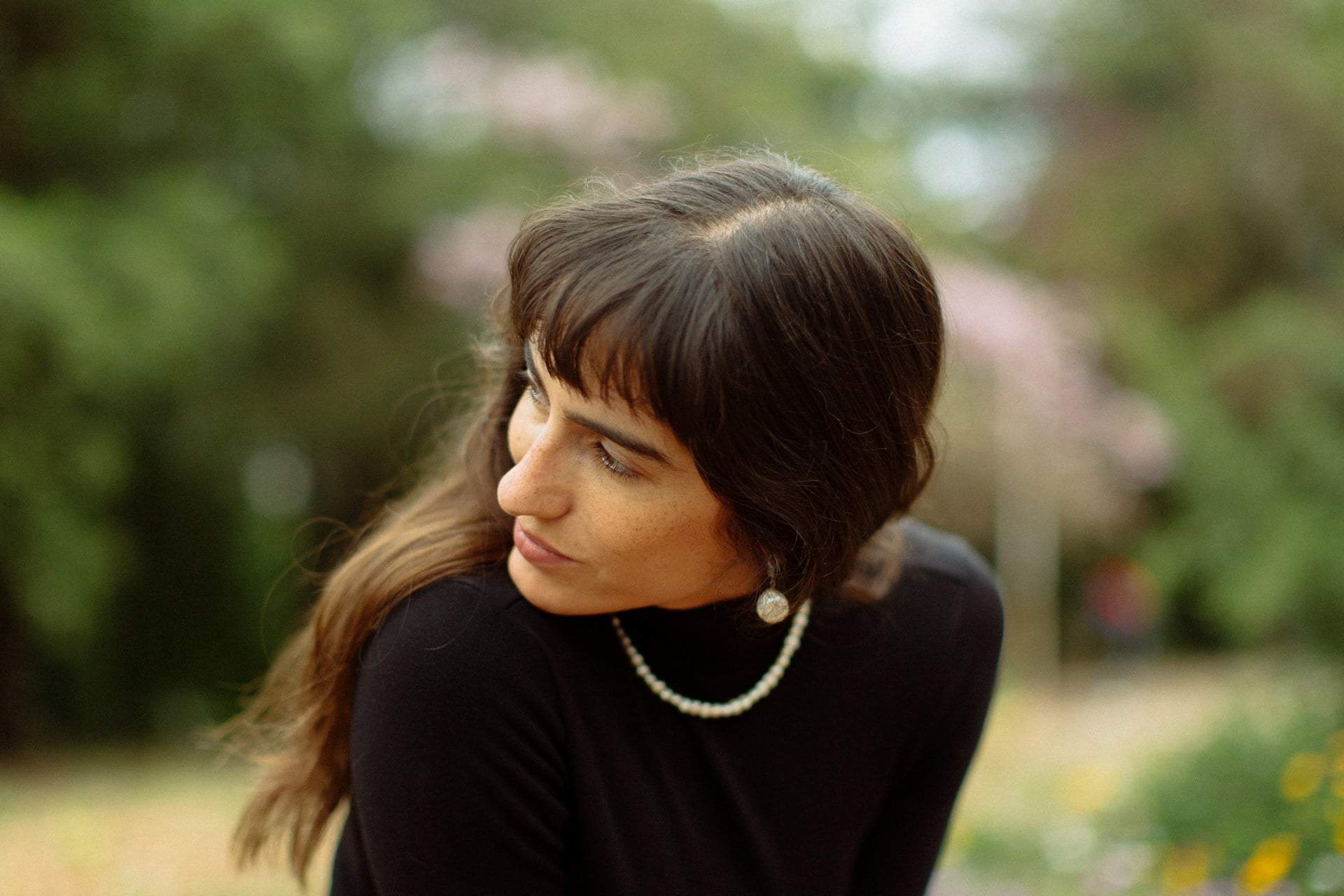
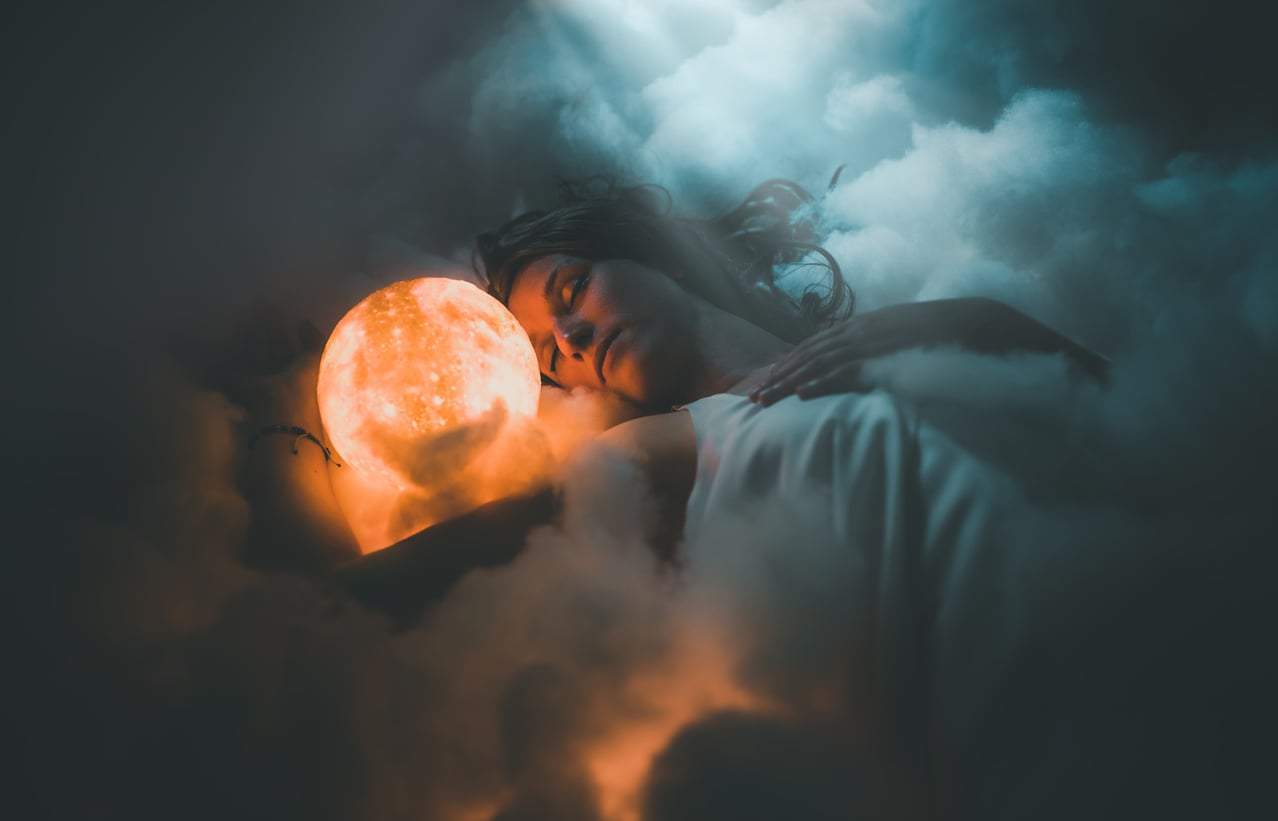
For some people, alcohol doesn't bring out laughter — it brings out depth. After a couple of drinks, the philosophical type tends to drift toward life's big questions, lost in old memories or staring into the middle distance while their thoughts wander somewhere far away.
This shift happens because alcohol lowers our emotional defenses, and if someone already has suppressed feelings or unresolved thoughts quietly simmering beneath the surface, those tend to bubble up. This type often pulls their conversation partner into a long, surprisingly meaningful exchange that stretches well past midnight. By morning, they may not remember exactly what profound thing they said — but their companion usually does.
If you often find yourself reflecting on heavy emotions after a drink or two, you might find it useful to explore practical ways to manage melancholy in your day-to-day life as well.
The aggressor
This is the least welcome type at any gathering. Under the influence, this person becomes irritable, argumentative, and sometimes downright confrontational — seemingly out of nowhere.
Research suggests this kind of behavioral shift is most common in people who already have a lower tolerance for stress, or who carry suppressed tension from the day that alcohol simply removes the lid from.
This is the type responsible for most of the uncomfortable party memories people carry around for years — and the one most likely to be sending apologetic texts the next morning.
The crier
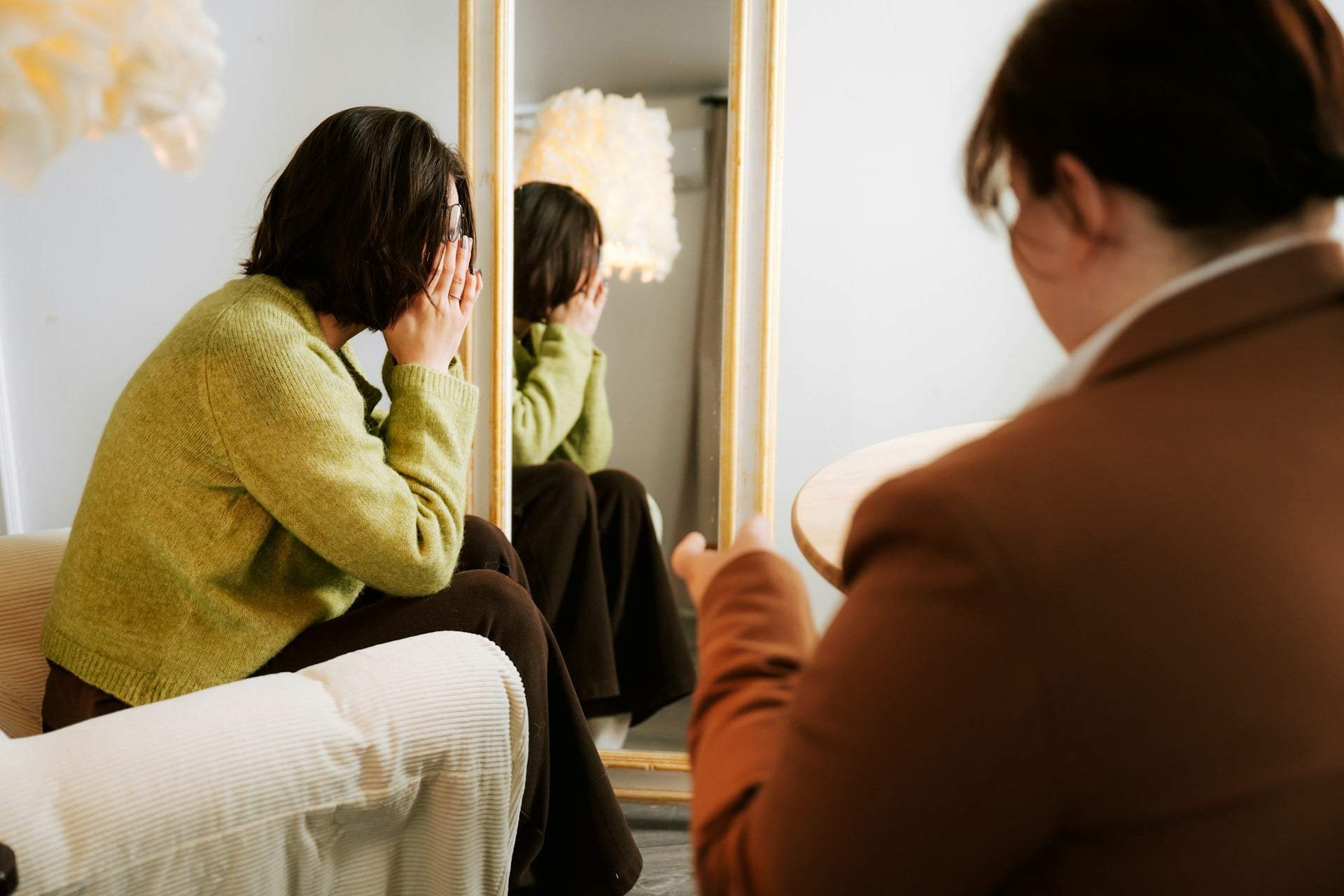
Somewhere between the philosopher and full emotional breakdown, the crier becomes noticeably more vulnerable and tender after a few drinks. Old breakups resurface, random feelings of sadness creep in, and emotions they keep tightly under wraps on a normal day suddenly spill over.
This reaction comes down to the same root cause: alcohol weakens our emotional control, letting feelings rise that we'd otherwise push back down. This is the person who calls an old friend at midnight just to say they've been missed — and means every word of it.
What these types actually tell us about ourselves
It's worth noting that these categories are popular, relatable observations rather than strict scientific classifications. That said, real research does back up the broader idea — psychologists at an American university identified four similarly structured personality types based on how much — and in what direction — a person's behavior shifts when they're drunk compared to when they're sober, ranging from those who barely change at all to those who undergo dramatic, negative transformations.
The key insight from both the casual and the scientific framing is the same: alcohol doesn't create a new version of you — it amplifies what's already there. It loosens the grip you keep on your emotions, impulses, and thoughts when you're sober. Which means your drunk type isn't random. It's quietly, honestly you.
Which drunk type are you?
Most people recognize themselves in one type pretty quickly — though some shift between two depending on the night, the company, or what's going on in their lives. Pay attention next time. Your drink personality might tell you more about your inner emotional landscape than you'd expect.
Can your drunk type change over time?
Yes. Because alcohol amplifies what's already inside you, your type can shift as your emotional state, stress levels, and life circumstances change. Someone going through a difficult period may temporarily become more of a crier or aggressor than usual.
Why do some people barely change when they drink?
Research on drunk personality types found that some people show very little behavioral change under the influence. This tends to reflect a personality that is already quite open, stable, and emotionally regulated — meaning there's less suppressed material for alcohol to bring to the surface.
Is it bad to be a philosopher or crier type?
Not necessarily. These types are generally harmless to others, though deep emotional conversations or unexpected waves of sadness can be a signal that certain feelings deserve more attention in everyday, sober life.