I remember my 18th birthday as a special moment when it really hit me: even though I was still the same person, legally I had no excuses—I truly had to take responsibility for myself. Not that I caused big trouble, but knowing my family’s legal support wasn’t the same anymore felt very "grown-up."
On paper, that’s when we become adults, but what does real life say? I lived at home for a few more years, went to college, and was lucky enough to leave the family nest around 22 or 23 under ideal conditions.
A new survey, conducted in 2024 with 2,000 young adults, shifts the focus—and the age. It turns out adulthood today is way more than a birthday or legal status, with "today’s youth" only starting to feel truly adult at 27 years old.
Redefining What It Means to Be an Adult
For most respondents, a key sign of adulthood is being able to cover their own living expenses.
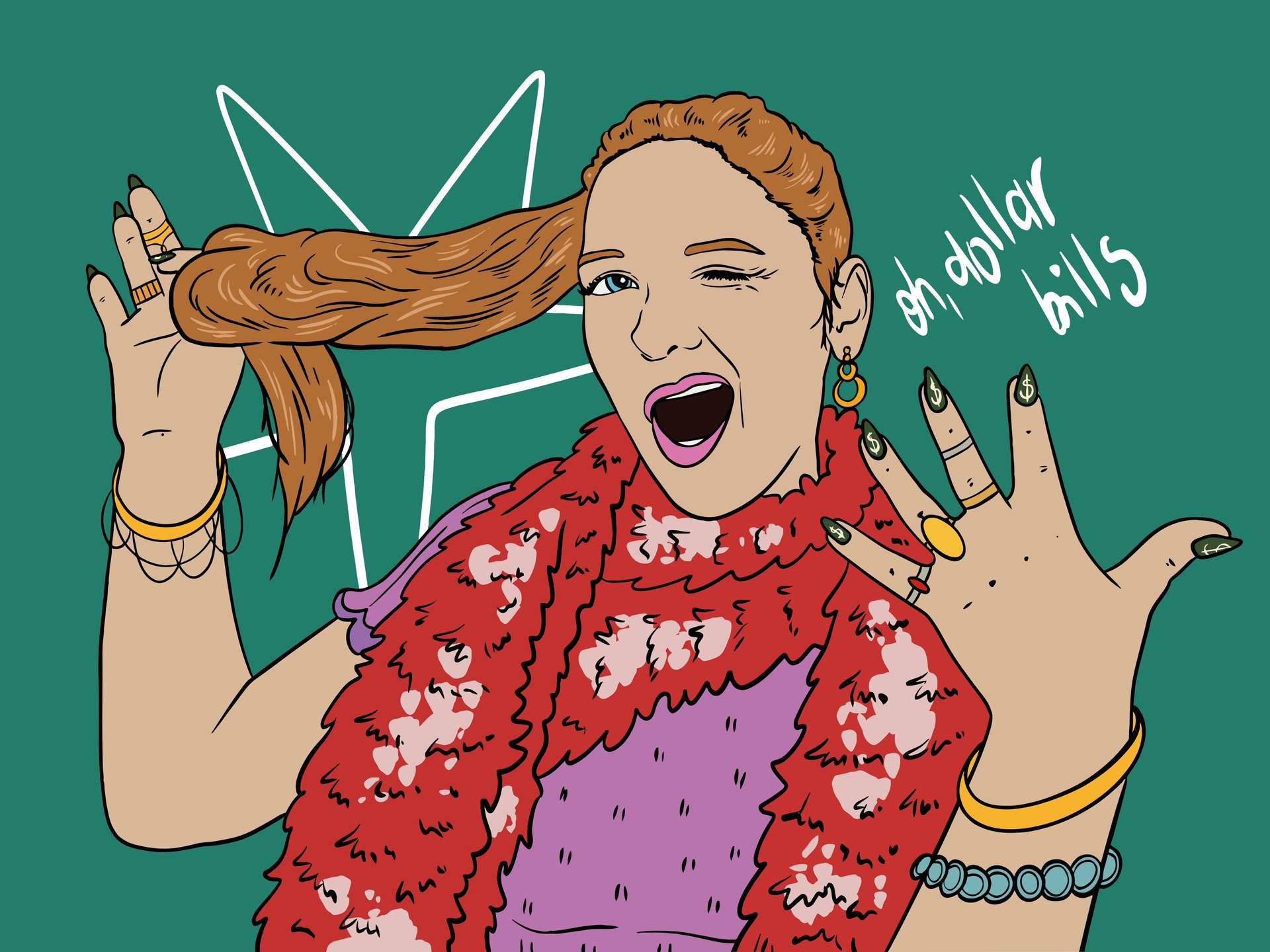
More than half—56%—said true adulthood means being able to pay their bills.
Financial independence is a major milestone many reach only in their late twenties, and this age seems to be creeping later. Finding balance between financial responsibility and personal priorities is key during this time.
Modern society takes longer to embrace adult norms, while 38% of those surveyed say adulthood shows when career and livelihood take priority over fun.

Key Milestones in Experiencing Adulthood
Another interesting fact: 46% of respondents see leaving the parental home as one of the first true signs of adulthood. This milestone is also happening later, with many leaving home in their late twenties or beyond. The study also highlights getting the first job or feeling a stable career foundation as defining moments.
Financial independence is a critical area in becoming an adult. Most participants only start taking financial planning seriously by age 28. Among Gen Z, 81% feel pressured to advance financially faster than they currently are. This financial anxiety isn’t just a young person’s issue—older generations also wish they’d paid more attention to money matters in their twenties.
For Many Young People, Financial Security Feels Out of Reach
Sadly, many Gen Z members see financial security as an unreachable goal. This generation faces intense pressure to progress financially (and fast), while many find adult life harder than expected. Forty percent say their financial situation is currently not stable at all, and only 41% believe they have a real shot at stability.
It seems that while older generations also struggled during this phase, today’s young adults face a unique challenge balancing stagnant wages with rising living costs—and ultimately building an independent, adult life.