There's a strange moment that creeps up on a lot of us. One summer, you realize you'd happily trade a front-row spot for a real bed and a clean bathroom. No drama, no announcement — it just happens.
Last weekend, a friend and I went hiking, and somewhere along the trail we slipped into pure nostalgia, remembering how completely different "fun" looked in our lives 15 or 20 years ago.
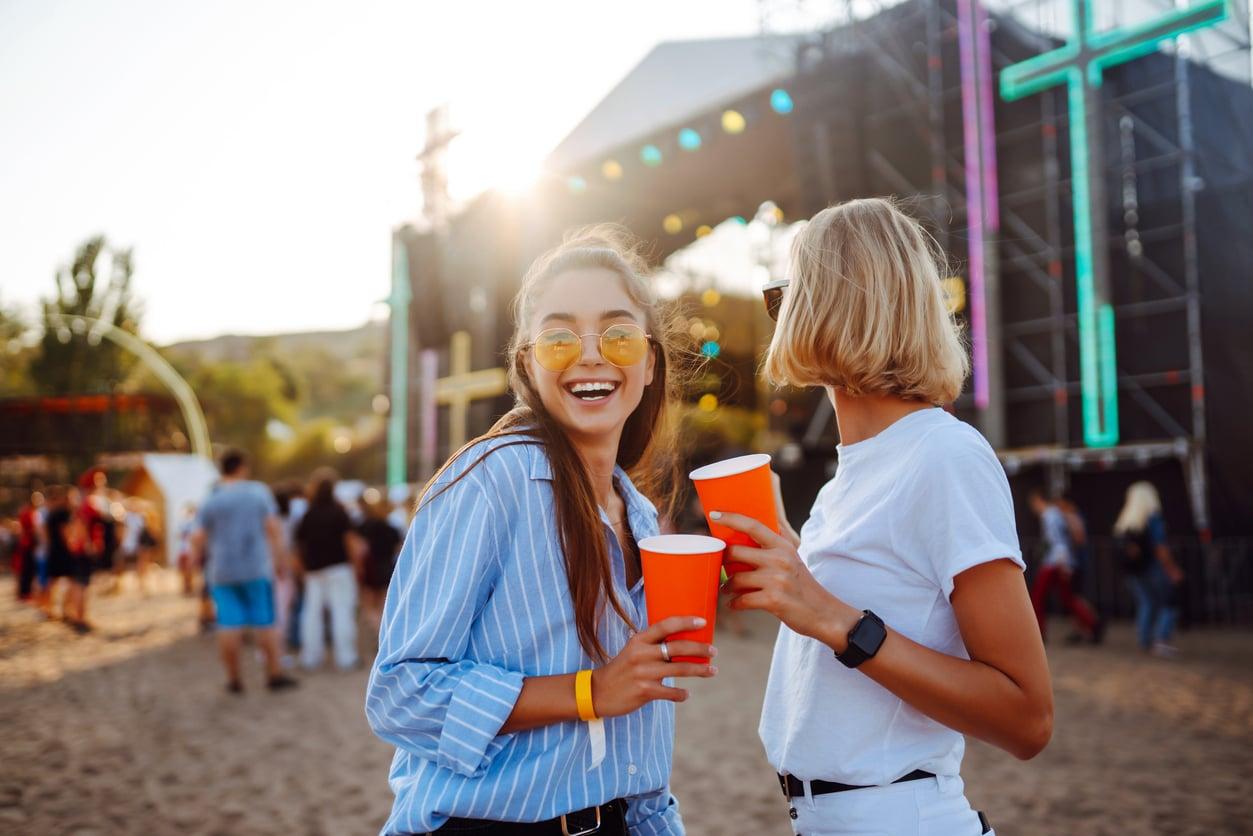
Back then, when summer arrived, absolutely nothing could keep us away from concerts, dancing, and parties that stretched until sunrise. The brutal heat didn't matter. Neither did the tent we always pitched crooked on some hillside, the dust covering everything, the warm beer, or even the most feared symbol of any festival: those infamous portable toilets. Only one thing was on our minds: being in the front row, screaming every lyric with our favorite band, and jumping until our legs gave out.
When "affordable" starts to mean "unbearable"
Then, year by year, almost without noticing, completely different things took priority. We used to see the summer lineups drop and immediately start hunting for the cheapest tickets. Now? We browse accommodation instead.
And that's when reality hit: whatever falls into the "affordable" category during peak festival season would be genuinely miserable for us today. That classic, rough-around-the-edges festival experience we once would've given an arm for simply isn't worth the compromise anymore. In that moment, the thought landed like a punch: "Oh no. Have I gotten too old for festivals?"
But maybe it's something else. In our teens and twenties, going out was just a natural, effortless part of life. Past thirty, it quietly turned into a full-blown logistical nightmare — one you're not always willing to pay for, in money or energy.
I never used to worry about where or how I'd pee. Now I catch myself choosing a strategic spot at the concert based on how quickly I can reach a decent restroom — even though, thankfully, there's nothing wrong with my bladder. The crowd at the foot of the stage has been re-evaluated too. We used to throw elbows to get close enough to admire the guitarist. Now, even out of the corner of my eye, I instinctively scan for the emergency exits and any little pocket of breathing room.
The wild romance of camping has officially left the building
These days, I have zero desire to wake up at 3 a.m. to a stranger's snoring or the very audible "romance" happening in the tent next door. And — after a spine surgery — I'm honestly not sure I could even peel myself up off the bare ground after a sleepless night.
A comfortable mattress, clean sheets, a working air conditioner, and a blackout blind that guarantees real darkness now feel like a far greater luxury to me than the most exclusive VIP pass on earth.
And if that weren't enough, there's the hangover question — which, closing in on forty, I can now produce at a masterful level without any alcohol at all, purely from exhaustion. All it takes is a program running a little long and one short night, and the next day I wake up just as wrecked and worn out as I used to feel after rolling into bed at six in the morning. In my twenties, a big glass of cold water, a hot bath, and a solid sleep fixed everything instantly.
Today, after a single late night out, I need at least three days to fully recover — plus some seriously committed vitamin management.
It's not (just) my age that changed — it's what I need
For a long time, a little guilt gnawed at me over this shift. I assumed this craving for comfort was an early sign of grown-up boredom, a kind of dullness setting in. But when I started talking openly about it with my friends, I felt a wave of relief: I'm not even close to alone in feeling this way.
At this age, we know ourselves so much better than we did 10 or 15 years ago. We understand exactly what truly refuels us — and what just quietly drains us. If you've ever wondered whether your idea of a perfect night out has changed with age, that's not decline. That's clarity.
I'm no longer willing to compromise on my basic needs and comfort just so I can say: "I was there in the crowd too."
The moment I let go of the guilt, something else became clear: there's plenty of life beyond multi-day camping festivals, because the whole concept of "having fun" is wonderfully flexible.
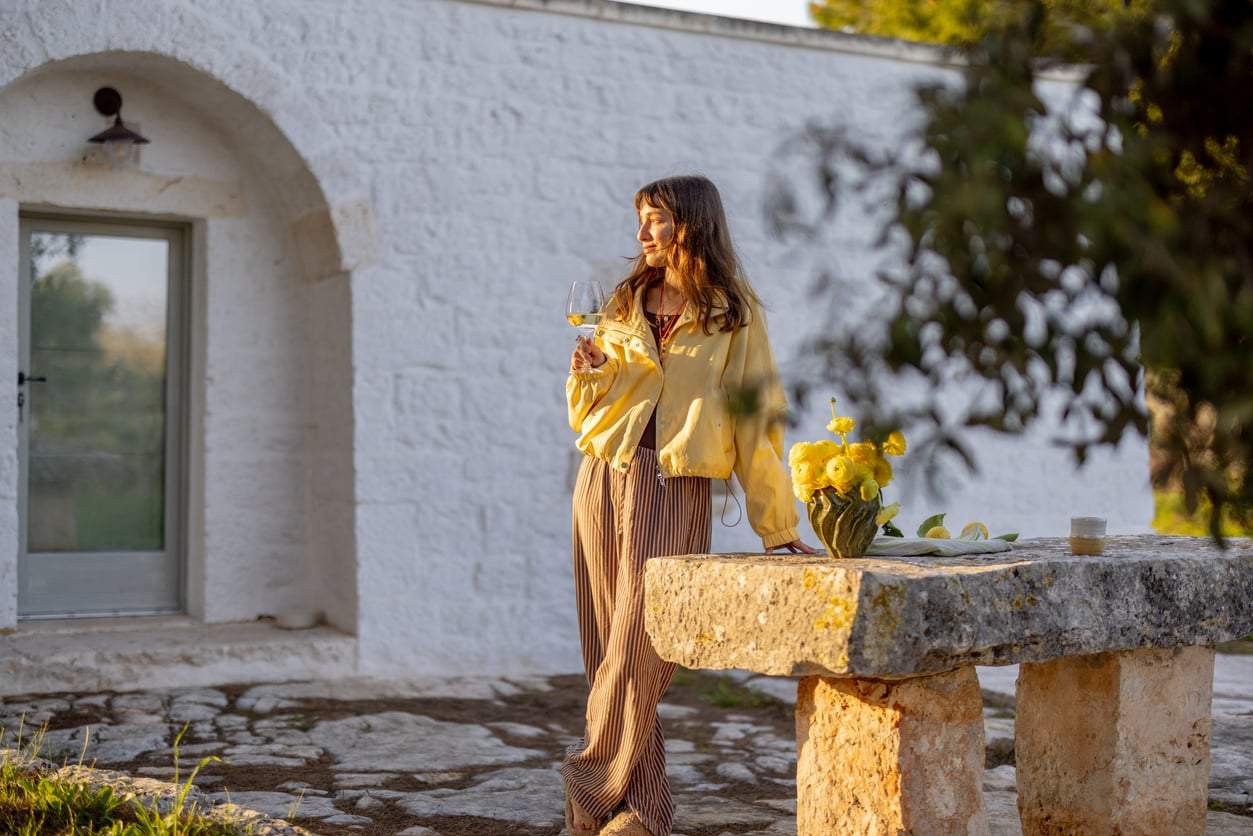
The classic festival passes have been replaced by carefully chosen one-night concerts and parties — the kind where, after our favorite songs, we can slip into a taxi or car and head straight home to our own beds. And we've fallen hard for the slower, cozier pace of wine festivals and food events, where you can actually sit down, sip something good over a nice dinner, and talk with friends while genuinely hearing and understanding each other.
Living that wild, chaotic, boundless freedom in our twenties was a fantastic, unrepeatable experience. But with a respectful nod to who we used to be, we can now step boldly and happily into the era of quality and private little oases.
There's real joy in realizing this: it's okay to celebrate on our own terms at every stage of life. And we never have to feel ashamed for sensing that a clean restroom and a restful night's sleep are just as deserved by our souls as good music is.
Does getting older mean you have to give up festivals?
Not at all. It often just means your needs change. Instead of multi-day camping, you might lean toward one-night concerts, wine festivals, or food events where comfort and connection come first.
Why do festivals feel so exhausting after 30?
What used to be effortless can turn into a real logistical challenge. As the article describes, even one short night can leave you as wrecked as an all-nighter once did — sometimes without any alcohol at all, purely from tiredness.
Is it normal to prefer comfort over the lineup?
Yes. At a certain point, knowing yourself better means valuing a clean bathroom, a real bed, and rest. It isn't boredom or dullness — it's simply choosing what truly refuels you.
What are good festival alternatives for this stage of life?
Well-chosen one-night concerts, parties you can leave by taxi or car, and slower-paced wine and gastronomy events where you can sit, eat well, and actually hear your friends talk.