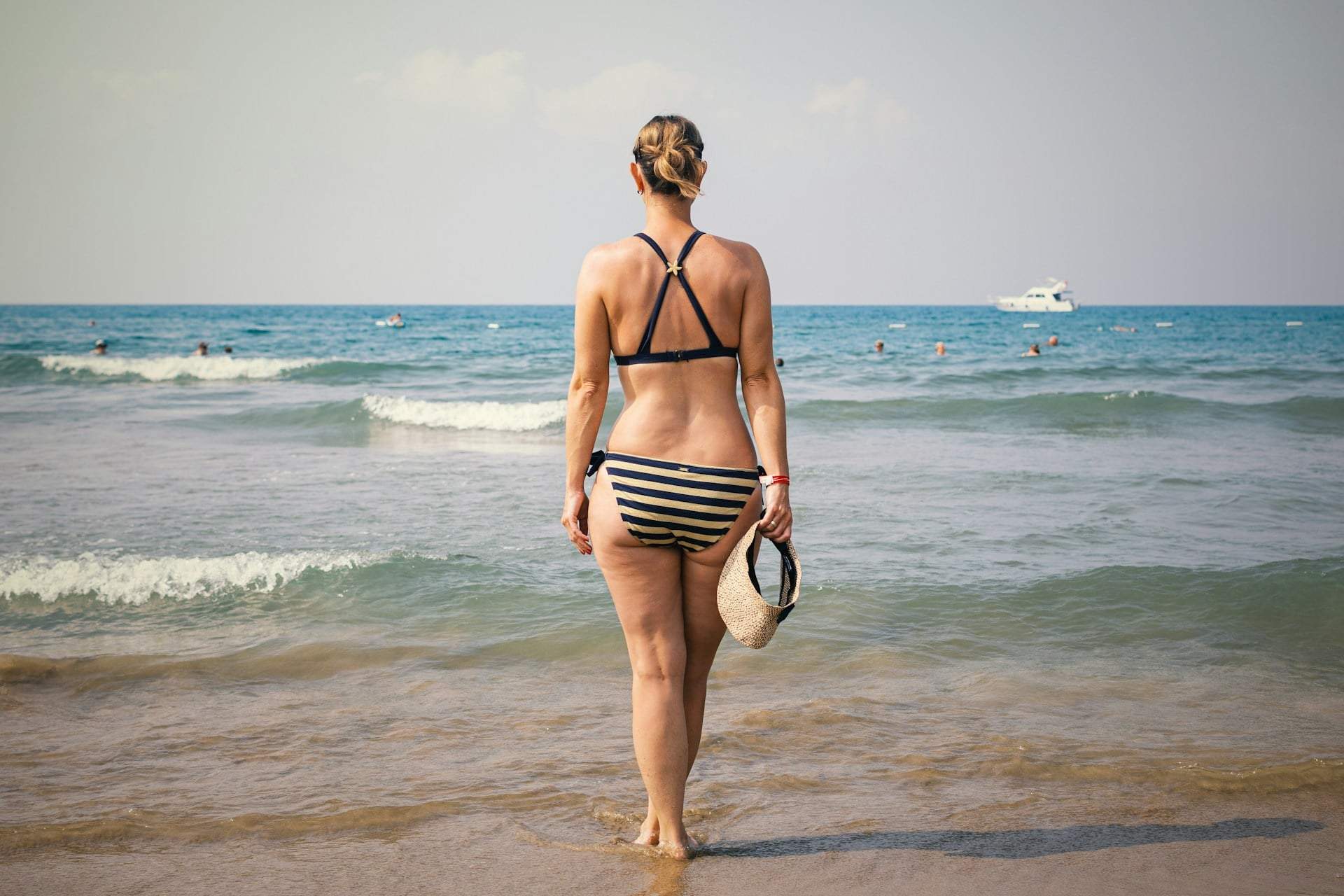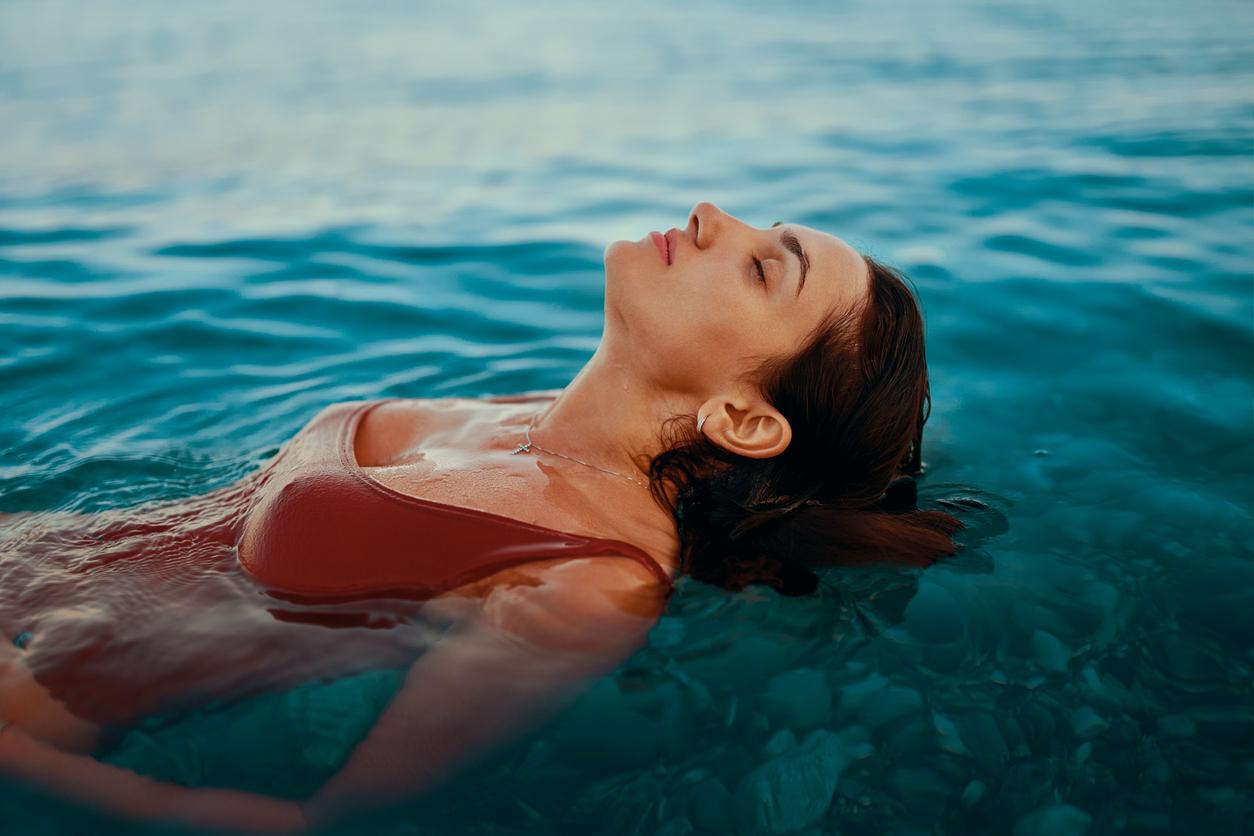
For years, the beach wasn't a place of rest for me. It was a knot of quiet tension. The anxiety kicked in before I even left the house: Are people going to look at me? Will they comment on my body? And what if the water isn't clean enough and I "catch" something?
Those thoughts followed me to the shore for a very long time.
I won't pretend all of it has disappeared. There are still beaches I avoid, and days when it's harder to let go of the need for control. But over the years I've built a few habits that actually work — small routines that finally let me stop clenching my whole body at the water's edge. Here's what genuinely helped me.
1. Choosing the beach on purpose — where I go really matters
The first and maybe most important step for me is that I don't just go "anywhere." I pick a place where I already feel more at ease.
What matters to me is a clean setting, tidy restrooms, shaded spots and a general sense of order. My favorites have become the natural lakes and swimming spots — especially the ones with a friendly entry price that still feel cared for, well-kept and inviting.
That alone lifts a huge amount of tension: when the setting makes me feel safe, I have fewer reasons to worry.
2. Comfort above all — more towels, more swimwear
I used to spend entire days in one wet swimsuit because changing felt like too much hassle. Now I make a point of bringing extra towels and a spare swimsuit or two.
It might sound like a tiny thing, but it makes an enormous difference. It's so much more comfortable to slip into something dry whenever I want, instead of feeling sticky and uneasy for hours on end.
3. Planning ahead for food — especially with food sensitivities
As someone with a gluten intolerance, this isn't usually a choice for me — it's a necessity. I almost always pack something safe and prepared in advance: a sandwich loaded with veggies, or a tuna tortilla, properly chilled.
That way I don't have to stress about what I can and can't eat.
But even without a food sensitivity, having a "safe backup" is worth it. A little packed snack takes a lot of stress and extra hassle off your shoulders, so you're not immediately at the mercy of the snack bar menu — or the lines.
4. A calm start — the beach bag isn't a last-minute scramble anymore
There was a time when my beach days started with a frantic rush before leaving. And it almost always ended the same way: stress, frayed nerves, and the feeling that I was already exhausted before we'd even arrived.
Now I pack at a relaxed pace, either the night before or well before we head out. I check the towels, the sunscreen, the water and the food.
A calm departure is already half the battle, if you ask me.
5. The most important one: other people's opinions don't define me
This was the hardest part. And honestly, it's the one that still doesn't work perfectly every single day.
I used to be deeply affected by what other people thought of me. Half a sentence or a single glance was enough to ruin my day. Now I try, much more consciously, not to build my self-worth on other people's opinions. When the old feeling does creep back in, I try to reconnect with how good the water feels, the warm sun, the simple pleasure of resting — and I try to let that matter more than anyone's stare.
If someone judges me, that says far more about them than about me. And the people who truly matter don't hurt you over things like this.
It wasn't easy to get here, but every trip to the beach is a little practice in it.
The beach isn't a test
These days I think of going to the beach as a chance to unwind, not a performance to nail. I don't have to be perfect, I don't have to measure up, and I don't have to stay tense the whole time.
The goal isn't to make every anxious thought vanish. It's to have enough tools so that those thoughts don't run the show.
And if someone still decides to judge? They'd be better off worrying about their own reflection — and if they don't, well, that's their problem, not mine.
How do I choose a beach that feels less stressful?
Look for places that already put you at ease — clean surroundings, tidy restrooms, shaded areas and a general sense of order. Natural lakes and well-kept swimming spots can feel especially calming.
Why pack extra towels and swimwear?
Being able to change into something dry whenever you want makes the whole day far more comfortable. It stops you from feeling sticky and uneasy for hours in a single wet swimsuit.
Do I need to bring my own food to the beach?
If you have a food sensitivity, packing safe, prepared food removes a real source of worry. Even without one, a "safe backup" snack saves stress and means you're not dependent on the snack bar or the lines.
How can I stop caring so much about what others think at the beach?
Try not to build your self-worth on other people's opinions, and reconnect with what actually feels good — the water, the sun, the rest. When judgment does sting, remember it says more about the other person than about you.