As a kid, a single summer break felt like it would never end. Now an entire year can slip by before you even notice the seasons changed. If that sounds familiar, you're not imagining it — and the reason isn't in your head so much as in your brain.
Time itself moves at exactly the same pace it always has. What changes is the way your brain processes and stores your experiences — and that quiet shift is what makes the years feel like they're speeding up.
Your brain isn't watching the clock — it's counting experiences
The brain doesn't measure time with an internal stopwatch. Instead, it tracks how many new things it has to process in a given stretch of time. When there's a lot of fresh information to absorb and organize, the brain records more moments — and looking back, that period feels longer than it really was.
Researchers call this retrospective time perception. We don't experience time as slower in the moment. We feel it later, when we look back and realize just how much actually happened.
In childhood, everything is a first
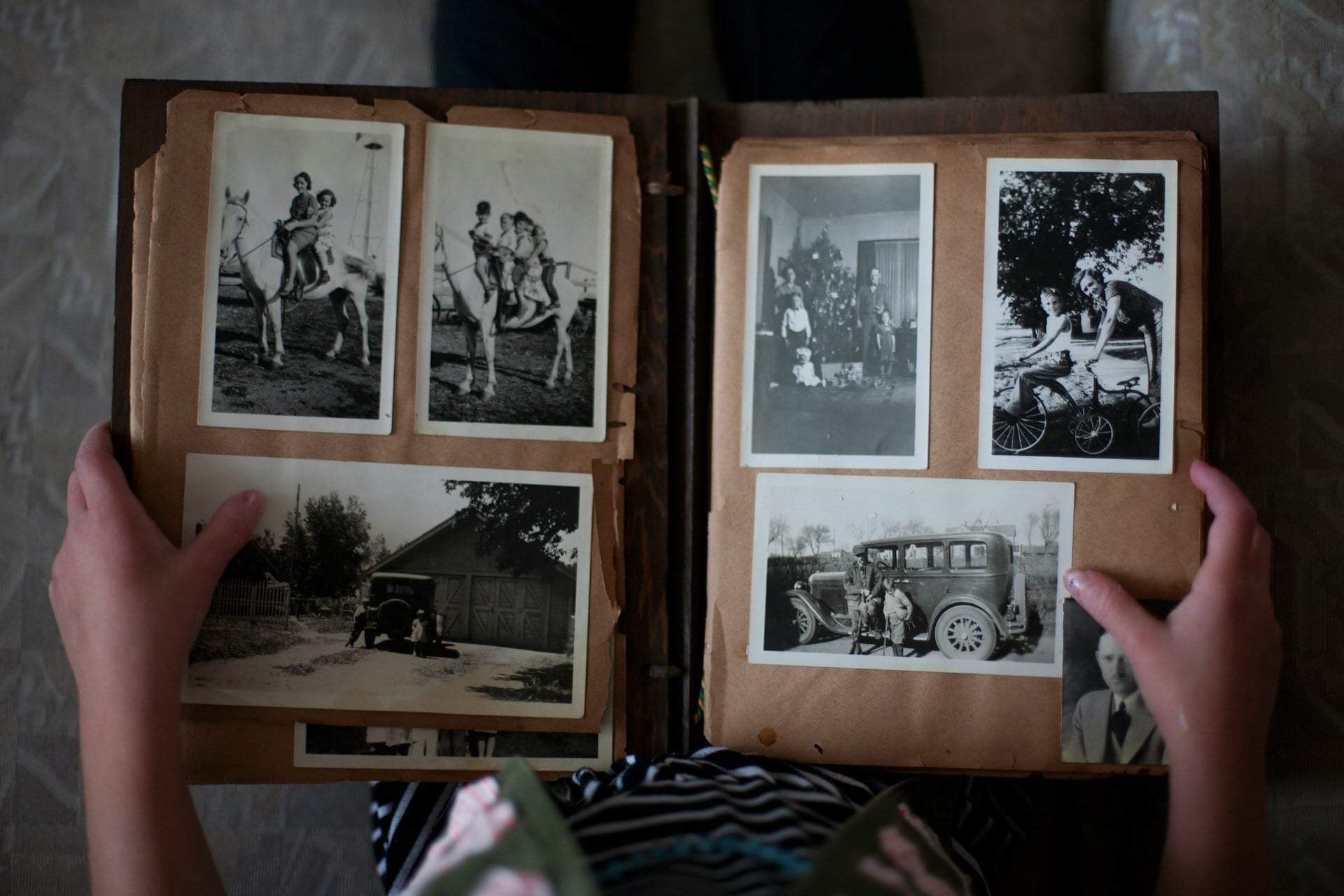
When you're small, almost every experience is brand new: your first bike ride, your first day of school, an unfamiliar taste, a smell you've never noticed before. In those years the brain is constantly building new neural connections, because it keeps meeting information it has no template for yet.
That dense, detailed recording is exactly why a childhood summer feels endless in memory. Not because it objectively lasted longer, but because so many small, separate memory fragments are attached to it that your brain replays it as a much longer stretch of time. It's the same reason letting kids get a little bored can matter more than we think.
The years aren't speeding up. Your brain is simply finding fewer reasons to remember them separately.
The adult brain edits, like a good editor
As an adult, a big chunk of your days runs on autopilot: the same route to work, the same faces, the same repeating tasks. The brain doesn't store this kind of predictable, repetitive information in detail. Instead, it files it away compressed and sorted into patterns.
If this week looks pretty much like the last one, the brain has no reason to treat each day as its own detailed memory. It boils the whole stretch down to a few defining moments — and in hindsight, that gives you the sensation that time has shrunk.
Why novelty slows the feeling back down
The adult stretches we remember most vividly tend to be the ones where we stepped outside our usual routine: a trip, an unexpected life change, the first week at a new job. In those moments, the amount of fresh input the brain has to process jumps again — and memory starts recording in higher resolution.
That also means your sense of time isn't a fixed setting. You can influence it, at least a little, by how much novelty you let into your days. And it doesn't take big decisions to do it. Walking home a different way, or trying an unfamiliar place instead of your usual restaurant, is often enough.
The flip side is that routine isn't the enemy — it just leaves a different kind of memory trace. A predictable day offers comfort and security, even if it won't earn a special place in your memory. So the sense of time speeding up isn't necessarily a loss. It's a sign your brain is doing exactly what it evolved to do over millions of years: handle the familiar efficiently, and pay real attention only to what it hasn't seen before.
Why does time feel faster as we get older?
Because much of adult life runs on routine, the brain compresses predictable days into patterns instead of storing them in detail. With fewer distinct memories to look back on, those years feel shorter in hindsight.
Why did childhood summers feel so long?
In childhood almost everything is a first, so the brain records countless new, separate memories. Looking back, all those detailed fragments make the period feel far longer than it actually was.
Can you actually slow down your sense of time?
To some degree, yes. Adding novelty to your days gives the brain more fresh input to record. Even small changes — a new route home, an unfamiliar place — can make time feel fuller and slower.
Is a routine-heavy life a bad thing?
Not at all. Routine leaves a different kind of memory trace, offering comfort and security. It simply won't stand out in memory the way novel experiences do.