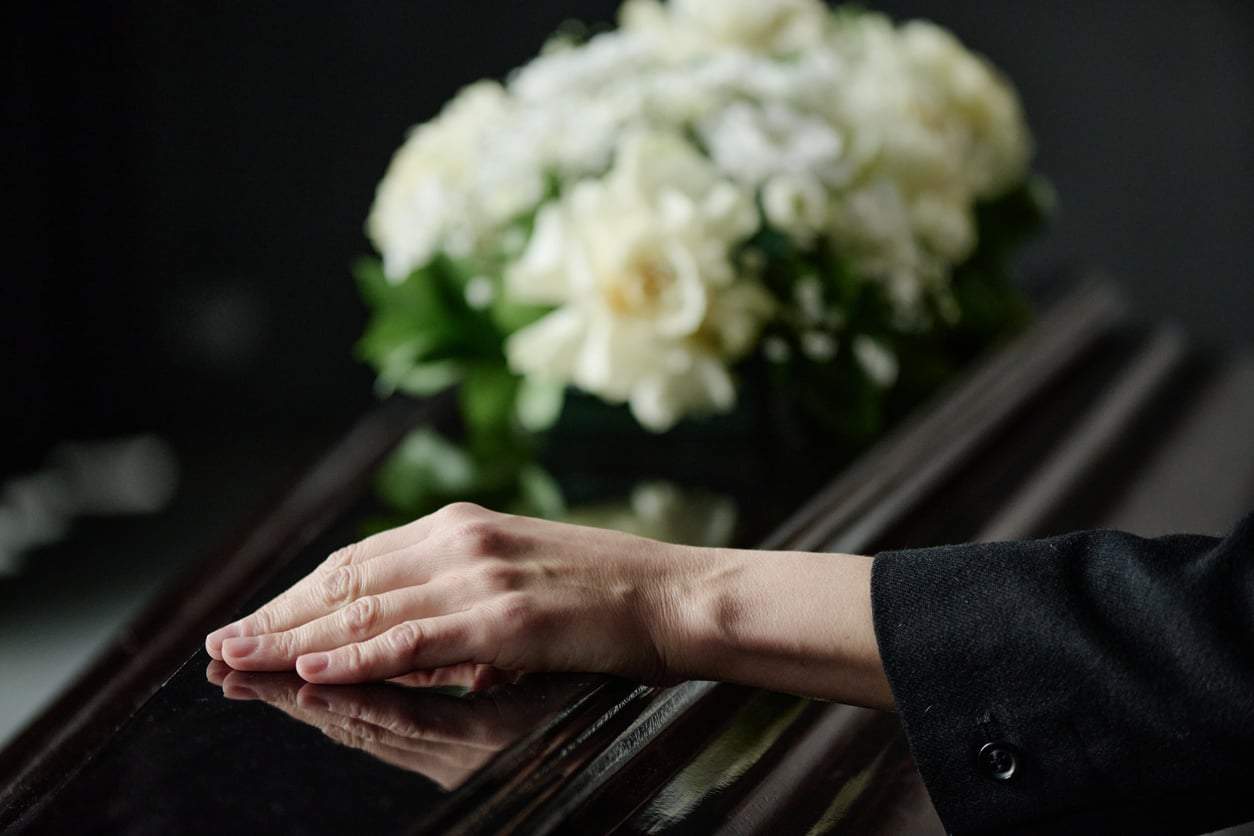
My mother was gripping my arm outside the funeral home when I noticed her. She was around fifty, dressed in a gray coat, holding a single white chrysanthemum. She stood apart from the rest of the family — slightly to the side, as if she wasn't sure she had the right to come any closer. I didn't recognize her. Neither did my mother. I could tell by the way her eyes narrowed when she glanced over.
My grandfather died at eighty-six, quietly, in his sleep — the way everyone hopes to go. Half the neighborhood came to the funeral: old colleagues, his card-playing friends, neighbors who had borrowed his lawnmower for decades. I knew every face standing around that grave. Every face except hers.
The stranger at the graveside
After the service, as the crowd began to thin, I watched her walk to the grave. She set down the chrysanthemum and stood completely still, staring at the photograph we had placed among the wreaths. She didn't cry — not the way the rest of us had been crying all day. It was more like she was quietly closing something inside herself.
I couldn't help it. I went over to her. I asked how she had known my grandfather. For a moment she looked away, as though deciding whether to answer at all. Then she said, softly: "A long time ago. Before his wife." Those few words hit me like the ground had shifted under my feet.
I didn't push further. Standing there at the graveside, in the middle of all that grief, it didn't feel like my place to start pulling at the threads of a stranger's shared past with my grandfather. She must have sensed it too, because after a few quiet words she said goodbye and walked toward the cemetery gate. I watched her go — the gray coat growing smaller in the distance — and thought I might never see her again.
Two weeks later, a letter arrived
But two weeks later, a letter came in the mail. Handwritten, addressed to me by name — even though I had never told her who I was, only that I was his granddaughter. Someone at the cemetery must have pointed me out.
In the letter, she described meeting my grandfather when she was in her twenties, at a countryside dance, before he had ever met my grandmother.
They were together for three years. Then something happened — something she didn't go into detail about — and my grandfather turned to someone else for comfort. That someone else became my grandmother.
At the end of the letter, she wrote that she had never been angry with him. That she had thought of him throughout her life — sometimes just because of a melody, or a certain smell — and when she read of his death in the local paper, she knew she had to go to the funeral, even though no one had invited her.
The story my grandfather never told
I showed the letter to my mother. She was quiet for a long time before she spoke. "Dad never mentioned any of this," she finally said, and there was a kind of pain in her voice I didn't entirely understand at first — as though it wasn't the story itself that troubled her, but the fact that there had been a part of her father's life she had never been allowed to see.
Since then, I keep coming back to the same thought: how little we actually know about the people we believe we know best. My grandfather sat at our Christmas table for seventy years. He told us stories about the war, about working in the factory, about his life with my grandmother. And all along, this other story lived inside him — one he never breathed a word of. Maybe he was ashamed. Maybe he simply thought it wasn't ours to know.
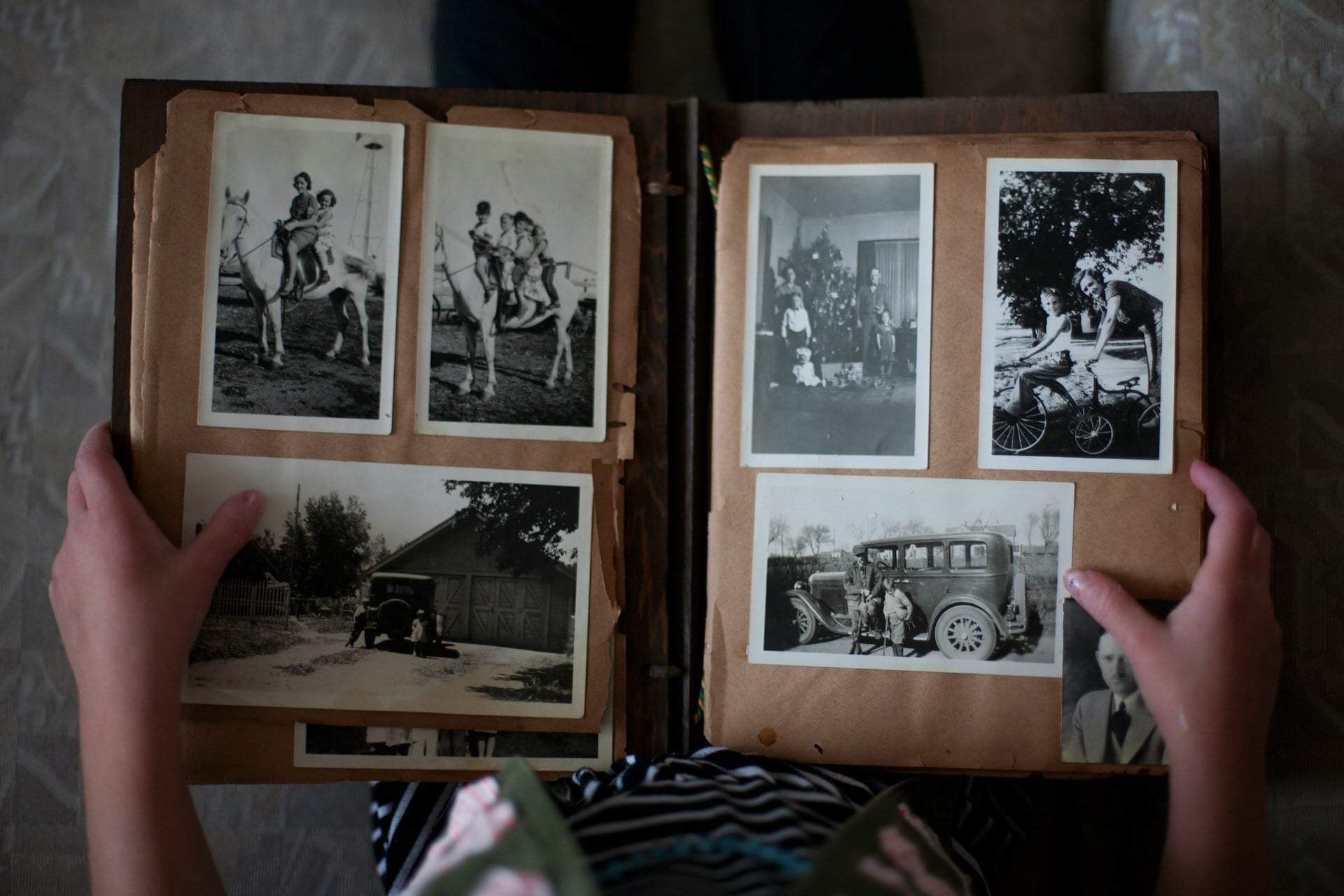
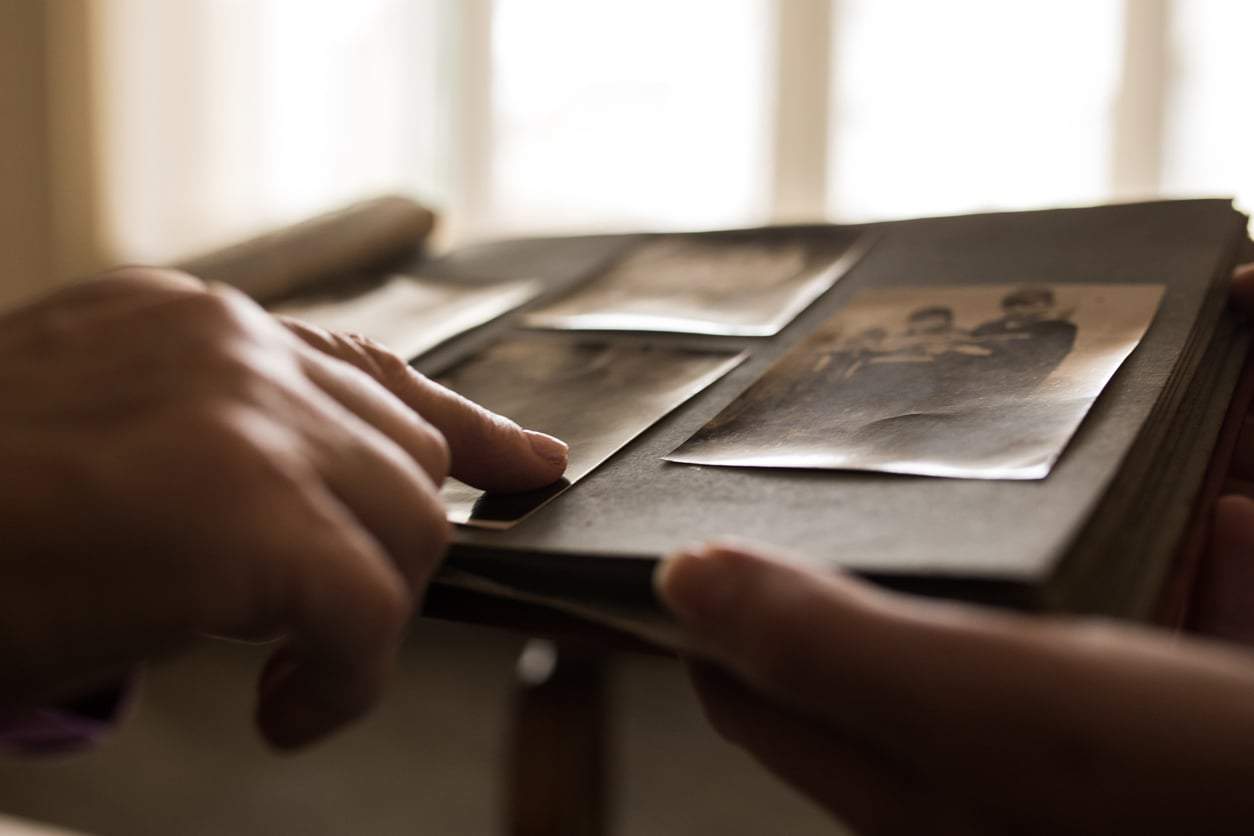
I keep the letter at the back of a drawer. Only my mother has seen it. Sometimes I take it out and read it again, and I try to picture my grandfather in his twenties — at some small-town dance, walking up to a girl he would one day lose. And then, decades later, at his own funeral, she would come back to him one last time, in the form of a single white chrysanthemum.
Did your family ever reveal a secret like this?
Funerals have a strange way of surfacing things that were never meant to be found. If a letter, a stranger, or a quiet confession has ever reshaped the way you see someone you loved, you're not alone. These hidden lives — the ones carried in silence for decades — are more common than any of us realize.
How do you make peace with a secret you didn't ask to know?
There's no clean answer. Some people find that knowing makes a person feel more real, more human — flawed and complicated in the best possible way. Others feel the loss of the simpler version they had. Both reactions are valid. Grief and discovery rarely arrive one at a time.
Is it worth trying to find out more, or is some silence worth keeping?
That depends entirely on what you're hoping to find. If understanding the secret would bring you closer to the person's memory, it may be worth pursuing gently. But if the truth would only cause pain to people still living, sometimes the most loving thing is to let it rest where it was kept — in a drawer, quietly held.