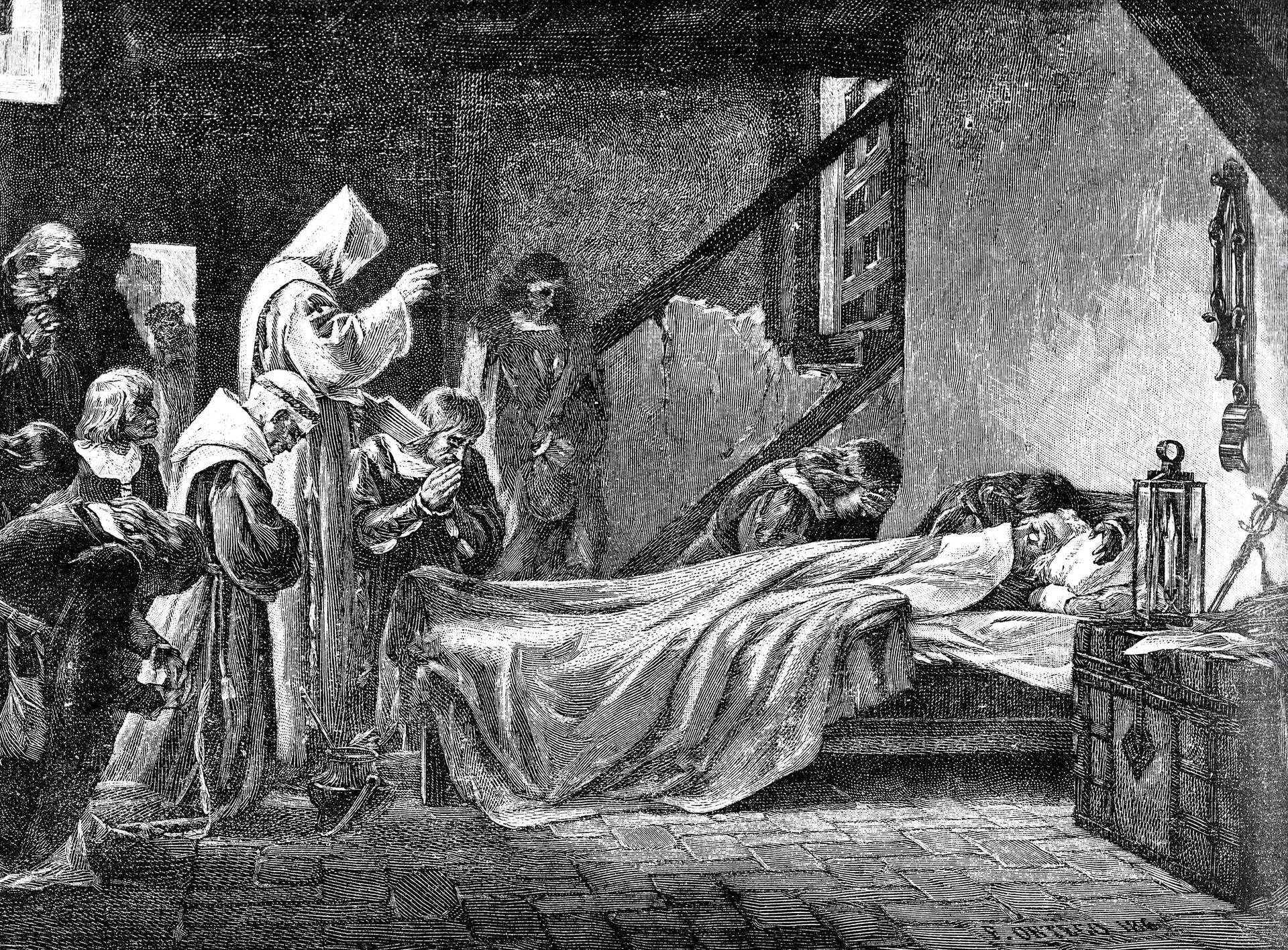
When we hear news about wars and famines, it’s hard to believe, but overall, we’re still living in a fortunate era. This doesn’t diminish the tragedy of those suffering, but more people now enjoy prosperity than ever before. So, which year was the worst to live on Earth? Scientists have an answer!
The Plague Didn’t Even Come Close
Today, the global average life expectancy is around 72 years, though it varies by location. Diseases like smallpox and diphtheria are now preventable, treatable, or even eradicated. The 7.7 billion people on Earth prove how well we’ve adapted, but history had a time when a global disaster nearly wiped out the population — a period so grim it’s called the unluckiest year in human history.
If you think it’s the Black Death in 1349, when half of Europe’s population died, or the 1918 flu pandemic that claimed tens of millions, you’d be mistaken.
Researchers say humanity’s unluckiest year was much earlier, in 536 AD.
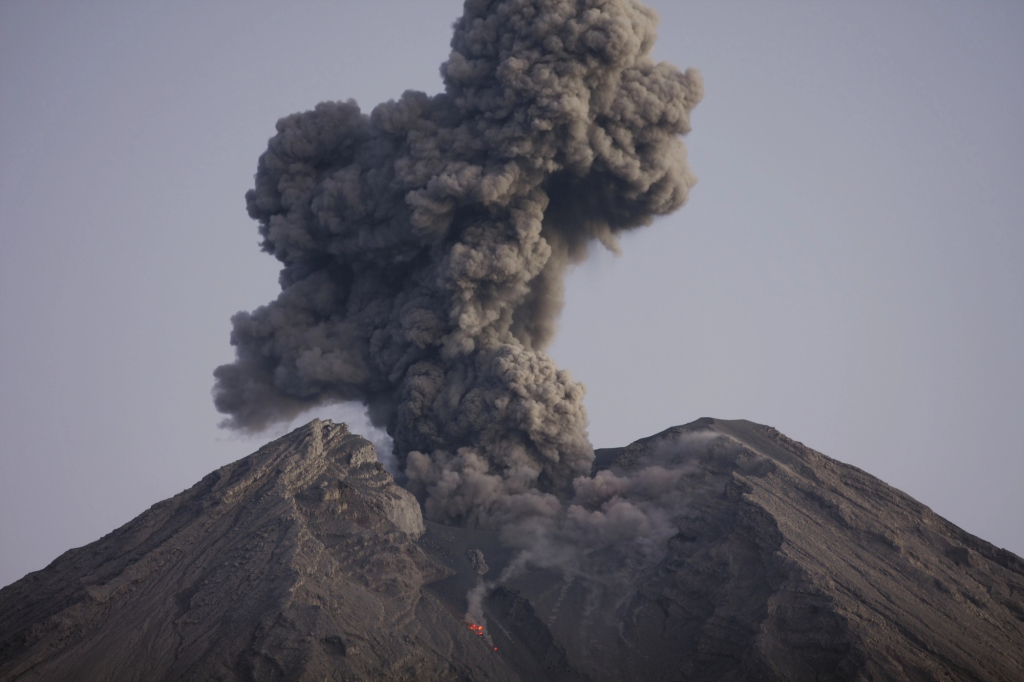
This dark medieval year literally brought darkness: a massive volcanic eruption in Iceland sent an enormous ash cloud into the sky, recorded as a “mysterious fog” that blocked the sun over multiple continents — and this darkness lasted for 18 months!
And That Was Just the Beginning…
The darkness only set the stage. The real disasters followed: without sunlight, temperatures plunged drastically, causing mid-summer freezes in China. Crops failed across Europe, Asia, and the Middle East. An astonishing number of people starved in a short time. Survivors faced more hardship: in 541, the bubonic plague appeared for the first time, long before its better-known 12th-century outbreak. This disease would later wipe out about 33-50% of the Eastern Roman Empire’s population — a grim legacy for a dark era that began in 536.
Modern historians have long known about the “mysterious fog” and the great darkness, but a 2018 study from Cambridge University provided the explanation: it pointed to the Icelandic volcanic eruption.
With the cause of the darkness identified and its consequences better understood, scientists clearly mark 536 as one of humanity’s unluckiest years — not just a terrible year, but the start of a terrible era for humankind.