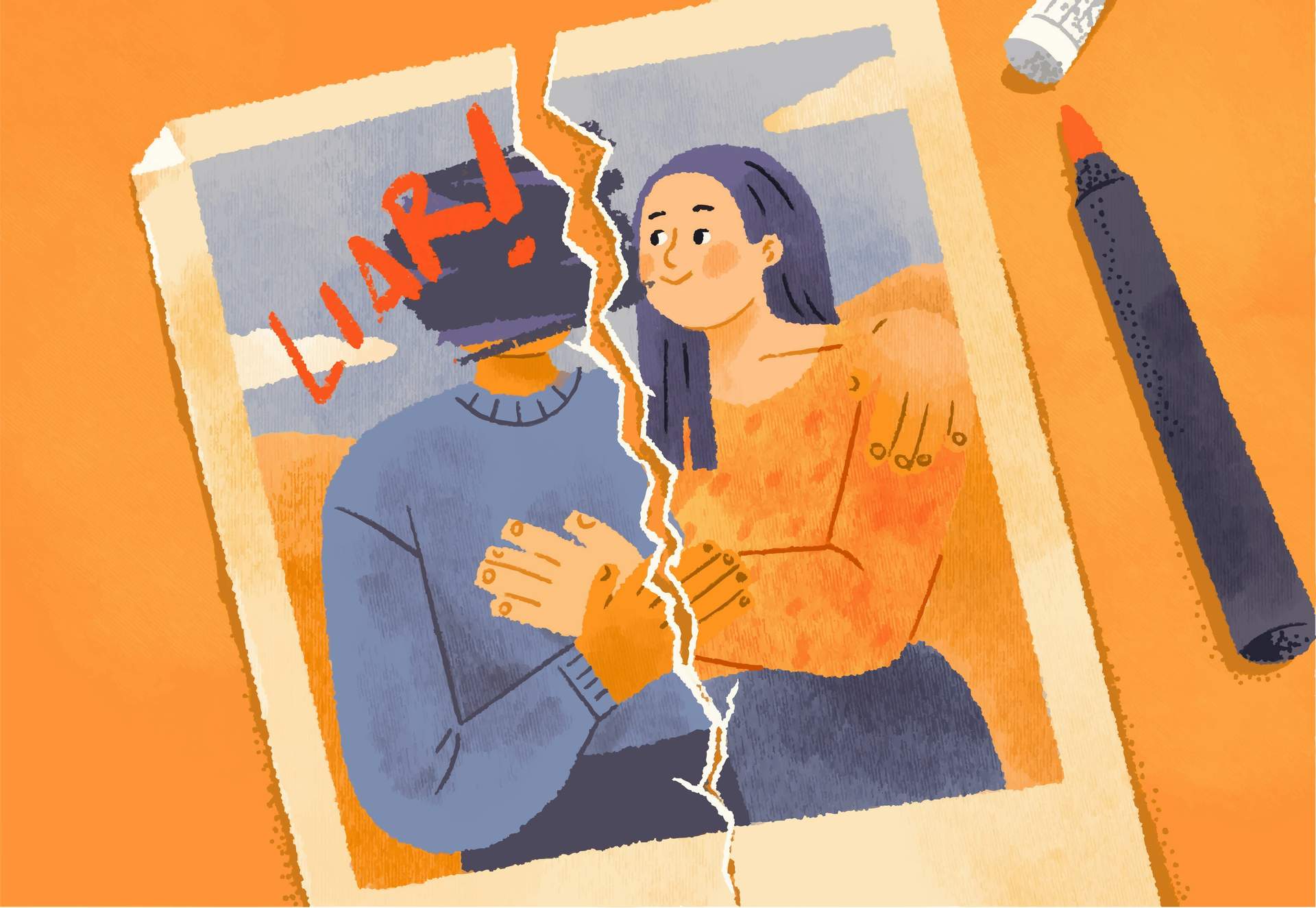
This isn’t an Insta trend—it’s a fetish, and a risky one at that...
In recent years, a unique phenomenon has been gaining ground on social media: the tradwife cult. Short for “traditional wife,” this term describes women who proudly embrace traditional, “old-fashioned” female roles: managing the entire household, dedicating themselves to family life, supporting their husbands, and often prioritizing their partner’s needs over their own careers, ambitions, or personal freedom.
Tradwife videos show spotless homes, frilly aprons, freshly baked bread, and obedient, peaceful smiles—a nostalgic, 1950s-inspired world promising that returning to old roles brings calm and harmony.
Surprisingly, this trend also echoes in a very different space: BDSM culture. Here, the housewife kink—a sensual take on the housewife role—has long existed. In BDSM, this dynamic rarely involves actual chores like washing dishes or vacuuming—though it can. It’s more about a fantasy where a woman—or any participant, since it’s not limited to women—takes on the traditional housewife role erotically, submissive to a dominant partner.

For many women, this role is appealing because it offers a safe space to let go of control, explore vulnerability, and experience a rare sense of release from everyday responsibilities. In BDSM, though, this role is a game—even if it sometimes spills into daily life—a conscious, carefully built, mutually agreed-upon fantasy.
Here’s where the difference between the two worlds really stands out
While tradwives often see themselves as the opposite of feminists—as if rejecting modern women’s movements makes them “real women”—in the BDSM community, it’s common for women who joyfully embrace the housewife role sexually to hold strong feminist values in real life. For them, the key is choice. They decide when, how, and how long to play the role. Freedom to choose is a core feminist principle: doing what we want with our bodies and desires, without anyone else setting the rules.

The biggest difference isn’t in the apron, chores, or appearance. It’s the framework.
In BDSM, even the most extreme dynamics are based on agreements between equals. The woman (or submissive partner) can stop at any time, renegotiate, or completely drop the role. And every ethical BDSM relationship has a safeword—a safety word—that instantly ends the scene without question. This word isn’t just a tool; it’s a foundation of deep trust: clear boundaries, everyone’s safety, and ongoing security.
In contrast, it’s not so easy to leave the tradwife cult. The romanticized role on social media often becomes an economic and social trap in real life.
Many women find themselves without their own income, dependent on their partner, and part of a community that sees leaving or changing the role as “wrong.” The tradwife role then stops being a chosen fantasy and becomes a fixed expectation—without BDSM’s safeword. There’s no space where a woman can say without explanation: stop, this isn’t working for me anymore.
It might sound odd, but compared to the tradwife ideology, BDSM—with all its extremes, handcuffs, and roleplay—is actually much healthier. There, boundaries are always set by the participants, who can reclaim control anytime. In tradwife ideology, that control is exactly what’s lost.
And if we have to choose a game, maybe we’re all better off with the one where the safeword always offers a way out.