He's 36, tall, funny, runs his own business — and he hasn't asked a woman out in years. Not because he doesn't want to. Because he's terrified of what might happen if he does. His story is far from unique.
Trapped by the rules
My friend Gergő is exactly the kind of guy you'd think would have no trouble meeting someone. He's good-looking, has a great sense of humor, and built his own company from scratch. But when he sees an attractive woman sitting alone at a café or walking her dog through the park, he doesn't approach her.
He's heard too many women — online and in person — talk about being tired of men who "bother" them or make them uncomfortable. So he stays back. He doesn't want to be that guy. And the years pass, quietly, alone.
"I never want to make anyone feel uncomfortable," he told me. It sounds considerate. But it's also a kind of paralysis.
Waiting for a signal that never comes
One man put it simply: "I've accepted that women find it intrusive when men approach them out of nowhere. Fine — I'll wait for a sign that she's interested. I'm still waiting."
It's not bitterness. It's a genuine deadlock. He's willing to follow the unspoken rules. He just can't figure out what they are. And no signal ever comes.
Paralyzed — and he's not alone
Another man described it this way: "After enough bad experiences, I gave up on meeting people in real life entirely. And online dating has let me down so many times I've stopped that too. I'm stuck. And I don't think I'm the only one — this feels like a portrait of a whole generation."
He's right. The data backs him up — but we'll get to that.
When someone hits record
At a concert, one man finally worked up the courage to approach a woman he'd been watching from across the room. The moment he said hello, her friend raised a phone and started filming.
He recognized immediately what was happening — he'd seen those videos before. Men being mocked, humiliated, turned into content. He didn't give them the satisfaction. He turned around and walked away without another word.
What should have been a simple, human moment became a threat assessment.
"Ugh. No."
For one man, the breaking point was a single reaction. He politely asked a woman if he could buy her a drink. Her response? A grimace and a disgusted "Ugh. No." — as if he were something revolting.
"If that's what a harmless question gets you," he said, "I'd rather not play at all." Not an angry withdrawal — just a quiet, exhausted one. He stopped trying, and he never really started again.
Public humiliation as entertainment
A man was introduced to a woman at a party. The next day, he sent her a friendly message asking if she'd like to meet up sometime. She strung him along for a few exchanges, then rejected him in a way he described as deliberately cruel.
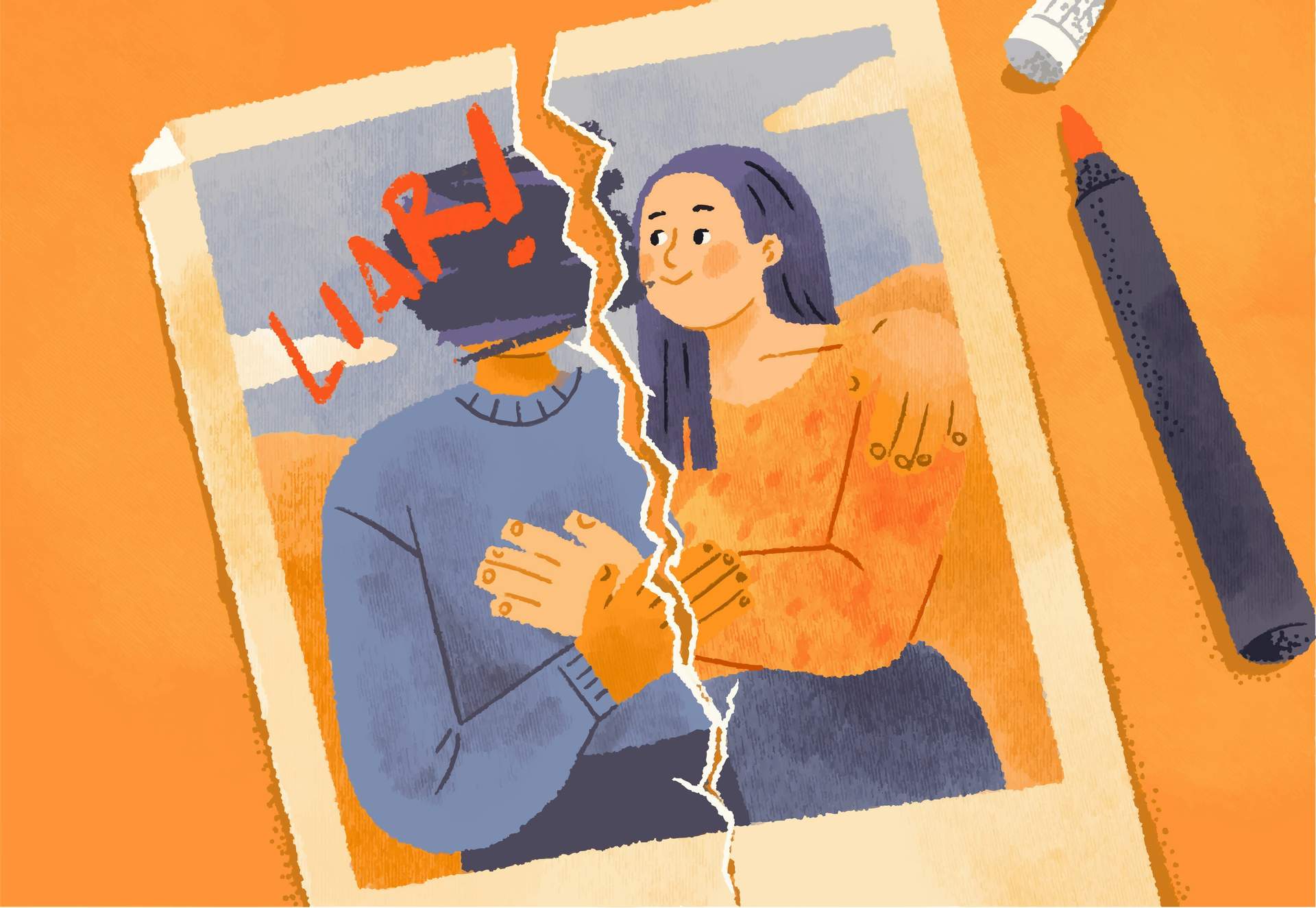
When he calmly pointed out that she could have been kinder about it, she screenshotted their entire conversation and posted it publicly. Her friends piled on in the comments. He hadn't done anything wrong — but that didn't matter. The humiliation was the point.
This kind of story is becoming less of an exception and more of a pattern.
It didn't used to be like this
"I'm 38," one man wrote. "When I was young, getting rejected was painful — but it was private. Just between me and her. Now there's a real chance you end up as a joke in front of hundreds of strangers."
A friend of his asked a woman out on a date. It didn't go well — not because he was rude or aggressive, simply because they weren't compatible. The next day, she wrote a lengthy post on Facebook describing the date in mocking detail. He wasn't a bad person. He was just content.
When it goes right
Not every story ends badly. One man, emboldened by New Year's Eve and a glass of champagne, finally approached a woman he'd been too shy to talk to for years. She told him, gently, that she had a boyfriend — but then added something that stayed with him.
"She said she appreciated my courage, because these days it's rare to find a man with enough confidence to actually do this."
A rejection that felt, somehow, like a small victory. Because she saw him. She didn't film him.
What men actually want to say
One man summed it up with a quiet kind of dignity: "A man should be able to ask a woman for coffee without becoming a punchline or a public example. Asking someone out isn't harassment — it's interest. Rejection stings. But it shouldn't have to destroy us."
That's not an unreasonable thing to want.
The numbers behind the silence
As a male psychologist, I work with these issues every day — and the data is genuinely sobering.
44% of American men say they're afraid of being labeled a "creep" or seen as intrusive if they approach a woman. That's nearly half of all men — not a paranoid fringe.
And yet: 77% of women aged 18 to 30 say they wish men would approach them more often in real life. Among women aged 30 to 40, that figure is still 68%.
There is a profound disconnect happening — and it's getting worse with every generation. Among Gen Z men, 45% had no romantic relationship during their teenage years. For Millennials it was 33%, for Gen X it was 23%, and for Boomers just 20%. Each generation is entering adulthood with less relational experience than the one before.
The fear of public shaming — amplified by social media — is quietly reshaping how men and women connect. Or fail to. And the cost of that silence is being paid by everyone.