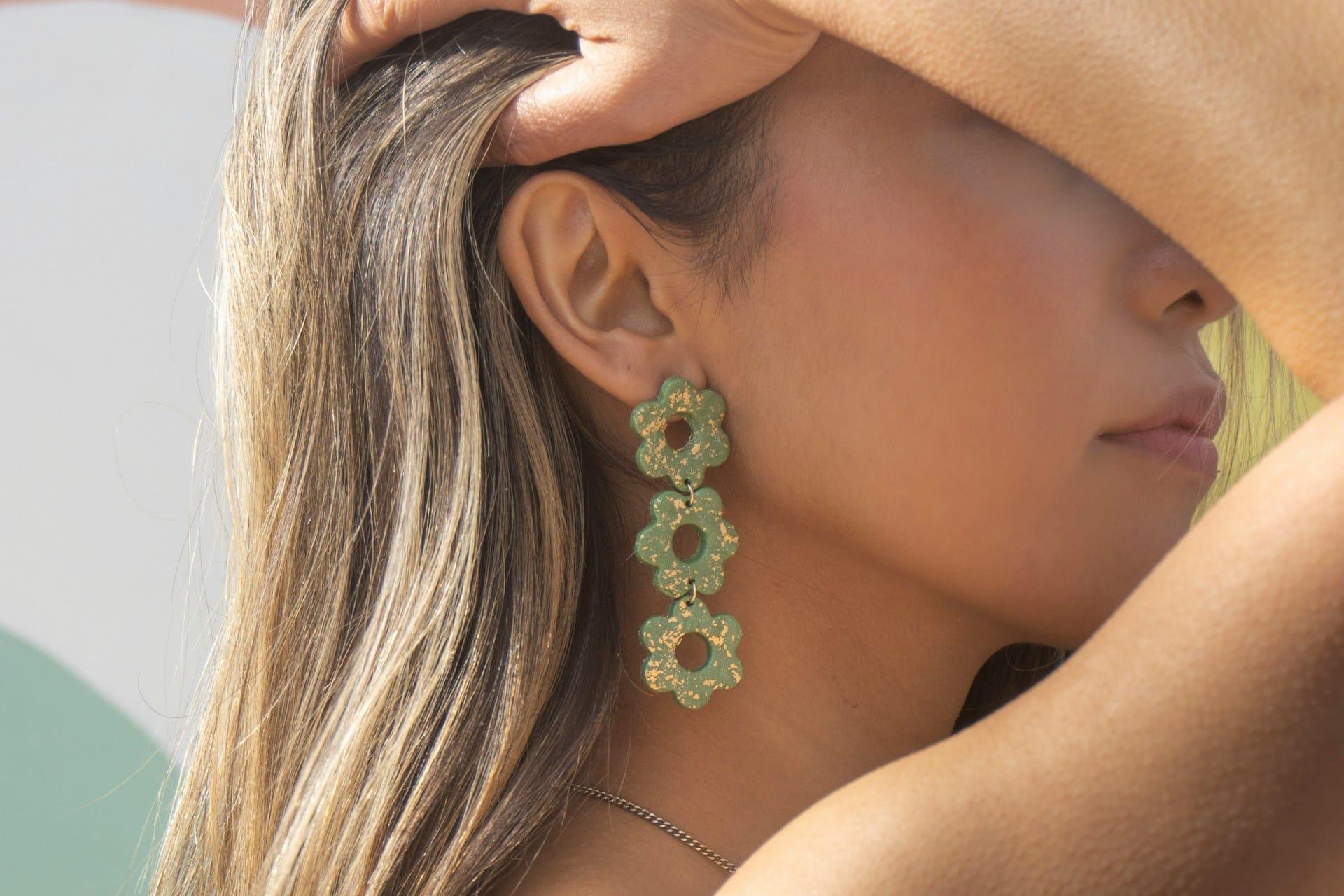
Our ears often get overlooked when assessing our health, yet they can reveal subtle signals packed with important insights about our well-being.
The Earlobe and Heart Health
Over the past decades, research has shown a link between earlobe creases and cardiovascular diseases. Some studies suggest that a diagonal crease on your earlobe might indicate a higher chance of heart issues. While it doesn’t mean everyone with this sign has heart problems, it’s definitely worth paying attention to.
This connection first came to light in the 1970s when American physician Sanders T. Frank proposed it. Since then, multiple studies have supported the idea that earlobe creases could signal coronary artery disease. The exact reasons remain unclear, but it’s likely related to stiffening blood vessels and the body’s natural aging process.
Ear Shape and Genetic Conditions
Many genetic disorders show physical signs in the shape and position of the ears. For example, people with Down syndrome often have ears that sit lower or are smaller than usual. Changes in ear shape and structure can also hint at other genetic conditions like Turner syndrome or Noonan syndrome.
Spotting these signs early is key. Parents and doctors should keep an eye out for these subtle but meaningful clues. Early diagnosis can make timely care and treatment easier and more effective.
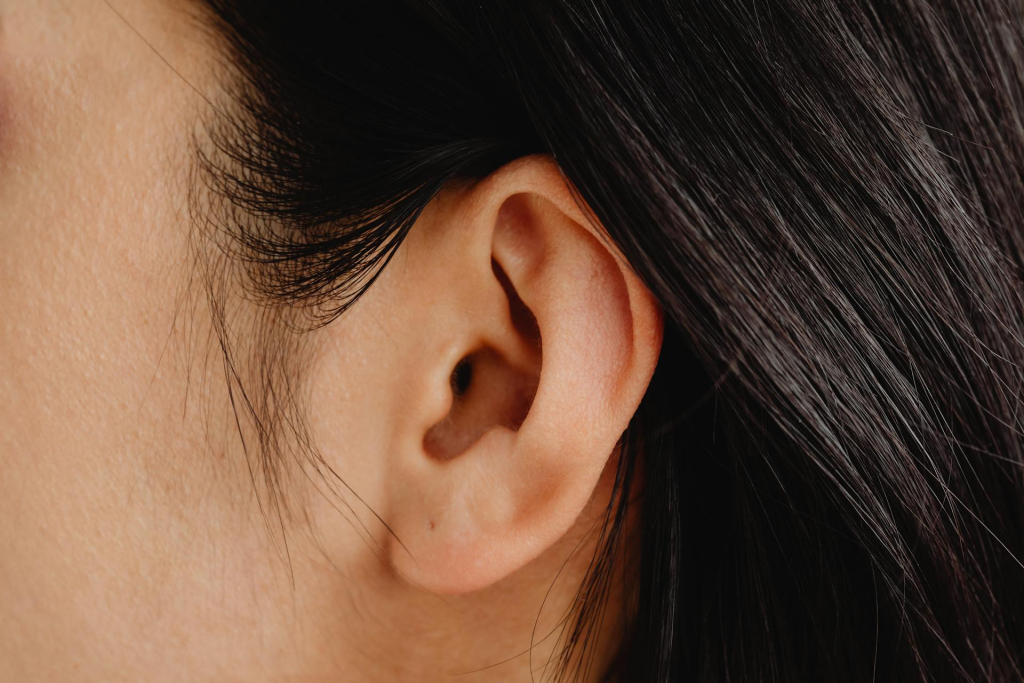
Skin Conditions Showing on the Ear
Small flakes or rashes on the ear’s surface can signal skin issues. Eczema and psoriasis often appear on or behind the ears. Noticing these signs early can help you tackle skin problems before they get worse.
If you spot unusual changes on or around your ear, it’s a good idea to see a dermatologist. They can diagnose the issue and recommend the right treatment. Sometimes allergies cause these changes, so checking your jewelry and cosmetics is also important.
Changes in Hearing and What They Mean
Sudden hearing loss or ringing in the ears can point to more serious health concerns. These symptoms often relate to circulation problems or neurological issues and may require urgent medical attention.
Tinnitus, or ear ringing, might indicate circulation issues in the inner ear or damage to the auditory nerve. Getting it checked and treated early is important because underlying problems could increase the risk of hearing loss. If you notice these symptoms, don’t hesitate to consult an ear, nose, and throat specialist as soon as possible.
Signs of Overall Health in Your Ears
Changes in the color and texture of your ears can reveal a lot about your health. Very pale ears might suggest anemia, while darker discolorations often point to circulation issues. Differences in skin tone and texture could also signal vitamin deficiencies or poor nutrition.
To support your long-term well-being, it’s smart to regularly tune into these subtle signals from your body. Balanced nutrition, regular exercise, and monitoring your overall health all play a role in keeping you thriving.