Most of us step into the shower every single day without a second thought. It's automatic, almost ritualistic. But dermatologists have been saying something that might genuinely surprise you — and it has real implications for your skin's health.
Showering is about more than just cleanliness
Bathing isn't purely a physical act. For many people, it's a psychological ritual — a way to wake up in the morning or mentally close out the day. The warmth, the steam, the pressure of the water: it all feels good, and that feeling is real.
But here's the thing: what feels good in the moment isn't always what's best for your skin. Dermatologists are increasingly clear on this point — showering too often can actively harm your skin's natural defenses.
What experts actually recommend
The expert guidance might catch you off guard. According to dermatologists, the ideal showering frequency for most people is far less than daily.
For people who don't exercise regularly or do physically demanding work, dermatologists recommend showering just two to three times per week.
The reason comes down to your skin's natural lipid barrier. Frequent washing strips away the protective oils your skin produces to shield itself from environmental stressors. When that barrier is compromised — especially with hot water and harsh cleansers — the result is irritation, dryness, and increased sensitivity.
It depends on your lifestyle
Of course, no single rule applies to everyone. Athletes and people who sweat heavily through physical work genuinely need to shower more often to maintain basic hygiene — and that's completely fine.
On the other end of the spectrum, older adults and people with sensitive skin need to be especially careful about over-cleansing. Sensitive skin is already prone to dryness and irritation, and excessive washing only makes things worse.
The key is to match your showering habits to your actual daily activity — not to a social expectation.
Why your skin's natural barrier matters so much
Your skin is your body's first line of defense against the outside world. Central to that defense is the lipid layer — a thin but crucial barrier that locks in moisture and keeps irritants out.
Every time you aggressively remove that layer — through frequent showering, hot water, or strong soaps — your skin can become dry, reactive, and vulnerable.
This is why dermatologists consistently recommend lukewarm water over hot, and gentle, moisturizing cleansers over anything harsh or heavily fragranced.
Smarter alternatives if you can't skip the daily shower
If skipping a shower entirely feels impossible, there are ways to protect your skin while keeping your routine. A quick rinse with lukewarm water — rather than a long, hot shower — significantly reduces the drying effect while still leaving you feeling fresh.
Another practical approach: instead of a full shower, focus on spot-cleaning the areas that actually need it — your face, underarms, and feet. These are the zones most prone to sweat and odor, and targeting them keeps you feeling clean without exposing the rest of your skin to unnecessary washing.
What to do if dryness is already a problem
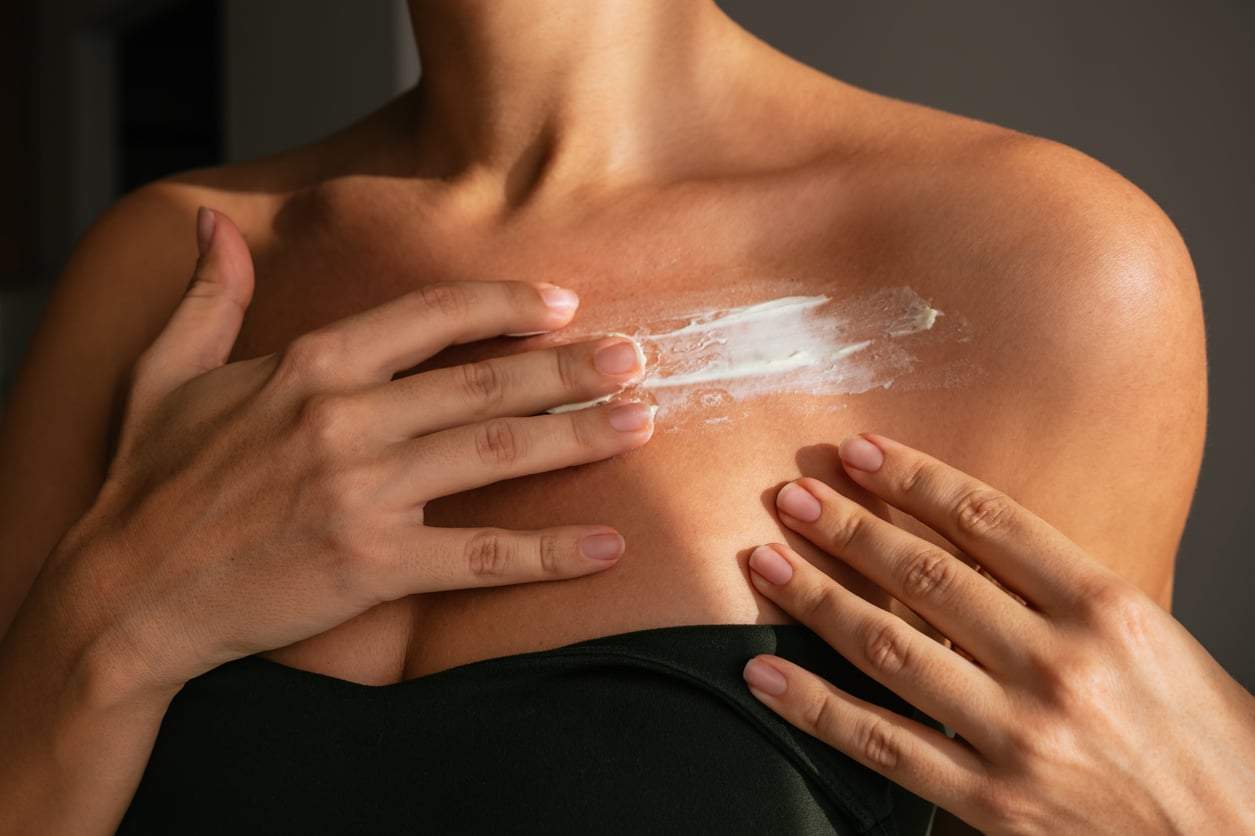
If your skin is already dry or irritated, the way you care for it after showering matters just as much as how often you shower. Applying a moisturizer, body oil, or cream immediately after washing — while your skin is still slightly damp — helps seal in hydration and rebuild the protective barrier.
Dermatologists also recommend switching to gentle, hydrating cleansers enriched with ingredients like aloe vera or jojoba oil. These help clean without stripping the skin's natural oils — which is exactly the balance your skin needs to stay healthy long-term.