Ingrown hairs, redness, irritation — sound familiar? For many women, these frustrating side effects feel almost inevitable after hair removal. But they don't have to be. The real secret to smoother, calmer skin isn't what you do during hair removal — it's what you do before.
Why prepping your skin actually matters
Skin preparation before hair removal isn't just a nice extra step — it's what separates a smooth result from a bumpy, irritated one. When your skin is properly cleansed and exfoliated, hairs come out more easily and cleanly. That means less trauma to the follicle, and far less chance of hairs curling back under the skin as they regrow.
A good pre-removal routine also reduces redness and sensitivity, making the whole experience more comfortable from start to finish.
Start with a proper cleanse
Before anything else, cleanse the skin thoroughly to remove sweat, excess oil, and any product buildup. Choose a gentle, pH-balanced cleanser that won't strip or dry out your skin.
One thing worth paying attention to: avoid hot water. It may feel relaxing, but it dries out the skin and increases sensitivity. Lukewarm water is the sweet spot — it cleanses effectively while also softening the hair, making removal easier.
Exfoliation is the step you can't skip
If there's one step that makes the biggest difference, it's exfoliation. Removing dead skin cells before hair removal opens up the follicles, smooths the skin's surface, and helps hairs lift away cleanly — rather than snapping off or growing back trapped beneath the skin.
You have two main options, and both work well:
Physical exfoliation
A fine-grain scrub or an exfoliating mitt will buff away dead skin cells effectively. Just be careful not to scrub too aggressively — gentle, circular motions are enough. Over-scrubbing can cause micro-irritation that makes hair removal more uncomfortable.
Chemical exfoliation
Products containing AHA or BHA acids dissolve dead skin cells without any friction at all. They're especially good for sensitive skin and can also help keep pores clear between sessions.
Experts recommend applying stronger exfoliating treatments the day before hair removal, not immediately before — this gives any sensitivity time to settle so your skin is calm and ready.
Don't forget to moisturize
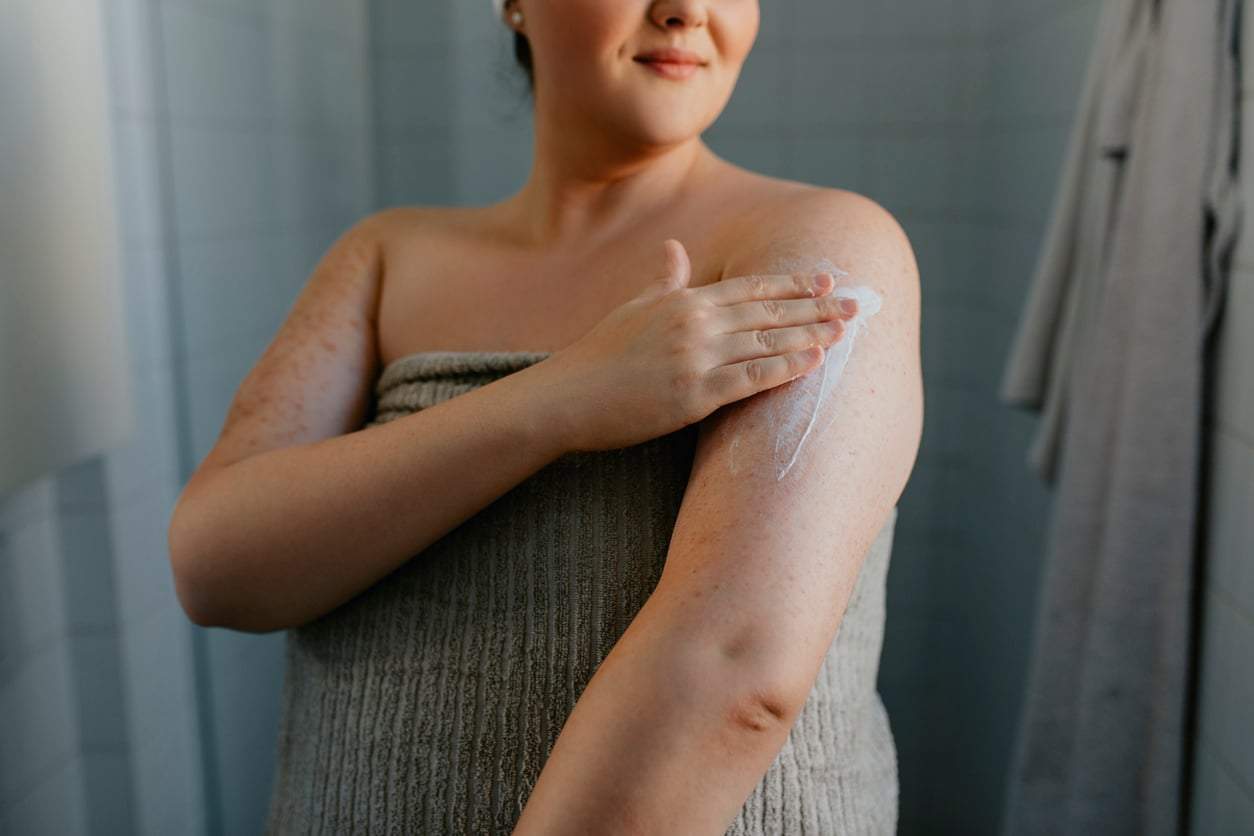
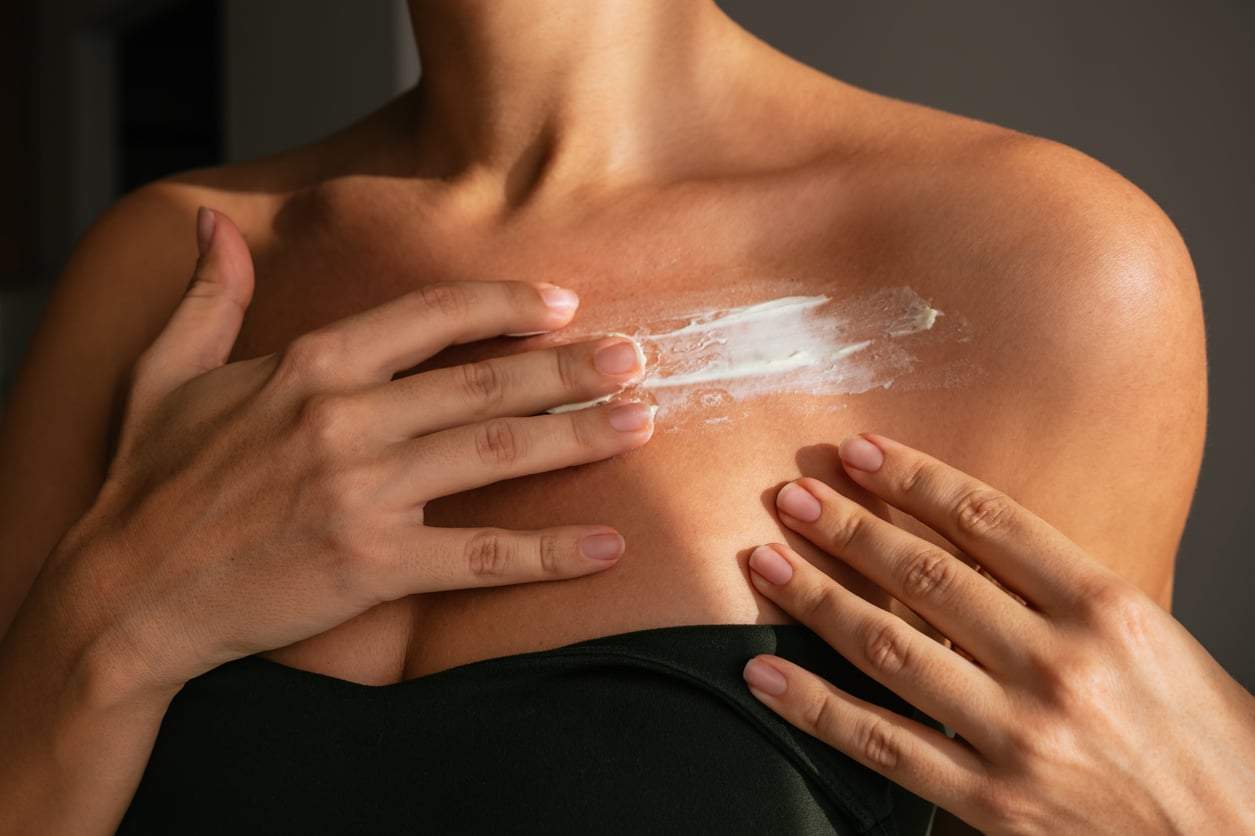
Well-hydrated skin is more supple and resilient, which means it handles the stress of hair removal better. Regular moisturizing in the days leading up to your session can reduce the likelihood of hairs breaking at the surface rather than being removed cleanly from the root.
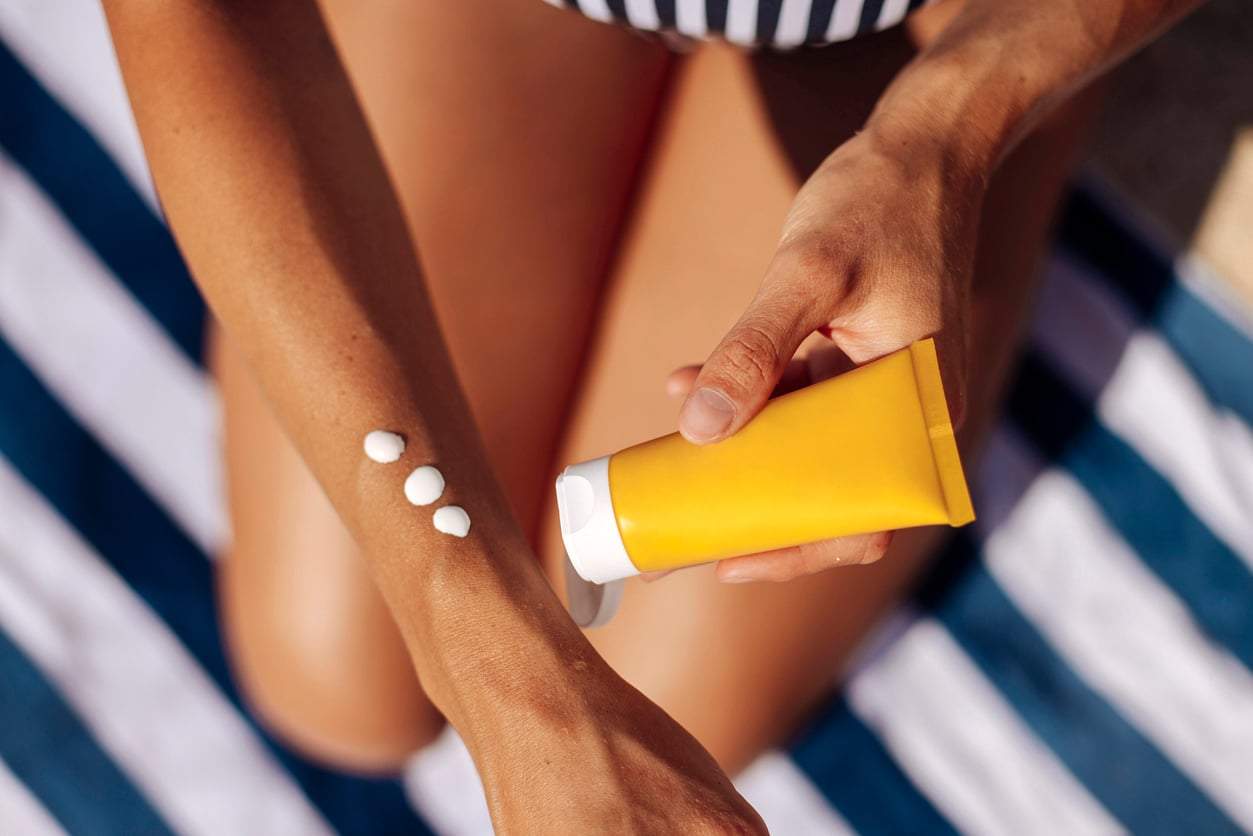
Choose a lightweight, fast-absorbing body lotion for daily use. However, avoid rich, oily products right before hair removal — they can interfere with waxing adhesion or cause a razor to glide unevenly.
Extra tips for consistently smooth skin
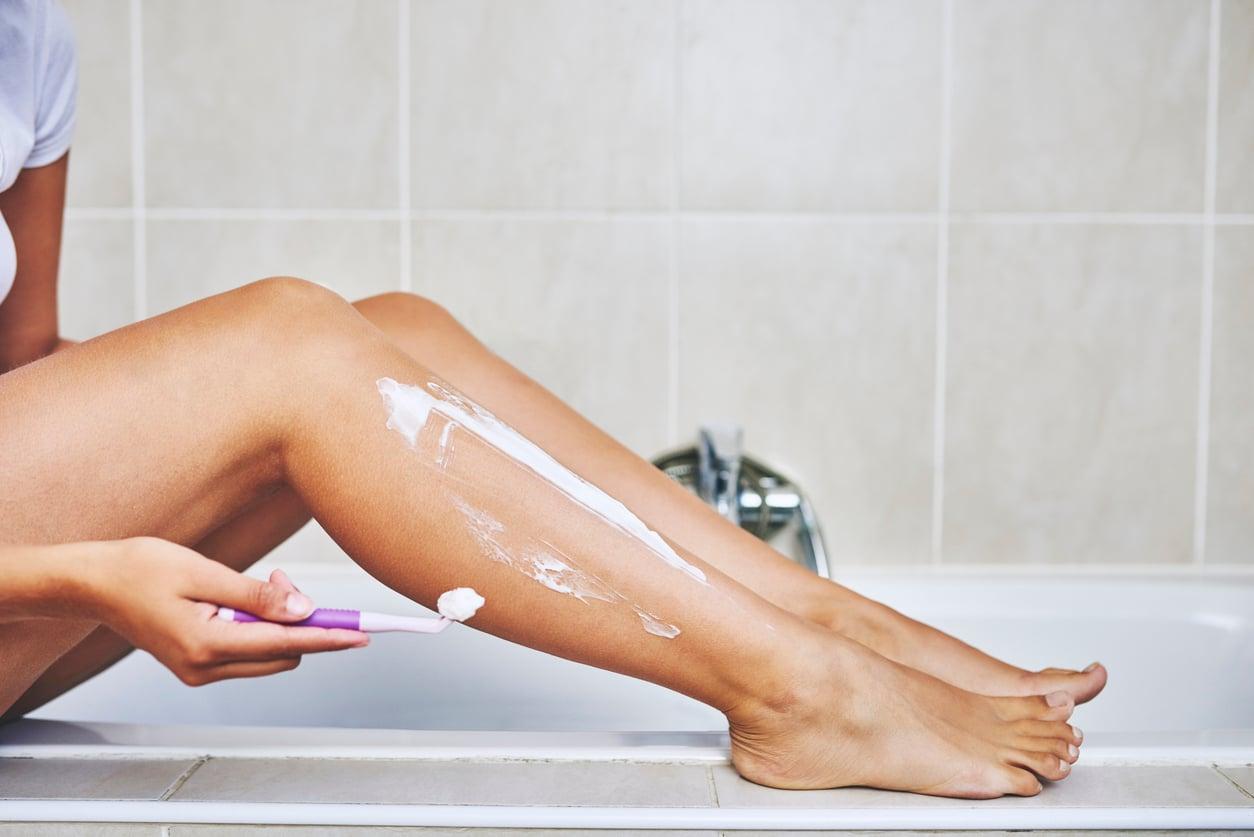
- Always use a sharp, clean razor and replace the blade regularly — a dull blade drags and causes far more irritation.
- Shave in the direction of hair growth, especially on sensitive areas, to minimize friction and ingrown risk.
- Wear loose clothing after hair removal to reduce friction on freshly treated skin.
- Exfoliate one to two times per week as part of your regular routine to prevent follicles from becoming blocked.
- Never pick at ingrown hairs — it can cause inflammation, infection, and scarring.
The bottom line
Fighting ingrown hairs doesn't start on the day of your appointment or the moment you pick up a razor. It starts days earlier, with consistent cleansing, gentle exfoliation, and proper hydration. Build these habits into your routine and you'll notice a real difference — smoother skin, less irritation, and results that actually last.