You probably check the wash, the leg width, and the price. But the one detail that quietly decides whether a pair of jeans flatters you or not? Where the back pockets are stitched.
The fashion industry figured this out a long time ago. The most sensitive point of a pair of jeans isn't the fabric or the fade — it's the exact position of those back pockets. Shift them a couple of centimeters, and the whole silhouette changes. The effect is far bigger than most people ever realize.
Pocket placement isn't an aesthetic whim. It's a deliberate design decision. Pattern engineers calculate to the millimeter where the seams should sit, because the eye naturally locks onto any break or detail on a surface. Put a pocket in the wrong spot and it can throw off even the most flattering figure. Put it in the right spot and it lifts and shapes exactly where most people want it.
Why do a few centimeters matter so much?
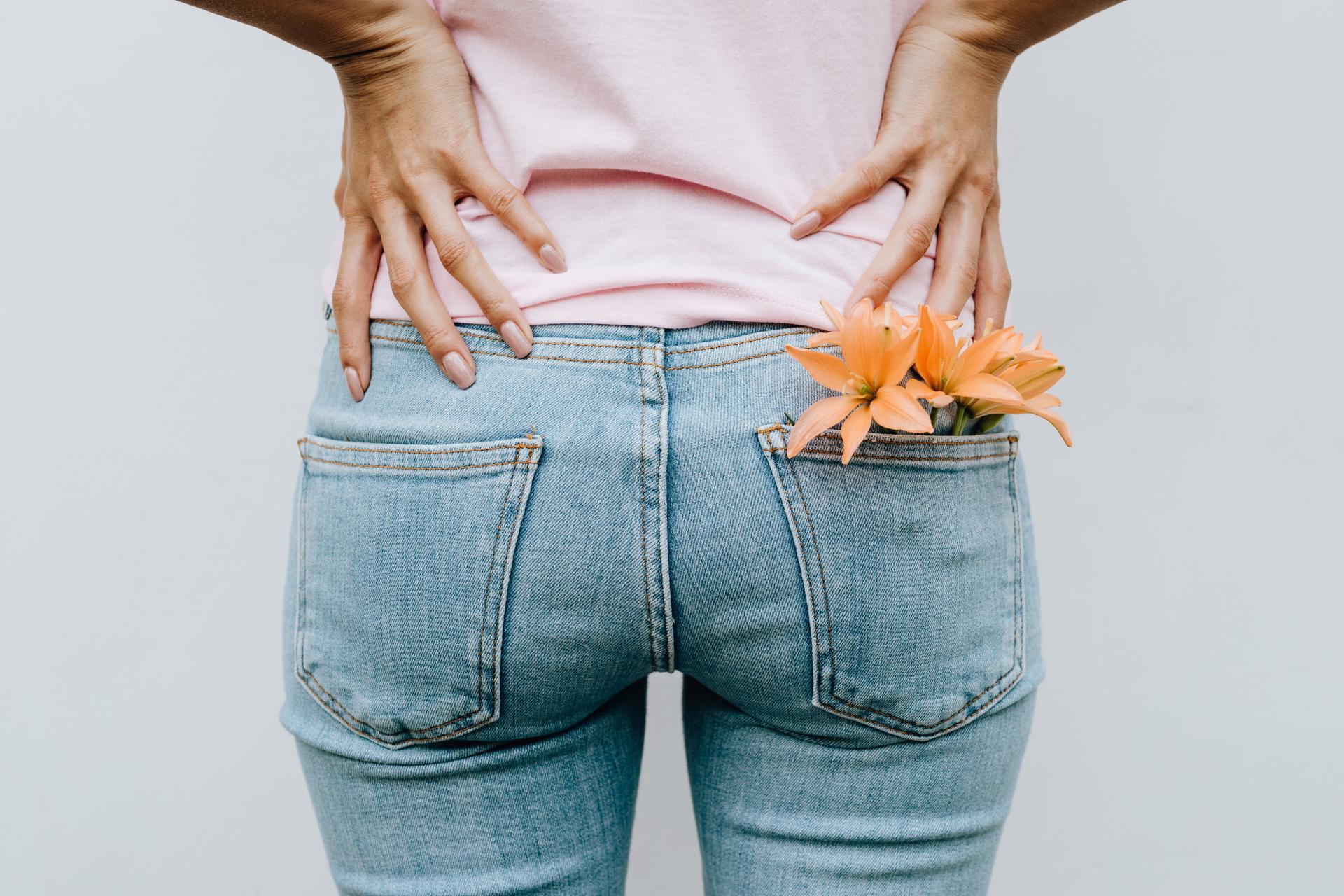
The eye always follows the pattern and the seam line. On the back of a pair of jeans, the pockets sit right where your backside is widest and most prominent — so every small shift shows up instantly.
If the pockets sit too low, they can make your shape look saggy and flat. Too high, and the effect turns stretched and less natural. The right position isn't decoration. It's what actually shapes the look.
High and close together
Jeans with pockets set relatively high and close to each other visually lift and round the backside. You'll see this cut often on high-waisted, fitted styles, where the goal is to make the rear look firmer and more sculpted.
Some high-waisted Levi's models show exactly this approach: the pockets are pulled slightly inward and upward to draw the shape together and lift it. If a rounder, perkier look is what you're after, this is the placement to hunt for.
Wide and pulled outward
When the pockets are stitched far apart, pulled out toward the hips, the shape can look wider and flatter. This is common on jeans built for a relaxed, streetwear vibe rather than a body-shaping fit.
If you want a fuller, curvier effect, be careful with this type — try them on properly. Wide-set pockets can easily flatten the very thing you were hoping to emphasize.
Angled, curved pockets
Slightly tilted, curved pockets rely on a clever optical trick: the eye follows the arc, which lends a natural roundness to the shape. Plenty of premium brands, including True Religion and Frame, love this solution on their fitted cuts.
The curved pocket outline almost traces the natural line of the backside, adding shape without ever looking obvious.
The classic straight, centered pocket
The traditional straight-cut, centered pocket is the least shaping option — but in return, it's the most timeless and the most universally flattering across body types.
It doesn't lift or widen much; it just gives a neutral backdrop. That makes it ideal for anyone who doesn't want the jeans to draw extra attention to the rear, but still wants a polished, balanced overall look.
How to choose for your own shape
In the mirror, looking at jeans from the front is never enough. Always check the back pocket position from the side and from behind, ideally in natural light — dressing-room spotlights can distort what you see.
If you have a flatter shape, high, close-set, or curved pockets can help add volume and roundness. Fuller figures often suit the classic straight placement better, since it doesn't spread the emphasis where you don't want it.
The position of your back pockets is a tiny graphic element, yet it often decides why one pair fits perfectly while another — same size, same brand — never quite sits right. Next time you're in the fitting room, take a few extra seconds to notice exactly where those little pockets landed.
Where should back pockets sit to make my butt look better?
Pockets placed relatively high and close together tend to lift and round the backside, while curved pockets add a natural sense of roundness. Both are good choices if you want a perkier look.
Which pocket placement is the most flattering for everyone?
The classic straight, centered pocket is the most timeless and universally flattering. It doesn't lift or widen much, but it works across almost every body type and gives a balanced look.
Why do wide-set pockets flatten the shape?
When pockets are pulled far apart toward the hips, they draw the eye outward, which can make the backside look wider and flatter. It's common on relaxed, streetwear-style jeans.
How should I check pocket placement when trying on jeans?
Don't judge jeans from the front only. Look from the side and behind, preferably in natural light, since dressing-room spotlights can distort how the pockets and shape appear.