The Allure of Unavailability
We’ve all wondered at some point: why are we attracted to those who seem emotionally out of reach? Exploring this topic reveals a variety of answers, as diving into the mysteries of the human psyche uncovers many fascinating insights.
The desire for unavailability often stems from our own emotional needs. A 2020 study published in the Journal of Social and Personal Relationships highlighted that people are often drawn to unavailable partners because they see it as a challenge and try to boost their self-worth by bridging the emotional gap.
The Role of Challenge and Self-Worth
Theories suggest that the appeal of emotionally unavailable people comes from seeing ourselves in them and viewing emotional closeness as a challenge. This is especially common among young adults seeking affirmation in their identity and self-esteem.
Renowned American psychologist John Gottman studied the dynamics of relationships and found that the more uncertain a relationship feels, the stronger our attraction to the partner can become.
This is the so-called "dissatisfaction paradox," where a sense of lack drives us.
How Emotional Unavailability Affects Relationships
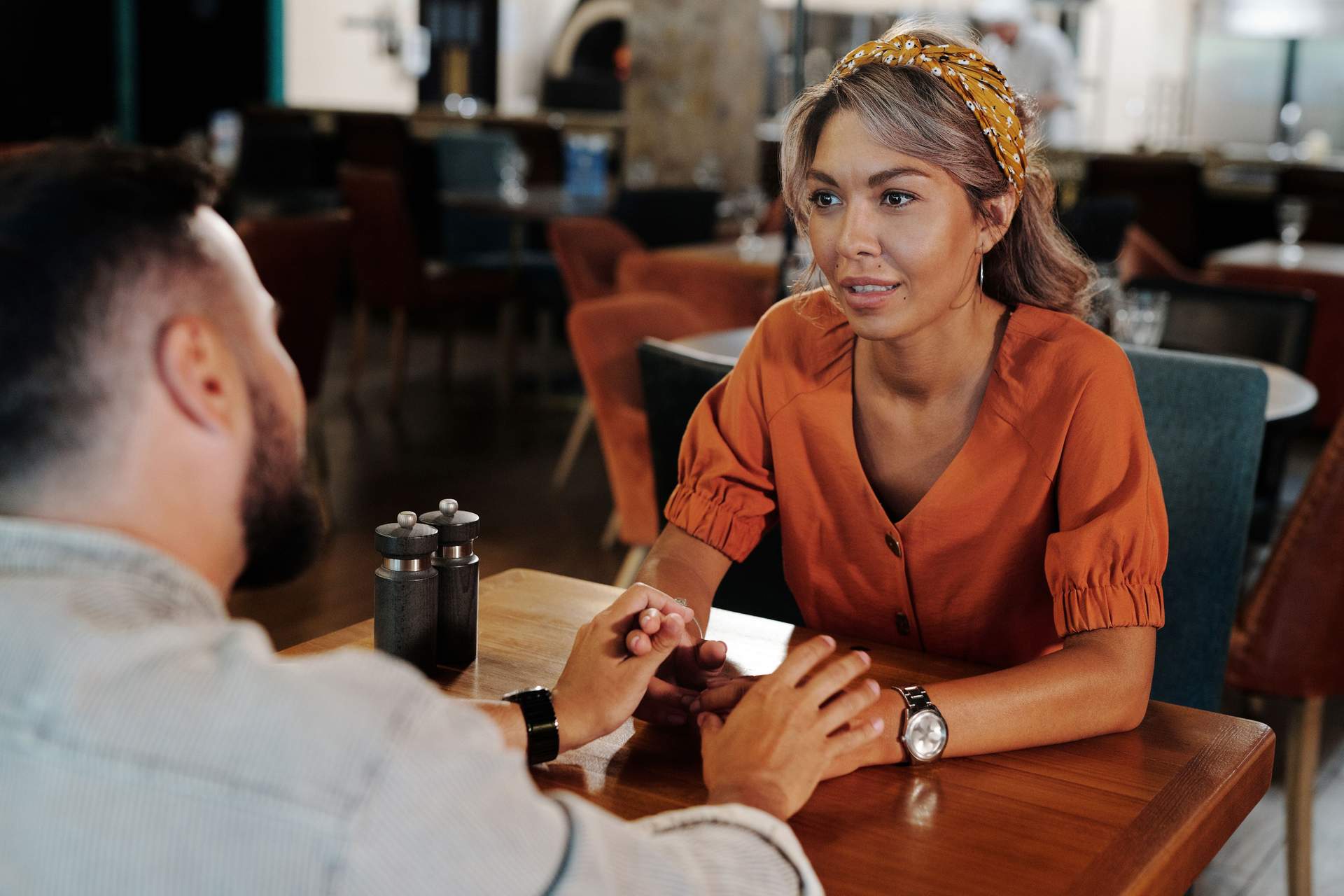
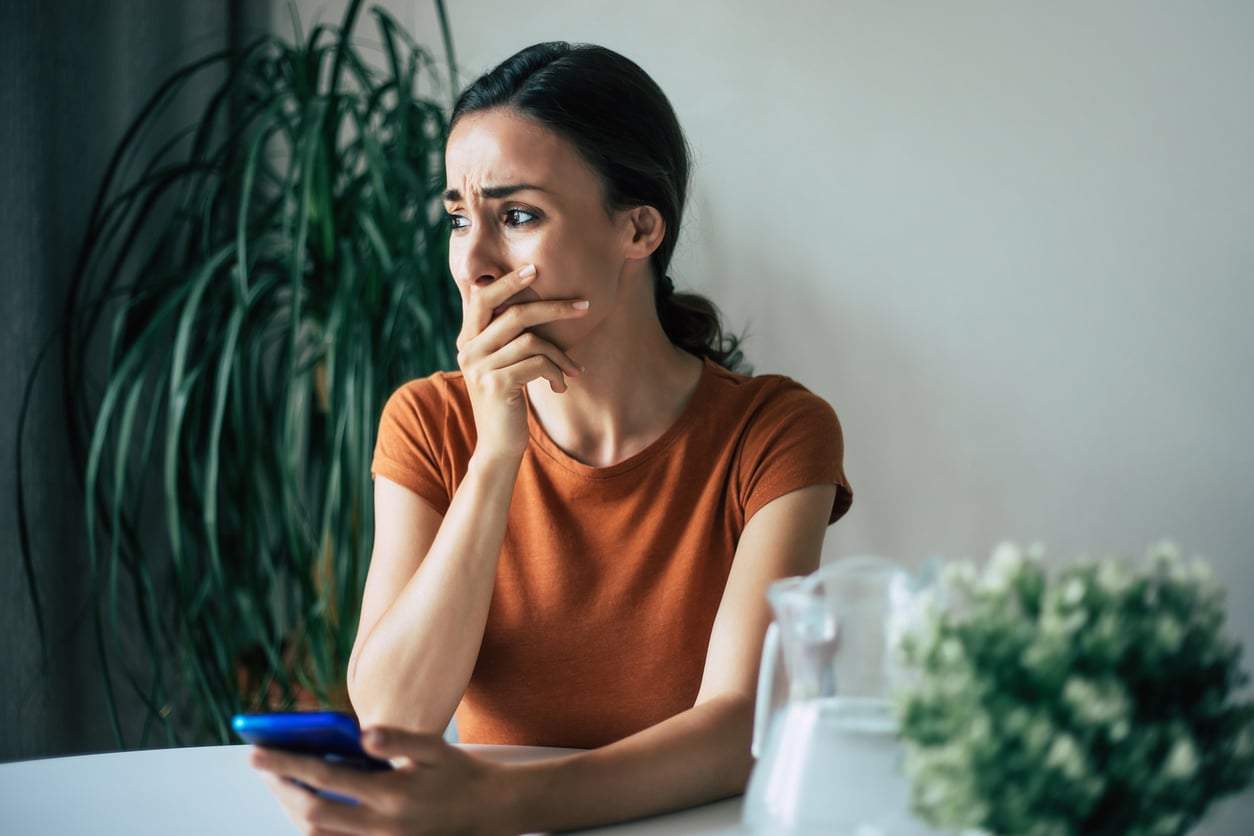
Emotional unavailability can create a self-perpetuating cycle in relationships. As partners try to get closer, the emotionally unavailable person may become more distant, prompting repeated attempts from the other side.
Experts in team building and therapy confirm that these patterns often lead to long-term dissatisfaction, increasing stress levels and negatively impacting both partners’ lives.

Breaking the "Vicious Cycle"
Relationships with emotionally unavailable people often create endless loops that block harmony. The first step toward change is recognizing your own emotional needs and openly communicating them to your partner.
Therapeutic sessions can also help you understand what influences your emotional bonds and guide you toward balanced, mutually fulfilling relationships.
Our Future and the Power of Choice
A relationship truly matters when it supports both partners’ needs and desires. Attachment to emotionally unavailable people often leads to long-term unhappiness, so staying open to change and seeking positive new relationship patterns is key.
Remember, healthy relationships are built on communication, understanding, and respect. If these are missing, it’s worth reflecting on whether you’re on a path that will bring lasting happiness.