At first, a friendship with a big age gap might feel unusual: “What could I possibly have in common with someone at a very different life stage who’s been through completely different experiences?”
Yet, when life brings us together with someone where age isn’t the main bond but shared interests, mutual understanding, and emotional safety are, it becomes clear: age really is just a number. In fact, what can sometimes be a challenge in romantic relationships often turns into an advantage in friendships — the age difference can add a unique spark that might even be life-changing for both people. Maybe it’s more than coincidence: research suggests that when friendships transcend age groups and focus on genuine, deep human connection, something truly special is born.
Friendships That Span Generations
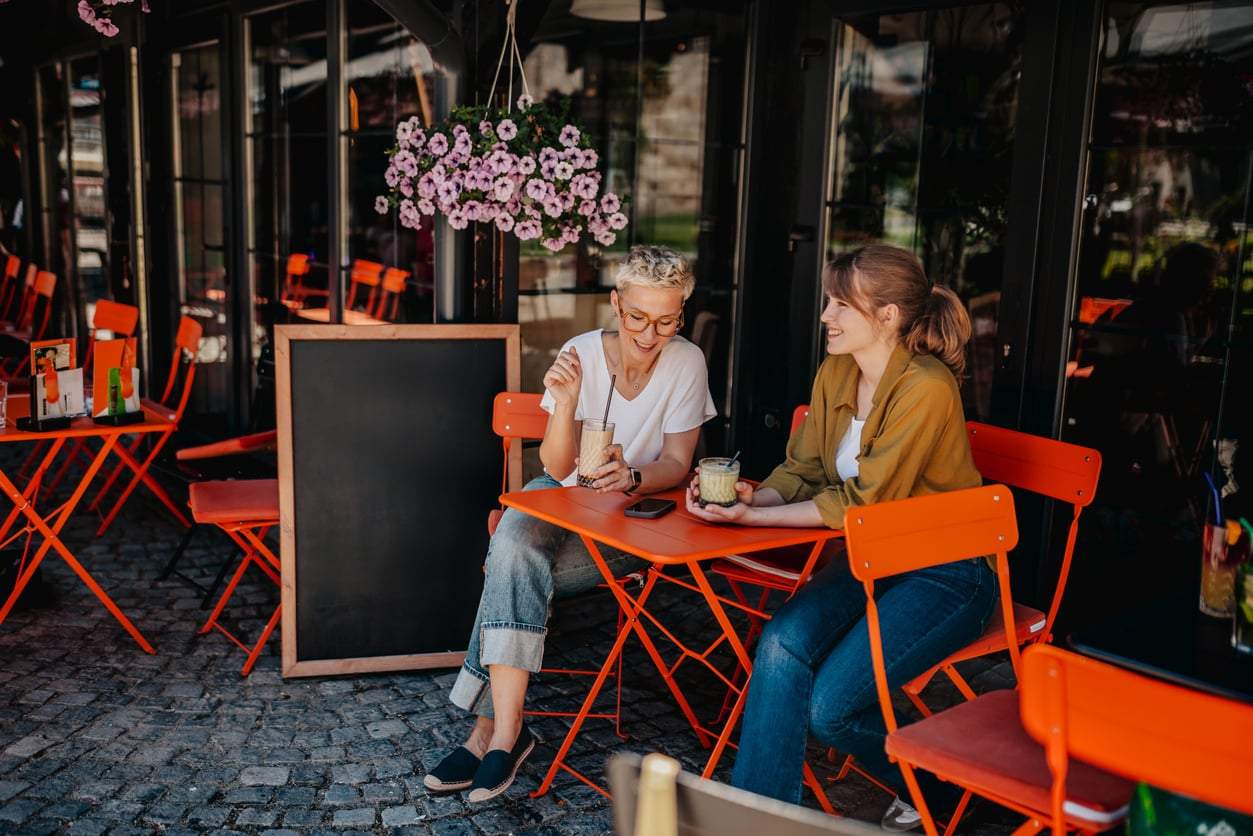
Many studies have explored how age shapes our friendships and what happens when there’s a significant age gap. One study found that 68% of American adults have at least one close friend who is 15 or more years younger or older. This shows that cross-generational friendships aren’t just rare exceptions—they’re surprisingly common.
When a friendship crosses age boundaries, it often creates a bond that brings fresh perspectives, support, and deeper emotional connection. Experts say these friendships are valuable because they offer both sides something meaningful: learning, inspiration, emotional security, and the feeling of truly being seen.
So What Does It Say About You If Your Friends Are Mostly Older?
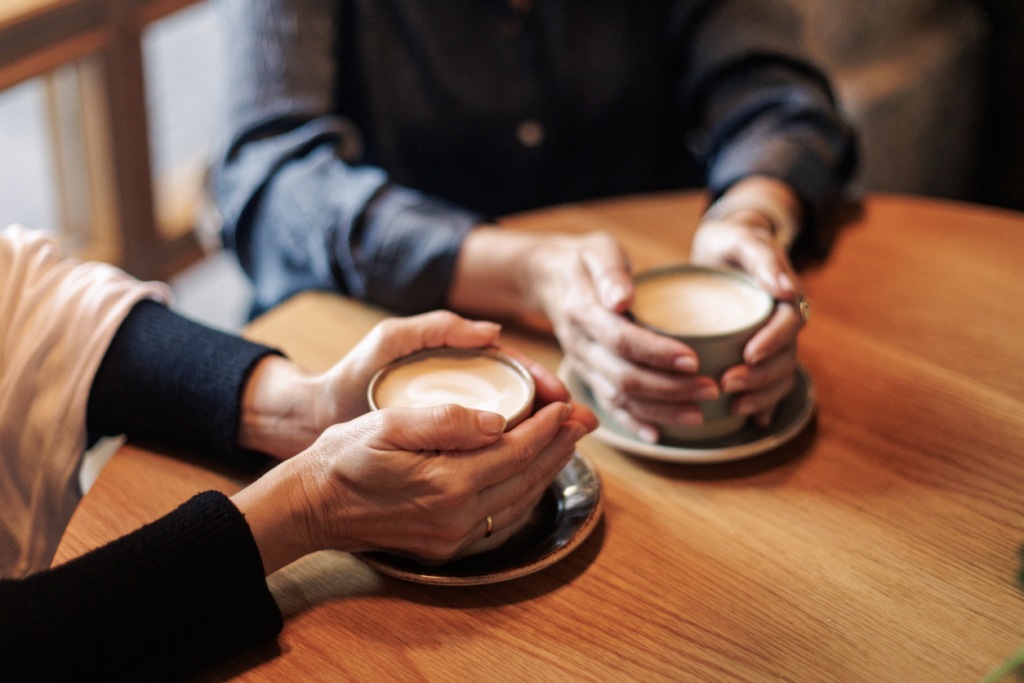
One key message is that you’re open-minded. Befriending someone from a different age group means you look beyond first impressions and appearances. You focus on personality, values, emotional connection, and common ground. This shows you seek what truly unites people, not just what seems logical or obvious at first glance. In other words, you think creatively and trust your feelings!
It also suggests you’re emotionally steady. Older friends have likely navigated life situations you’re just encountering. They can serve as role models, but in a balanced friendship, it’s not just a mentor-mentee dynamic. Conversations happen on equal footing, and support flows both ways. Having older friends shows emotional courage—it means you’re comfortable not only with peers but also with relationships that move at a different pace and have different stories, yet still work.
Lastly, older friendships often mean you’re open to perspectives from different life stages. This signals you no longer seek validation in shallow connections but value genuine mutual acceptance and depth. Having older friends often reflects a conscious choice about who surrounds you—not based on parties, trends, or status, but on who helps you grow, evolve, and understand yourself better.
But What If the Older Friend Becomes Like a Surrogate Parent?
This is an important and real question. Sometimes, we might unconsciously look for a parental figure in an older friend—someone who accepts us, advises us, protects us. That’s okay as long as the relationship stays balanced. But if you notice your friend’s role is mostly caregiving, controlling, or always rescuing you, it’s worth reflecting on whether you’re trying to fill a past gap.
Psychologists say this is common, especially for those who grew up with emotionally unavailable parents. Then, the older friend can symbolize safety and unconditional love. But if the relationship becomes one-sided, it loses the essence of friendship: reciprocity. True depth requires you to give as well as receive—even if you’re not yet on the same life-experience level.
One of the most beautiful things about these friendships is how they free you from social expectations. They teach you that an older friend isn’t “from a different generation” but from a world where friendship speaks only to the soul.