At the start of the year, many of us make resolutions, often including changing our eating habits. But these decisions can be tough to stick to, especially if they’re too drastic and leave you frustrated after just a few days. No need to torture yourself! Instead, why not try a healthy challenge like Veganuary?
The challenge began in Germany back in 2020, and you can still sign up for free on the official site to get helpful tips and recipes by email. It’s a great motivator because it means eating only plant-based foods for a whole month, which can be a fresh experience if you don’t usually eat many meat-free meals.
It’s worth trying because it can support weight loss, improve your health, and help the planet.
After the month ends, you’ll likely find some dishes or ingredients you want to keep enjoying, even if you usually prefer meat-based meals. You might even feel inspired to add more meat-free days to your routine.
How to Start the Challenge Right
Anyone choosing to go fully vegan for 30 days faces a real challenge at first. To make it easier, plan your meals a week ahead, including breakfast, lunch, snacks, and dinner. Cooking your own meals is best. If you’re not working from home, pack small meals to avoid temptation during breaks or on the go.
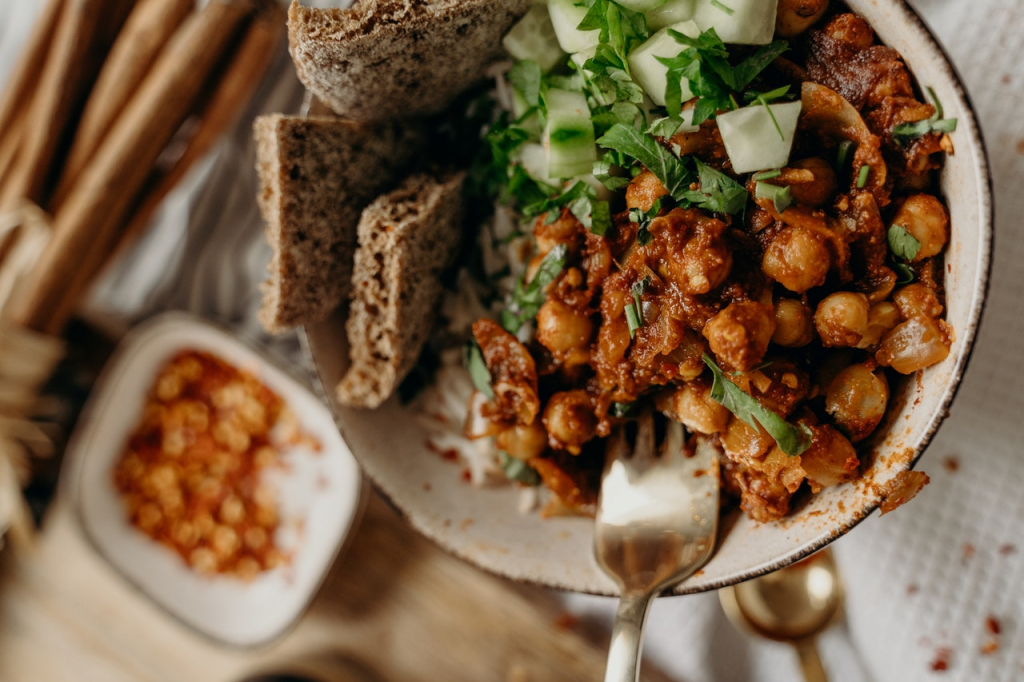
It’s also key to use quality ingredients. Just being vegan isn’t enough; your meals need to be nourishing too. Sure, a vegan burger and fries might fill you up quickly, but they won’t do your body any favors. Instead, try veggie soups, fruit soups, stews, nuts, or roasted vegetables.
Which Nutrients Come from Which Foods?
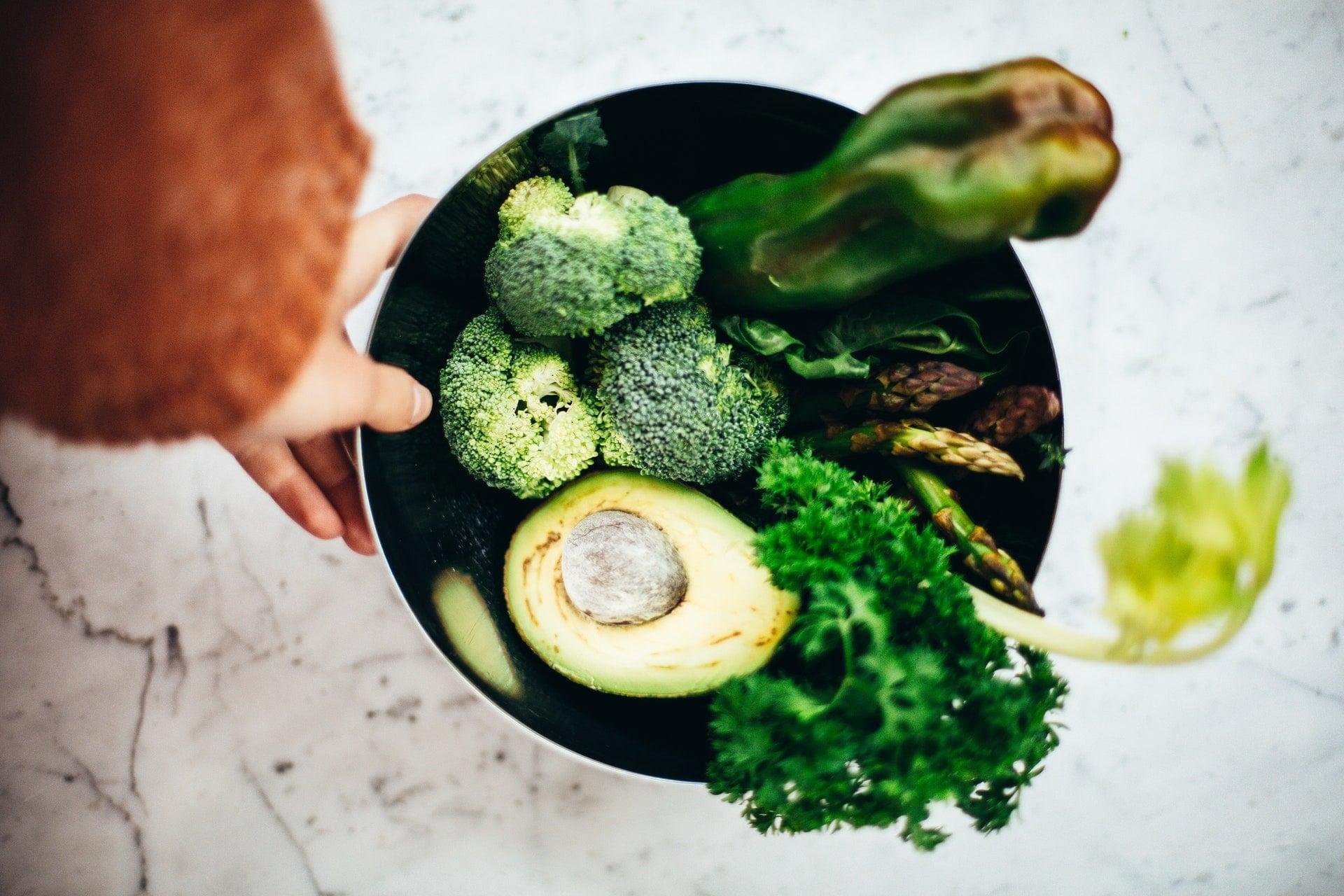
For protein, focus on beans, lentils, peas, tofu, soy milk, whole grains, leafy greens, hemp seeds, walnuts, and quinoa. Get B2 vitamin from nuts, cabbage, broccoli, and soy products. To ensure enough B12, include sauerkraut in your diet.
Calcium comes from fennel, chard, sesame seeds, tahini, walnuts, and whole-grain products. Zinc is found in tofu, beans, peanuts, walnuts, whole grains, and leafy greens.
For vitamin D, enjoy mushrooms, avocado, and sweet potato dishes. Iron is also vital, and you’ll find it in pumpkin seeds, amaranth, pistachios, and flaxseeds. Don’t forget iodine, which spinach, mushrooms, broccoli, and peanuts can provide.
How the Challenge Benefits Your Health
If you carefully choose your ingredients and prepare nourishing meals, you can be confident that going meat-free won’t leave you lacking any nutrients. Plant-based foods can even be more valuable than animal products in some ways, while also helping the environment. And don’t worry—you won’t be stuck eating the same thing every day. As you can see, there are plenty of delicious options to explore.