Every September the waxed jacket reappears, and every September a certain type of woman looks at it and thinks: lovely on someone standing in a field, but what would I do with it on a Tuesday. I understand the hesitation. Worn badly, it looks like a costume borrowed from a different life. Worn well, it is one of the most useful things you can own, because it survives rain, shrugs off a decade of wear, and looks better slightly scuffed than it does brand new.
The trick is to stop treating it as countrywear and start treating it as a neutral. It is, essentially, a dark jacket with good shoulders and a faint shine. That is a far easier thing to style than the marketing photographs suggest.
Fit is the whole decision
Waxed cotton has almost no give, so buy for the bulkiest jumper you genuinely intend to wear underneath, then check you can cross your arms in front of you without the back pulling. Length matters more than usual because the fabric doesn't drape: a hip-length style keeps your leg line long and suits anyone who mostly wears trousers, while a longer, thigh-skimming cut works better over dresses and skirts and reads slightly more urban.
Look at the collar. Corduroy collars are the traditional detail and they soften the face; a plain stand collar looks cleaner and more modern. And check the pocket placement against your own hands. If the pockets sit too high, you will fidget with them forever and never wear the thing.
Second-hand is not a compromise here, it's arguably the better buy. These jackets are made to be reproofed and repaired, and an already-worn one has lost its stiffness and its shop smell.
Three outfits that aren't a dog walk
The easy one: straight or slightly wide jeans, a fine knit, loafers or ankle boots, and a scarf in a colour that isn't in the jacket. Because the jacket is matte and dark, everything under it can be lighter and softer than you'd normally risk. Cream, oatmeal and pale blue all look considered against olive or brown wax.
The one people don't expect: a midi dress, preferably fluid, with boots. The contrast between a stiff, practical jacket and something that moves is what makes the outfit look deliberate rather than accidental. Leave the jacket open so the dress still reads as the main event.
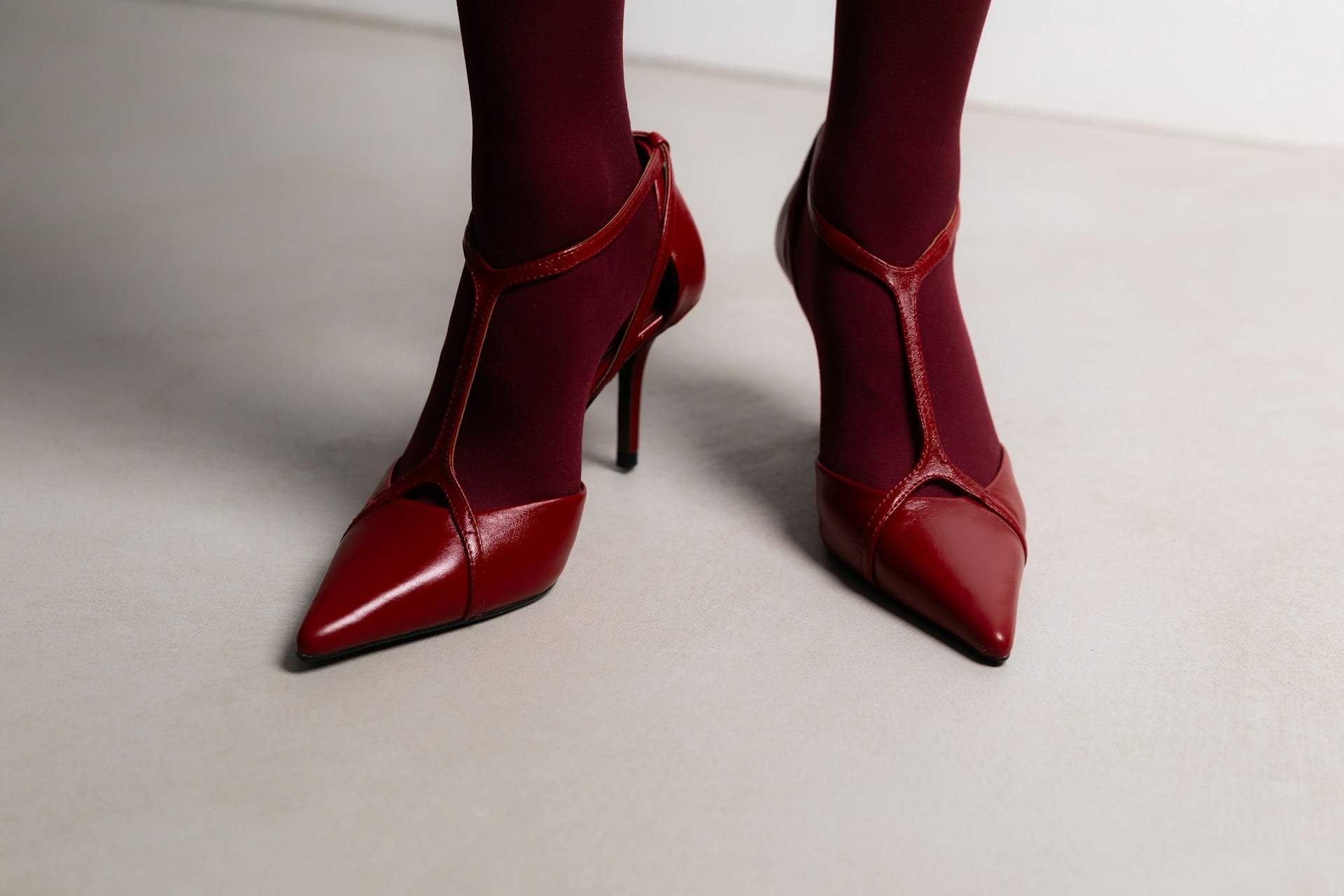
The city version: tailored trousers, a crisp shirt, a leather bag with structure. Here it replaces the blazer you'd otherwise ruin in the rain. Keep the shoes sharp, because pointed or polished footwear is what stops the whole look drifting rural.
Colour, and what it does to the rest of your wardrobe
Classic olive and dark brown are flattering against most skin tones and quietly do the work of a neutral. Navy is cooler and pairs more easily with black. If you love black, be aware that waxed black can look slightly dusty in bright light, which some people find charming and others don't. Whatever you choose, a warm-toned scarf or a hat near your face will lift the whole thing, because the jacket itself absorbs light rather than reflecting it.
The care it actually needs
This is where most waxed jackets die. Never put one in a washing machine and never dry clean it unless the specialist explicitly handles waxed cotton, because both strip the finish that makes the jacket work. For everyday dirt, sponge it with cool water and a soft cloth, then leave it to dry away from a radiator. Mud is easiest brushed off once it's dry rather than smeared when wet.
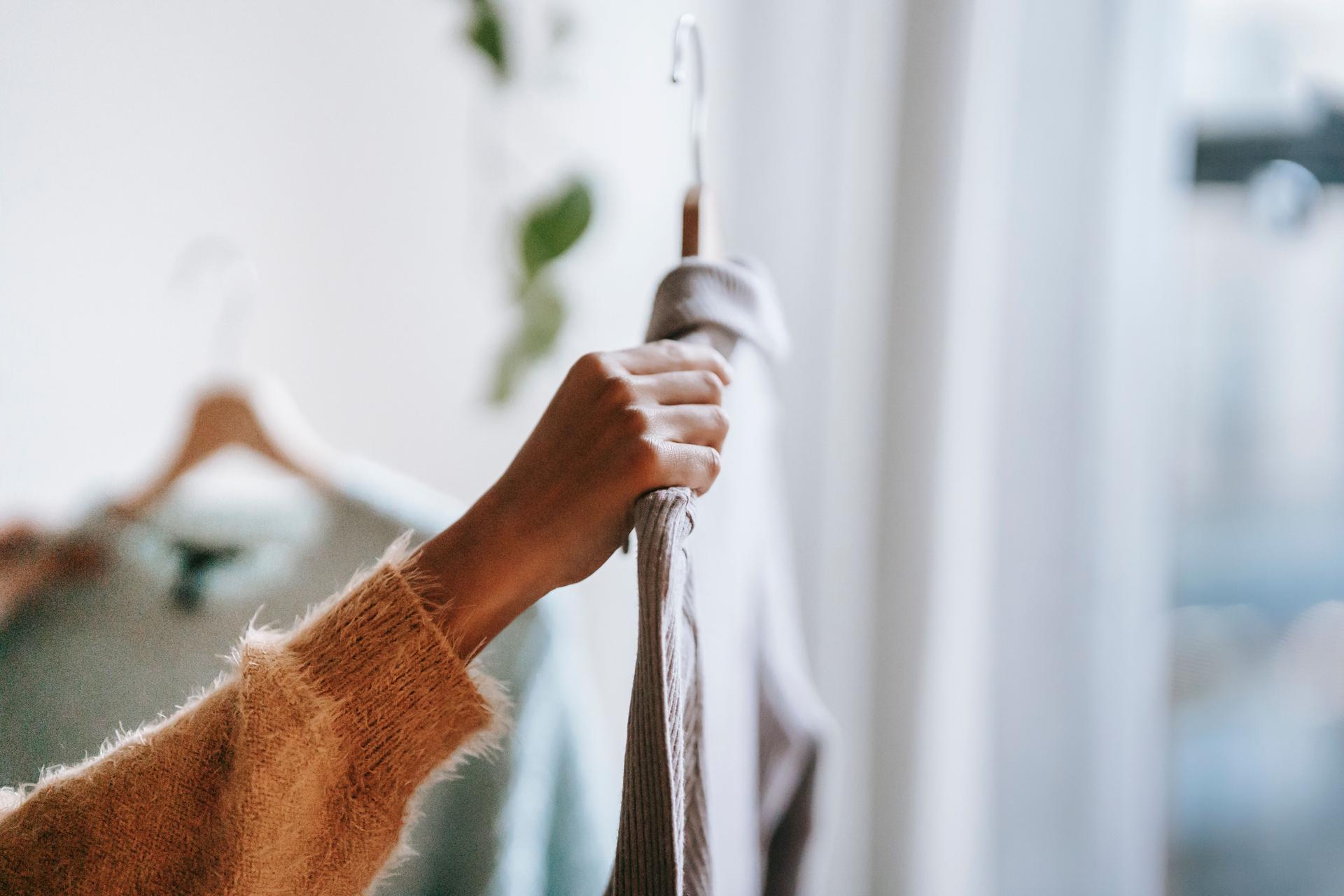
Store it hanging, on a broad hanger, somewhere with air. Folded into a drawer for six months, wax transfers and creases set in. And be a little careful with pale upholstery and light-coloured car seats, especially with a freshly reproofed jacket in warm weather.
Can you wash a waxed jacket?
Not in the way you wash other coats. Machine washing, hot water, detergent and fabric softener all remove the wax, leaving you with a limp cotton jacket that lets in rain. Cool water, a sponge and patience handle almost everything, and when the fabric finally looks thirsty and pale at the elbows, it needs reproofing rather than cleaning.
Is a waxed jacket too warm for early autumn?
Most are surprisingly light, because they are built to block wind and rain rather than to insulate, which makes them ideal for that long stretch of mild-but-damp weather before a proper winter coat is needed. If yours has a removable lining, take it out now and put it back in when the temperature genuinely drops. That one swap is what turns the jacket into something you wear from September to March instead of twice a year.