Between deadlines, family logistics, and the relentless scroll of notifications, it's surprisingly easy to forget something fundamental: we are nature. Not separate from it, not observers of it — we are made of the same stuff as the things that bloom, wither, and come back again every spring.
It took a quiet cup of coffee in my garden on an ordinary morning to remind me of that. And what the garden has taught me since has been worth more than any self-help book I've ever read.
The gift of slow time and healing soil
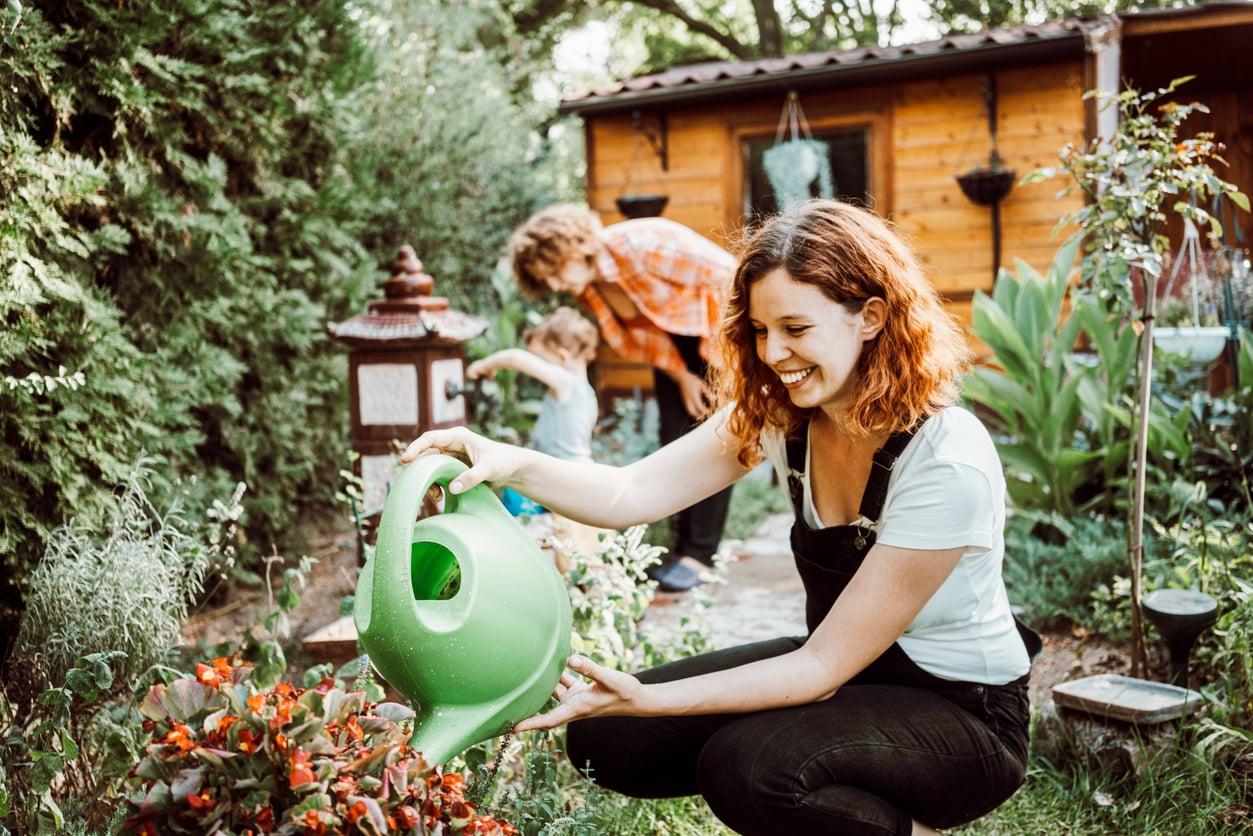
For me, gardening has always been one of the most ancient and effective forms of therapy — a quiet permission to finally slow down. The moment my hands sink into cool soil, or I kneel beside a freshly turned bed, the noise of the digital world simply falls away. No software updates, no urgent emails, no one needing anything from me. Just the slow, steady pulse of something alive.
What strikes me most about my plants is what they don't do. They don't anxiously wonder whether they're growing correctly. A lavender bush will do its absolute best even when fate has planted it in a shadier corner with little chance of a glorious bloom. It doesn't compare itself to the fuller shrubs in the next bed over. It doesn't feel guilty for growing more slowly. Plants never question their right to exist simply because they aren't flowering right now. They accept, without drama, that sometimes the work is just surviving — deepening roots, staying present, being.
Forced renewal: the power of being cut back
Growth is rarely a clean, upward line. It's more of a wave — and patience is our most important ally, especially when something outside our control breaks us down.
I remember the knot in my throat the year a brutal late frost forced me to cut my beloved fig tree almost all the way back to the ground. It felt like every effort had been wasted. Predictably, the tree bore no fruit that year — not a single one.
But then I started watching what it was actually doing. Instead of spending its remaining energy on weak, unviable fruit, it was doing something smarter: gathering strength beneath the surface, quietly building the framework for thicker, stronger branches than it had ever grown before.
That deep, invisible renewal taught me how important it is to respect our own "zero points" — the seasons when we have nothing to show, and everything to build.
There are times in life when circumstances demand a drastic cutback — a career change, a painful breakup, a slow burn of emotional exhaustion. But being forced to stop isn't failure. It's the rebuilding of the framework strong enough to carry the next season's abundance.
The invisible work: what rest is actually doing
Alongside the fig tree's struggle, the most liberating lesson the garden ever gave me was learning to accept autumn and winter as natural — even necessary — states. I've always been a summer person at heart, so I used to watch anxiously as the colour drained from the garden and frost locked everything into what looked like lifelessness.
Now I know better. That brown, dishevelled season is not an absence of life — it's the most intense inner work of the year. Deep underground, roots are strengthening. Stability is being built in the dark, quietly, without any audience.
Winter mode is actually our most honest state. We're not defined by the colour of our petals or the size of our harvest. We're simply here. And in that "pilot light" phase, there's more room for reinvention than in any busy, blooming season. It's where we decide: do we run the same loops again next year, or do we finally grow in a new direction?
The truest gardens — and the truest lives — aren't built on relentless, performative effort. They aren't built to impress.
The goal isn't the display. It's building a sustainable system that feeds itself — one that can renew itself in cycles. Withdrawal isn't loss. It isn't laziness. It's the foundation of next year's bloom.
Learning to trust your own pace
Real harmony lives in the courage to honour your own rhythm. Those who aren't afraid of the grey, apparently lifeless seasons tend to come back with far richer blooms.
The longer I garden, the more I notice that the anxious striving gradually gives way to ease — not because I care less, but because I've learned to trust the process. Humility and rest don't hold us back. They are, quite simply, the conditions under which we are reborn.
The garden already knows this. It's been trying to tell us all along.