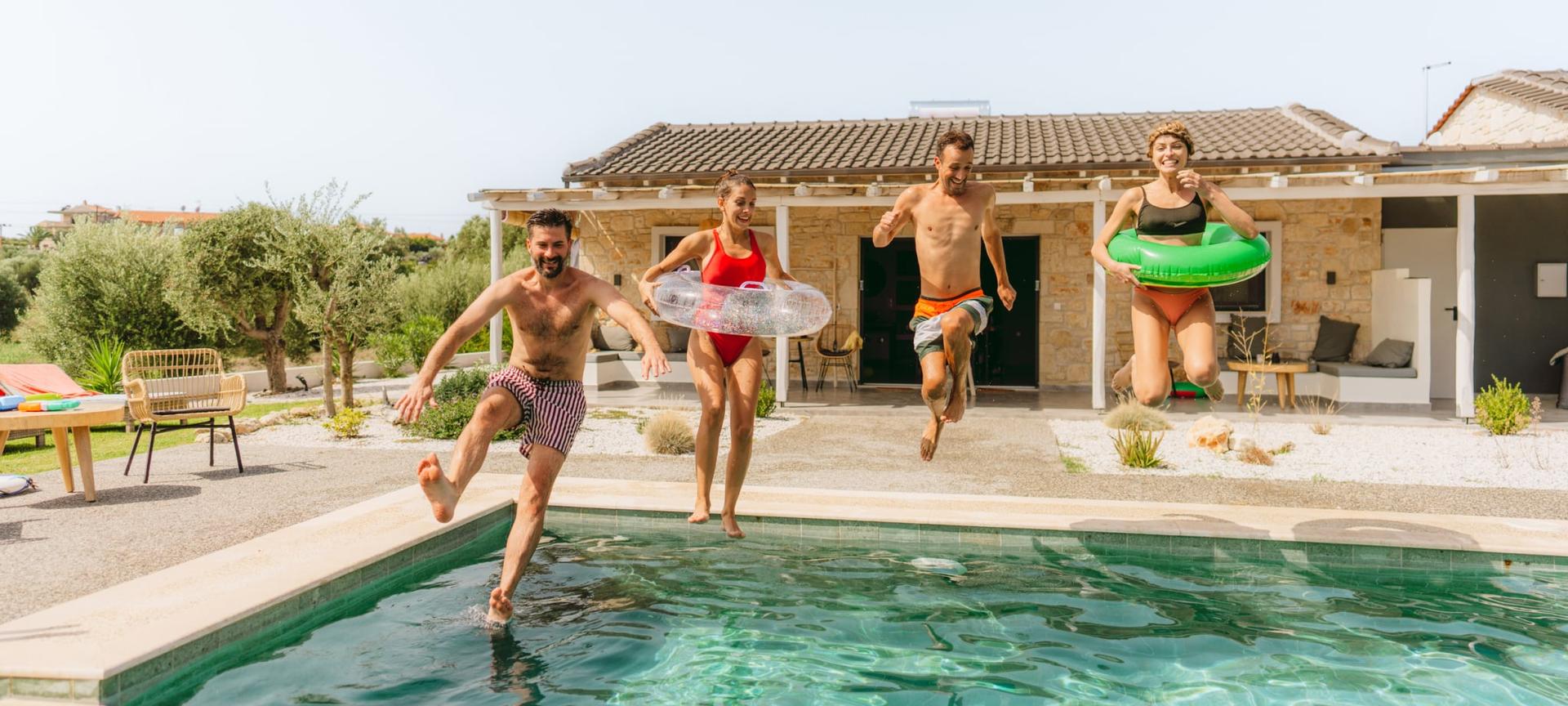
Most of us grew up hearing it like a rule: wait at least 30 minutes after eating before you get back in the water. It was presented as fact — skip the wait and you'll get cramps, a stomachache, or worse. But is there real science behind this summer staple, or is it mostly myth? Experts weighed in for Well + Good, and the answer is more nuanced than a simple yes or no.
It depends on what you ate
According to Dr. Christopher R. Mohr, a sports dietitian and nutrition expert, the question of whether it's safe to swim after eating doesn't have a one-size-fits-all answer.
"What you eat before swimming matters a lot in terms of how you'll feel in the water. I wouldn't recommend jumping in the pool right after a big holiday feast — but eating the right foods and staying hydrated before swimming can actually help you perform better," Dr. Mohr told Well + Good.
In other words, a light snack is very different from a three-course meal. The size and composition of what you eat plays a much bigger role than the clock.
Hydration matters more than you think
Summer meals tend to be lighter — think fresh salads, lean proteins, and fruit — which is actually a good thing if you're planning to swim. But Dr. Mohr says the bigger summer challenge isn't food: it's staying properly hydrated.
Even mild dehydration — as little as 1% of your body weight in fluid loss — can noticeably reduce both physical and mental performance. His practical advice: drink a glass of water every 30 minutes when you're spending the day at the pool or beach, regardless of whether you feel thirsty.
How hard you swim also makes a difference
Beyond what you eat, it's worth thinking about how intense your swim will be. Are you floating lazily in the shallows, or doing laps at full speed? That distinction matters.
Dietitian Melissa Rifkin points out that everyone digests differently. Some people have iron stomachs; others are more sensitive. If you regularly deal with digestive issues — whether from food intolerances, stress, or a gut condition — she recommends giving yourself a bit more time before jumping in, just to be safe.
Why swimming after eating can cause cramps
The most common argument against swimming right after a meal is the risk of stomach cramps — and there's actually a physiological reason behind it. After you eat, blood flow shifts toward your digestive tract to help process the food. When you start exercising intensely at the same time, your muscles also demand oxygen-rich blood.
Your body essentially gets caught in a tug-of-war, and that conflict can trigger cramps or even diarrhea. Rifkin also mentions a condition called ETAP (exercise-related transient abdominal pain) — a side stitch-like pain that can flare up during vigorous movement, though it's much less likely during a relaxed swim.
She also notes that fatty, protein-heavy foods require significantly more blood and oxygen to digest than lighter carbohydrates. So if you're heading into the water soon after eating, choosing easily digestible foods — like fruit, yogurt, or a small carb-based snack — gives your body a much easier time.
How to avoid stomach trouble in the water
As a former competitive athlete, Dr. Mohr recommends reaching for natural, light energy sources before a swim. One of his favorites: yogurt with dried figs. The figs provide quick natural sugar for energy, while the yogurt delivers protein to support muscle recovery. The goal is food that fuels you without weighing you down.
And if you do get a cramp mid-swim? Don't panic. Stop, breathe deeply, and stretch to help your body settle and bring your heart rate down. "If you start to feel better, you can continue — but if you don't, it's smarter to stop and gradually increase intensity next time," Dr. Mohr advises.
The bottom line: the 30-minute rule isn't pure myth, but it's not an absolute law either. Listen to your body, keep your pre-swim meals light, and stay hydrated — and you'll likely be just fine.