Opinion: Borka Shoemaker
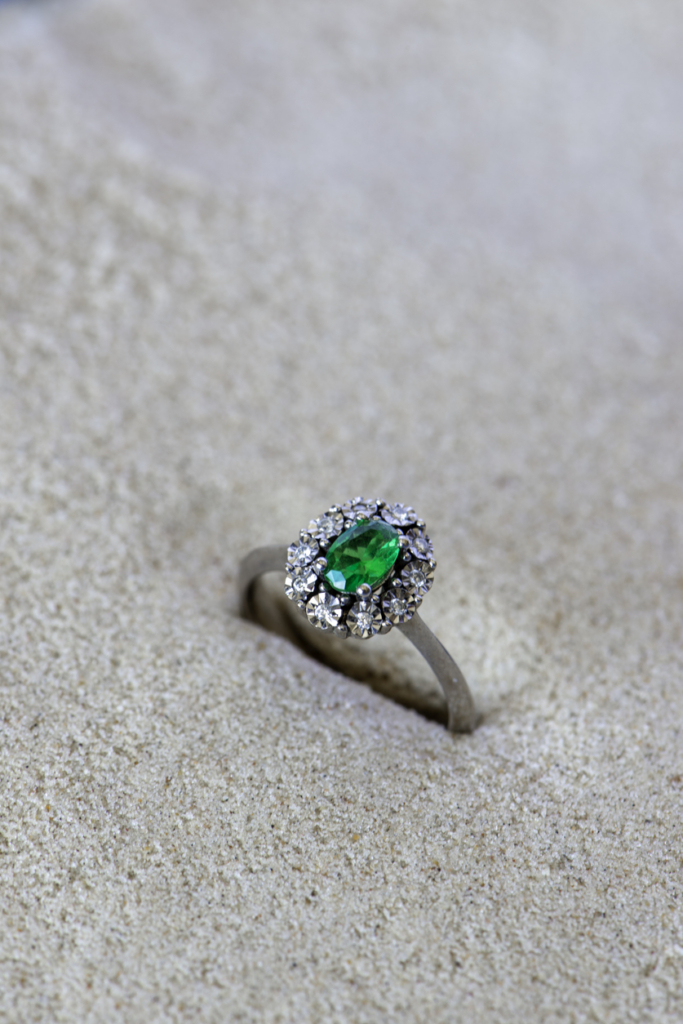
Not long ago, I came across my wedding ring. I wasn’t looking for it—it was just there, at the bottom of a box where I had carefully tucked it away years ago and hadn’t touched since. When I opened it, the same feeling from back then washed over me: it’s still beautiful. A large, green emerald sits proudly, bold yet elegant. I have to admit, my ex-husband made a perfect choice.
But no matter how beautiful, this ring isn’t what it used to be. I don’t wear it. I couldn’t. Not because it hurts to look at, but because what it was meant to symbolize turned out very differently. It was a promise, a vision of a shared future that once felt so real. Now, it’s more like a tangible memory of a story.
And then comes the question: what do you do with an object like this?
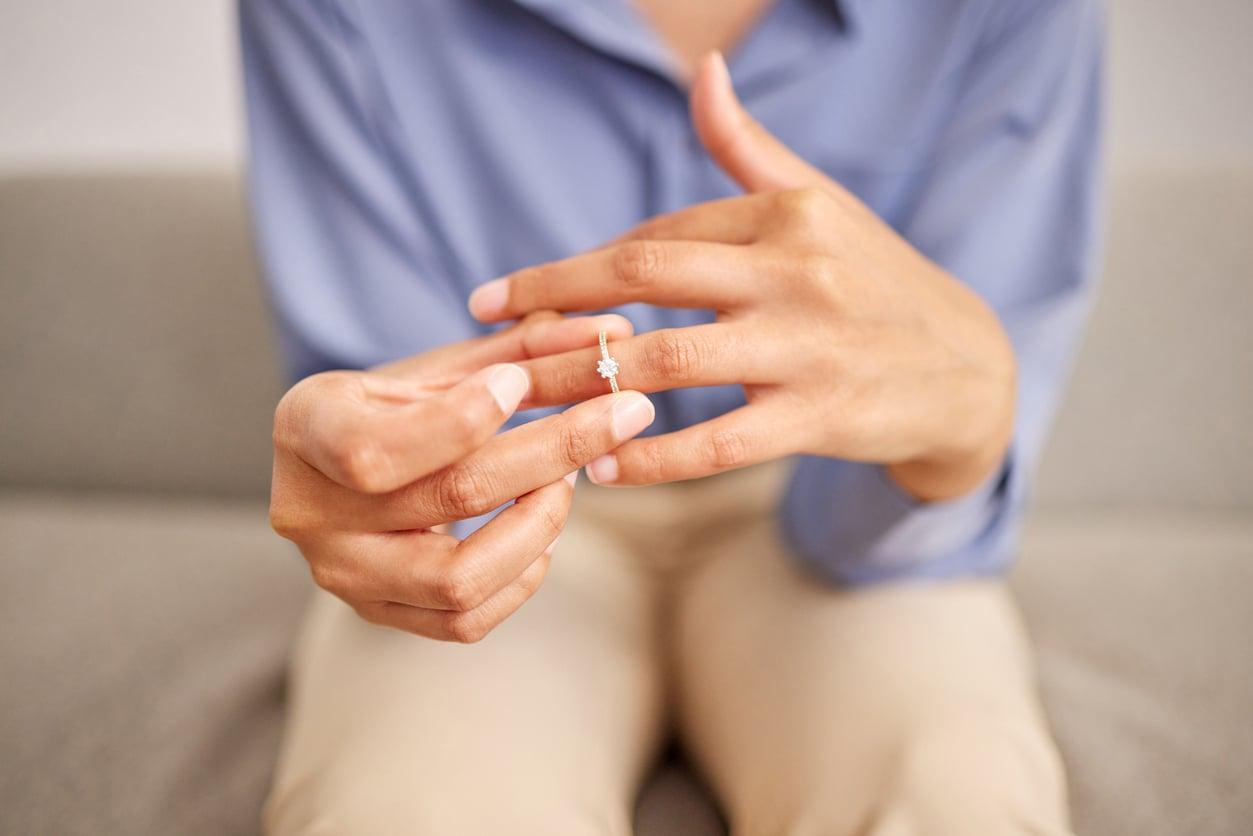
I know there’s no one right answer. Some people keep wearing their ring after divorce—it represents not just marriage, but a chapter of life, an identity. Others can’t even stand to see it and get rid of it immediately. I’ve heard of someone who sold theirs for cash and used the money for something completely absurd and freeing. And someone else who spent it on a trip at the start of a new relationship—as if turning the end of one story into the beginning of another.
There’s something understandable in all of these choices.
For me, though, I realized I don’t want to get rid of it. But I also don’t want to step back into the past with it. The ring just sits on my shelf now. Sometimes I pick it up, look at it, then put it back. It’s no longer tied to the kind of pain I might have expected. Instead, it’s a quiet, strange acceptance. That yes, this was part of my life.
And from this part of the story, something more important than anything else was born: my daughter.
She’s the reason the meaning of this ring completely changed for me. It’s no longer a symbol of a marriage that didn’t go as planned. It’s a symbol of a relationship that brought our best decision to life. Something neither I nor her father regret—even though we didn’t stay together.
That’s why I decided to keep the ring. Not for myself, but for my daughter. I want her to have it one day. Not necessarily to wear it, nor to carry on the story as it was.
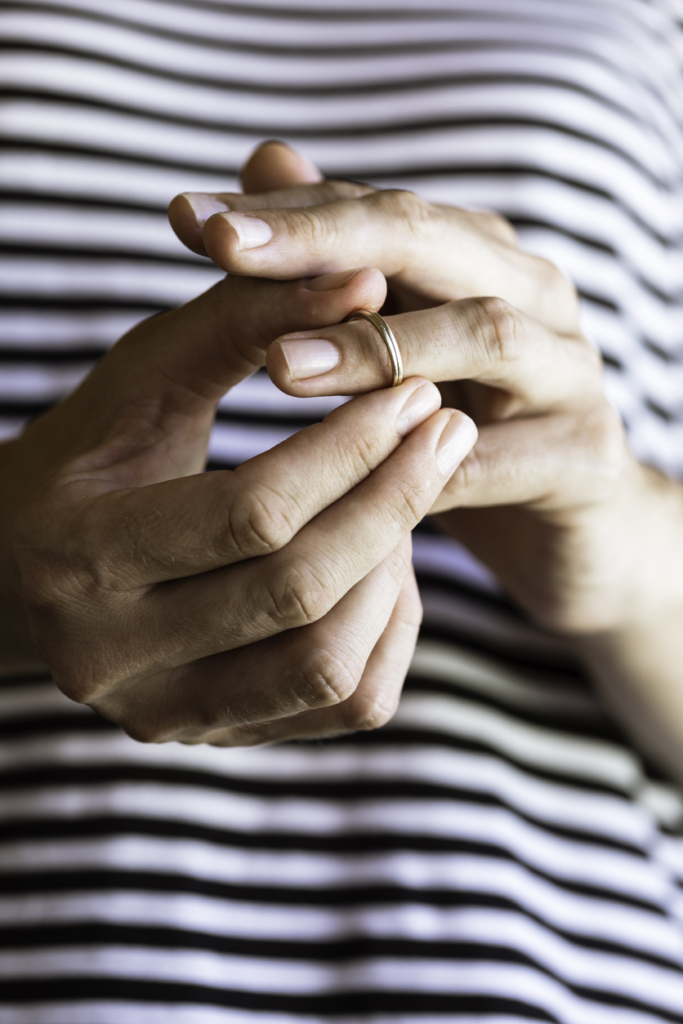
I want her to look at this ring and not see a failure. But a beginning. That her parents once loved each other. That there was a time when they built something together. And from that, she was born—whose existence is unquestionable and irreplaceable.
My wedding ring no longer symbolizes what I originally thought. But maybe it means something even more important: that life isn’t a linear story. That something can be both closed and still valuable. And that some decisions were right, even if their endings turned out differently than planned.
When my daughter holds this ring one day, I hope she feels this: that no matter how her parents’ relationship turned out, we never regretted being together. Because from that, she was born. And nothing could have turned out more wonderfully than that.