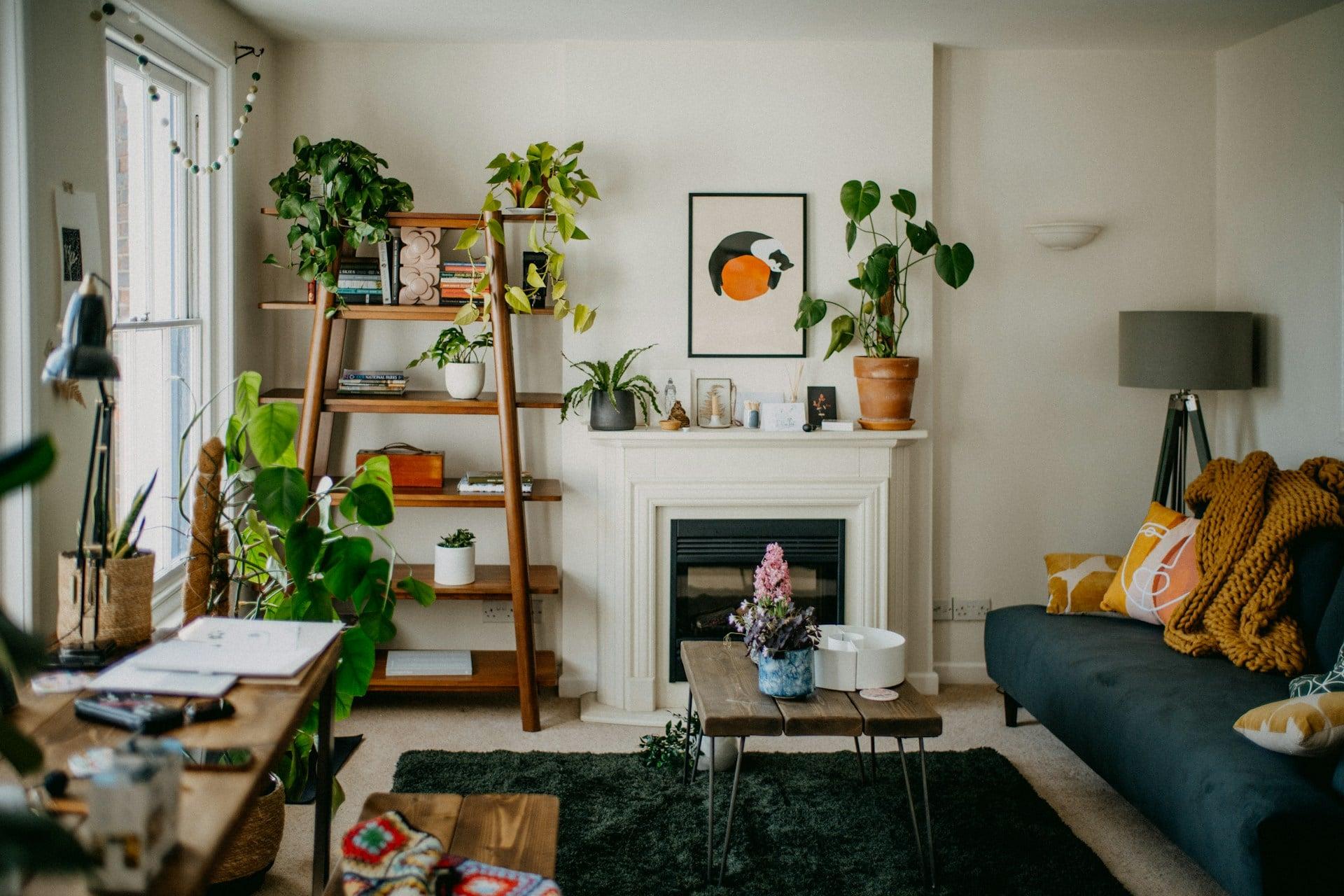
Think about the last time you walked into an unfamiliar room. Before you even realized it, your attention landed somewhere specific — a face, a corner, the lighting, or maybe a strange sense of the whole space at once.
That split-second reaction isn't accidental. According to esoteric and self-awareness approaches, whatever your mind locks onto first points to the part of you that's most active right now — whether that's a need for emotional safety, control, connection, or a deep longing for freedom.
So take a moment and ask yourself: what do you usually see first? Here's what each answer might say about you.
If you notice the overall mood first
Some people don't register objects or details at all — they simply feel a space. The quality of the light, the blend of colors, the atmosphere hanging in the air: that's what reaches them first.
If this sounds like you, you're probably strongly intuitive. You don't start with logical analysis. Instead, you gather impressions and let them settle into a knowing. Often you sense that something is "right" or "off" long before you can explain why.
This type tends to be sensitive to their surroundings and quick to absorb other people's emotions. For you, the mood of a room isn't background noise — it's active information.
If you notice the people first
If your eyes go straight to faces, body language, and glances, then connection plays a central role in your life. It's not the furniture or the décor that grabs you, but who's present — and how they seem to be feeling.
This usually points to strong empathy. You read people easily, and you often pick up on the things they don't say out loud. Your attention naturally tunes into social dynamics.
Behind this is often a quiet need to feel safe around others. For you, the quality of the relationships in a room shapes your entire experience of it.
If you enjoy discovering these little windows into your inner world, you might like this one too: which path would you choose — and what your choice reveals.
If you notice tidiness or clutter
Some people react instantly to the visual structure of a space: what's in its place, what isn't, how orderly or chaotic everything feels.
If that's the first thing you register, you may have a strong need for control and predictability. For you, an organized environment often equals mental calm — and when a space feels chaotic, it can stir up tension inside you too.
This doesn't necessarily make you rigid. It's more that outer order helps you make sense of your inner world.
If details pull your attention
If you immediately spot small objects, tiny visual touches, or clever little solutions, you probably have sharp observational skills. Your focus doesn't jump to the big picture — it heads for the fine layers.
People who work this way are often creative, quick to connect ideas that others would never link together. For you, details aren't trivial; they hold the key to understanding.
The flip side is that an overstimulating environment can wear you out fast, because every little thing can feel equally "loud."
If you notice the light and colors first
If lighting, shadows, or the color palette hit you the moment you step inside, you likely have a strong aesthetic sensitivity. Visual harmony — or its absence — triggers an emotional response in you almost instantly.
This kind of perception often goes hand in hand with creative thinking. You don't just see spaces; you read them as moods. Colors and light become a kind of emotional language for you.
If you notice what's missing first
Some people don't register what's present — they notice what isn't there. A missing object, an odd emptiness, a system that's been broken.
This usually reflects an analytical, problem-solving mind. Your attention drifts toward gaps and flaws because that's where you see room to act.
The downside is that this perspective can be tiring at times, making it harder to simply relax and be present in the moment.
Curious what else your instincts say about you? Try this next: which crystal suits your personality the most.
Does what you notice first really reveal your personality?
According to esoteric and self-awareness approaches, your instant focus points to the part of you that's most active right now — a need for safety, control, connection, or freedom. It's meant as a reflective prompt, not a scientific diagnosis.
What if I notice more than one thing at once?
That's completely normal. Many people blend a few of these tendencies. Notice which reaction feels the most automatic and immediate for you — that's usually the most telling one.
What does it mean if I feel the mood of a room before anything else?
It often signals a strongly intuitive nature. You gather impressions rather than analyzing details, and you tend to know whether a space feels "right" before you can put it into words.
Why do I always spot what's missing in a space?
This tends to reflect an analytical, problem-solving mind that naturally looks for gaps and flaws. It's a real strength, though it can make it harder to simply relax in the present moment.