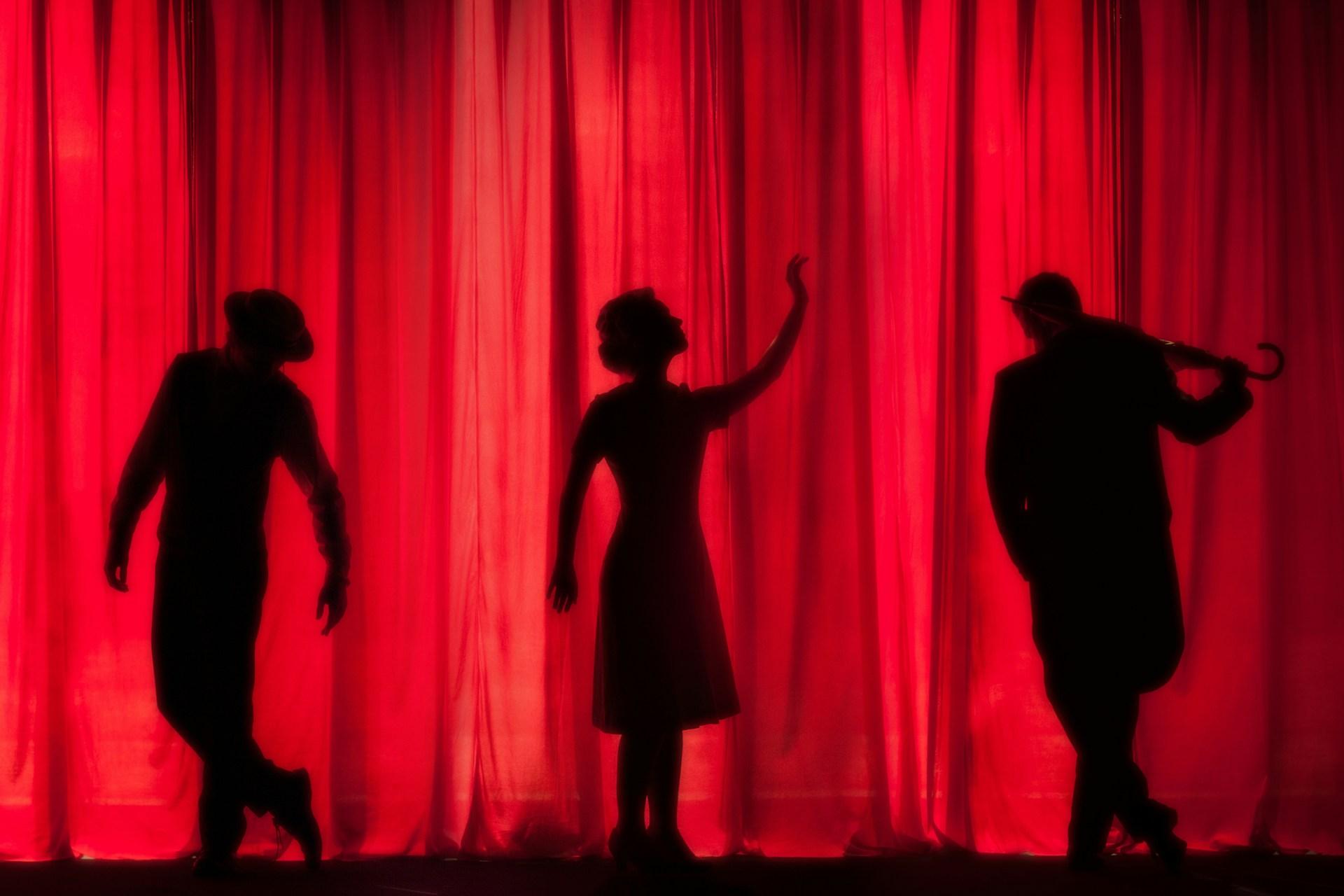
Theater was a natural part of my childhood. I attended performances and puppet shows with kindergarten and school groups, dressed up, a bit restless in my seat. Going was never a question—it just happened. Back then, theater felt more like an event than an experience: something happening to us, but not necessarily within us.
For a long time, it stayed that way. I liked it but wasn’t passionate about it. I didn’t actively seek out shows; I just went along with them, like so many things in youth.
Love Began Behind the Scenes
My true love for theater came later. Over 10 years ago, during high school, I had the chance to work in a theater for a few months. That time changed everything. The rhythm of rehearsals, the excitement before shows, the strange mix of silence and chaos backstage suddenly felt like home.
For the first time, I connected with theater not just as an audience member but as a participant. I happily watched the same show again and again, noticing something new each time: a tone, a gesture, a glance. This experience—like my childhood memories—is tied to a rural theater, which might not be a coincidence. There’s something deeply human and close in these spaces.
City Trips, Rural Roots
As an adult, I choose more consciously. When a Budapest show truly catches my interest, we plan a few days in the capital, making that evening the highlight of the trip. Yet, my strongest theater experience isn’t tied only to Budapest.
Quite the opposite: it’s about that feeling when a performance "catches up" with you, no matter where it’s staged.
A Play That Etched Itself in My Memory
I first noticed the Loupe Theater Company’s The Beginning/End in 2024 when I saw it would be performed in my hometown. The story spoke to me right away, so I bought a ticket without hesitation. I expected to like it. I didn’t expect it to stay with me for days—weeks, months, maybe forever.
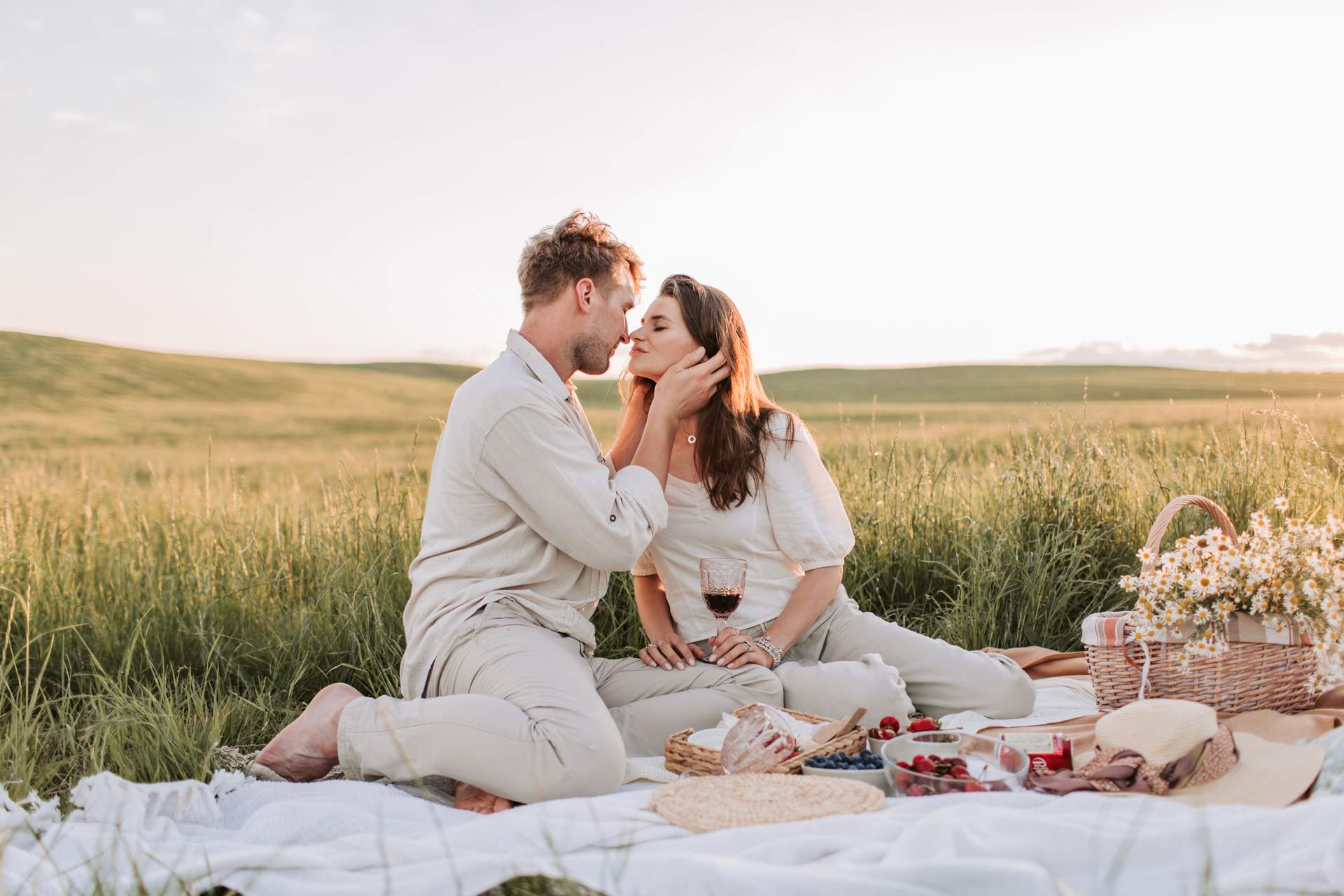
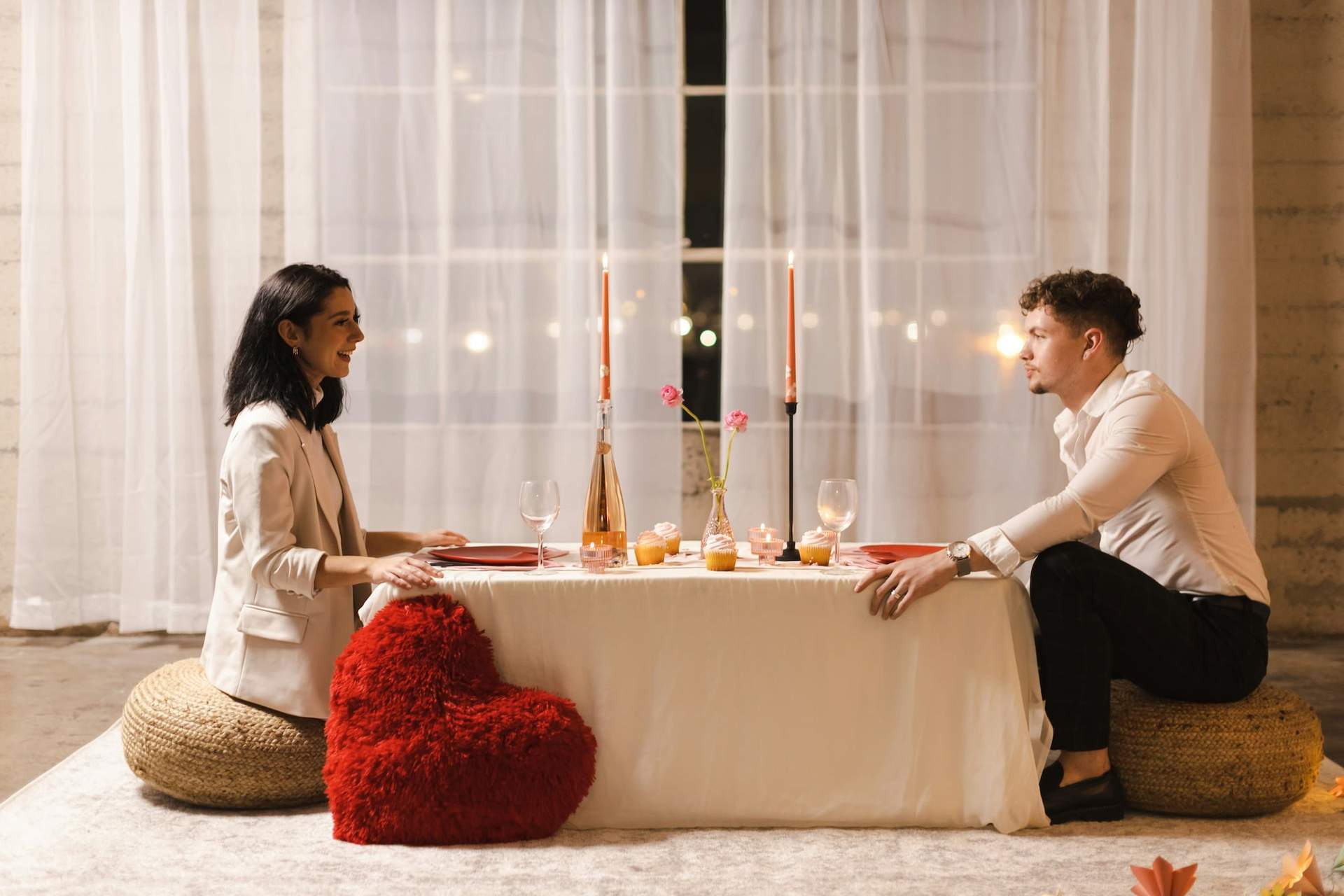
This play explores decisions, responsibility, and commitment through the life of a young couple—topics we often think we can just "talk about later, figure it out, it’ll work out somehow." It captures that strange in-between feeling many of us know: when change is inevitable, but we still cling to the old.
Seeing Different Things in the Same Light
One of the most memorable scenes for me was a small, everyday moment. Luca repeatedly asks Peti to change a flickering light bulb. She sees and knows there’s a problem. Peti, however, always looks up just when the bulb is working fine. For him, there’s no issue.
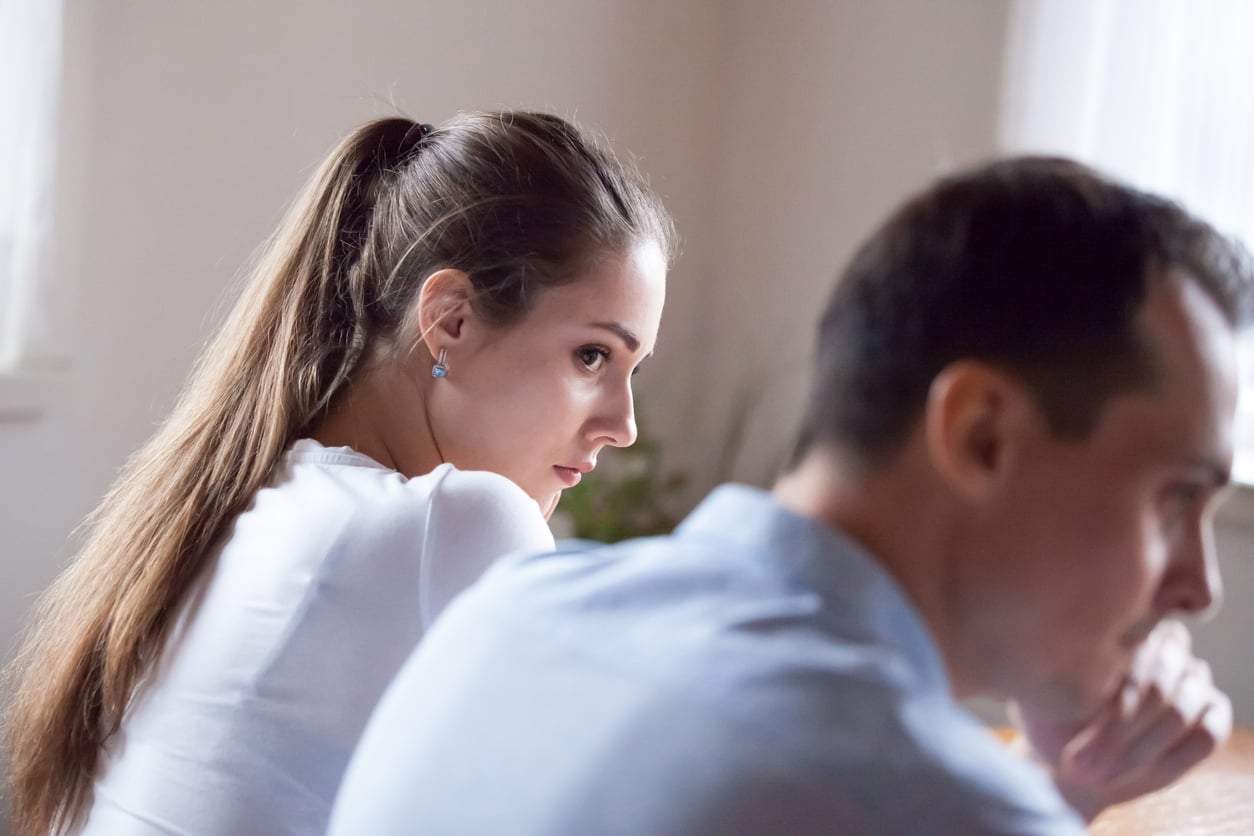
This simple scene painfully showed how easily we misunderstand each other daily. How can we look at the same situation and see completely different things? And how much depends on how willing we are to believe the other’s experience.
Balancing—Literally and Figuratively
The Beginning/End is special not only in story but also in style. Scenes woven with circus elements, live music, movement, and dialogue create a true multidisciplinary art experience. Here, balance is not just a metaphor but a physical reality. The icing on the cake is the authentic and captivating performances of Eszter Földes, Áron Molnár, and Tamás Mohai.
This play truly shows how many roles we juggle in a modern relationship and how hard it is to find balance. When to act, when to wait, and when to simply be present.
What I Took Home
When I stepped out of the theater, I immediately felt this was more than just entertainment or a cultural event. It was the first time a theater performance changed my days for a long time. I became more attentive. More patient. More understanding—toward others and a bit toward myself.
It highlighted how valuable a true partner is.
Someone who might not see the world exactly as we do but is willing to look up at that flickering light—even when they don’t see the flaw.
Maybe this is why I truly love theater now. Because sometimes it offers more than a good night out—it offers a fresh perspective. And sometimes that’s enough to live our everyday lives a little differently.