When it is more than a spare key
Sometimes letting themselves in is one visible piece of a much bigger pattern: comments about how you parent, decisions made on your behalf, money offered with conditions attached, a partner who freezes whenever their parent's name comes up. If your requests are consistently ignored, or if you feel you have to manage your own home like a diplomatic mission, that is worth taking seriously rather than laughing off. A couples counsellor or family therapist can be genuinely useful here, not because anything is broken, but because it is much easier to hold a line when the two of you have built it together with help.
Is it rude to ask for our key back?
It is not rude, and framing matters more than the request itself. Attach it to something neutral and practical — you are having the locks changed after losing a set, you are moving to a key safe so everyone has the same access, you are reorganising who holds what — and offer the new arrangement in the same breath so it does not feel like a withdrawal of trust. Say it warmly, once, and do not over-explain; long justifications invite negotiation.
What if my partner won't back me up?
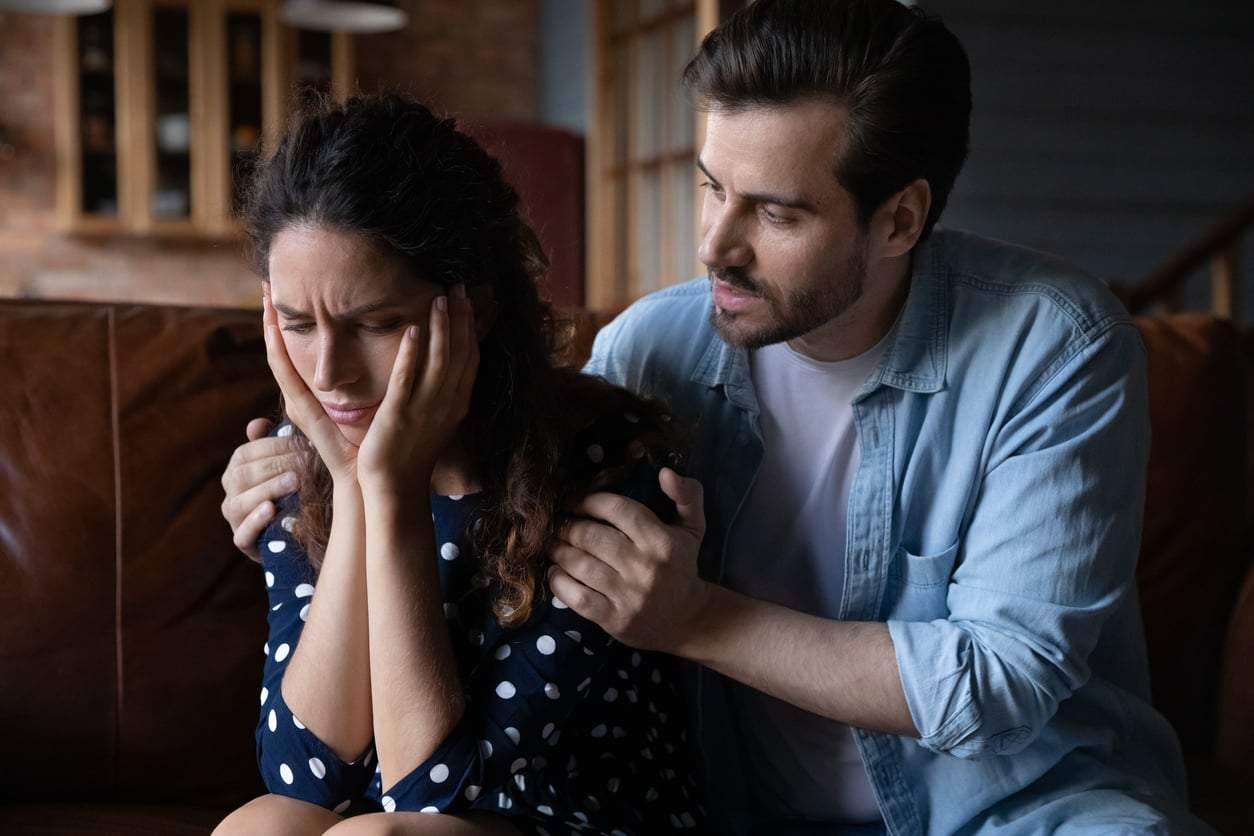
Start by finding out whether it is disagreement or dread. Some people genuinely see nothing wrong with an open-door family; others agree with you completely but cannot face the conversation because of how it went the last hundred times. If it is dread, offer to prepare the exact words together and let them deliver a short version rather than a speech. If it is genuine disagreement about how your household runs, that is worth working through as a couple, ideally before the next unannounced Sunday arrives.