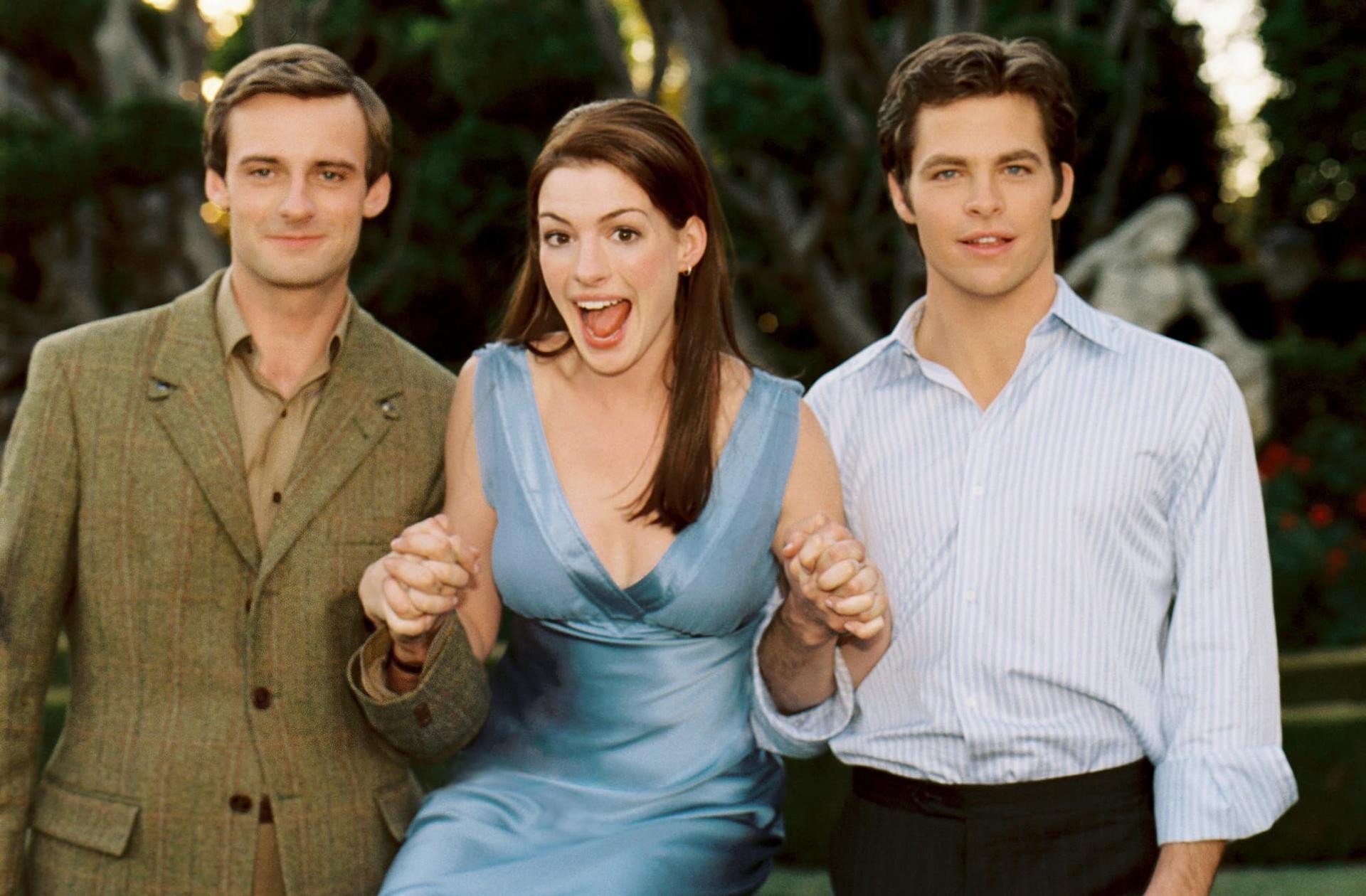
Cover image: IMDb
In romantic stories, we almost always know who will win the heroine’s heart. The passionate, mysterious man with a wounded past who "changes" for her. Yet surprisingly, many viewers and readers find themselves rooting for the other guy: the one who’s too kind, too predictable, too... normal. The "boring prince."
But why do we feel this way? And what might it say about us?
The Clash Between Romantic Ideals and the Desire for Security
Classic romantic narratives—from Jane Austen’s novels to modern series—celebrate passionate love. They suggest that "true" love starts with intense emotions, overcomes obstacles, and ultimately triumphs.
Psychology paints a more nuanced picture.
Research shows that long-term relationship success is predicted less by passion’s intensity and more by emotional security, reliability, and mutual respect.
This tension surfaces when the "other man" appears in the story—the one who promises no drama, only calm.
Who Is the "Boring Prince" Really?
These characters are usually:
- predictable,
- emotionally available,
- consistently kind,
- respectful toward the heroine,
- not trying to change anyone.
Story logic often brands them as "not exciting enough." But in real life, they’re often the ones who get up at dawn for the kids, ask how your day went, and don’t emotionally check out after conflicts.
When a viewer or reader roots for them, it often signals life experience rather than a lack of romance.
Passion vs. Companionate Love
Psychology has long distinguished between intense, passionate love and love based on long-term commitment. Robert Sternberg, the American psychologist behind the triangular theory of love, highlights that intimacy and commitment are just as crucial as initial passion in lasting relationships.
Anthropologist Helen Fisher explains that romantic attraction often involves dopamine-driven excitement and uncertainty, while long-term bonding is marked by oxytocin, security, and stability.
Romantic stories usually start with passion in the lead. But as life goes on—especially when we know relationships beyond stories—more people begin to value the latter. This sparks the often quietly held thought: "What if she chose him instead?"
Women’s Choices, Social Stakes, and Judgment
Historical romantic narratives often stress that a single wrong choice can be fatal for a woman—socially speaking. Though it takes different forms today, this pressure still exists:
Women’s choices are still judged more harshly by society.
That’s why choosing the "safe" man often isn’t cowardice but rational self-protection. The viewer’s anxiety—when the heroine picks scandal, risk, or the unknown—often reflects this.
Why Do We Mock the Kind Guy?
It’s an interesting paradox that pop culture often portrays emotionally healthy men ironically. As if kindness alone isn’t manly or "romantic" enough.
Yet when such a character handles rejection with dignity, doesn’t become bitter, doesn’t blame, but wishes well—that’s often one of the most mature, romantic moments in the story. Just not in the usual way.
What Does It Say About Us When We Root for Him?
Rooting for the "boring prince" often means we:
- understand what long-term commitment really means,
- know passion alone isn’t enough to sustain a relationship,
- value emotional security,
- want to see not just the story’s end but what comes after.
This isn’t necessarily romantic cynicism. It’s more a recognition that happiness is often quiet.
The Rare Meeting of Fairy Tale and Reality
In most stories, the heroine’s choice is risky—and might not end well in real life. But fairy tales are often kind: the passionate man becomes a true partner, and great love doesn’t burn out but transforms.
But that’s not always how it goes. Maybe that’s why the "boring prince" sticks with us: a reminder that happiness can be not just exciting but also quiet, stable, and lasting. And sometimes—after a certain age or life experience—that’s what truly feels attractive.