What if the most refreshing trip you took this year was just a weekend away — or even a single day? The micro-adventure trend is quietly reshaping how people think about travel, and for good reason. It turns out you don't need a long-haul flight to feel genuinely renewed.
What exactly is a micro-adventure?
A micro-adventure is a short, low-effort getaway — typically a day trip or weekend escape — that requires minimal planning and won't break the bank. The goal is simple: explore somewhere new, disconnect from routine, and come back feeling better than when you left.
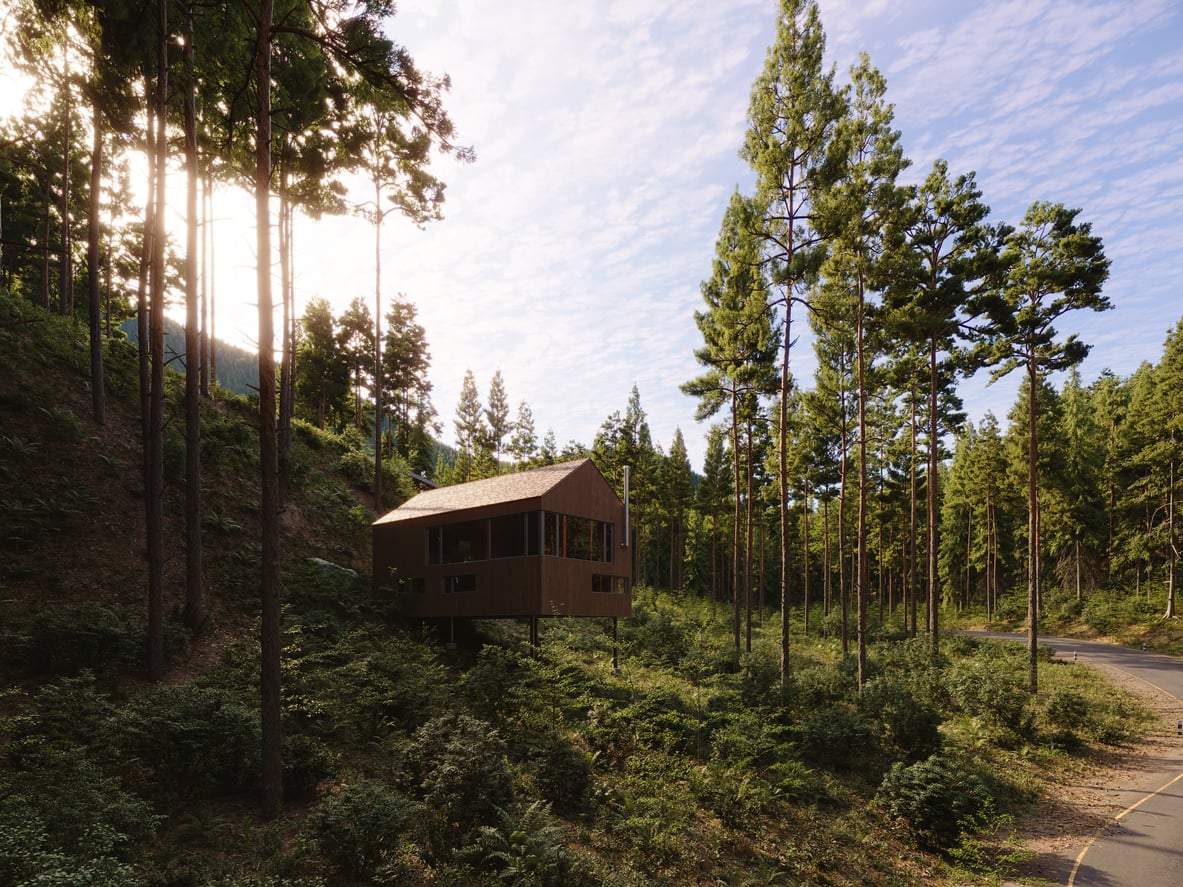
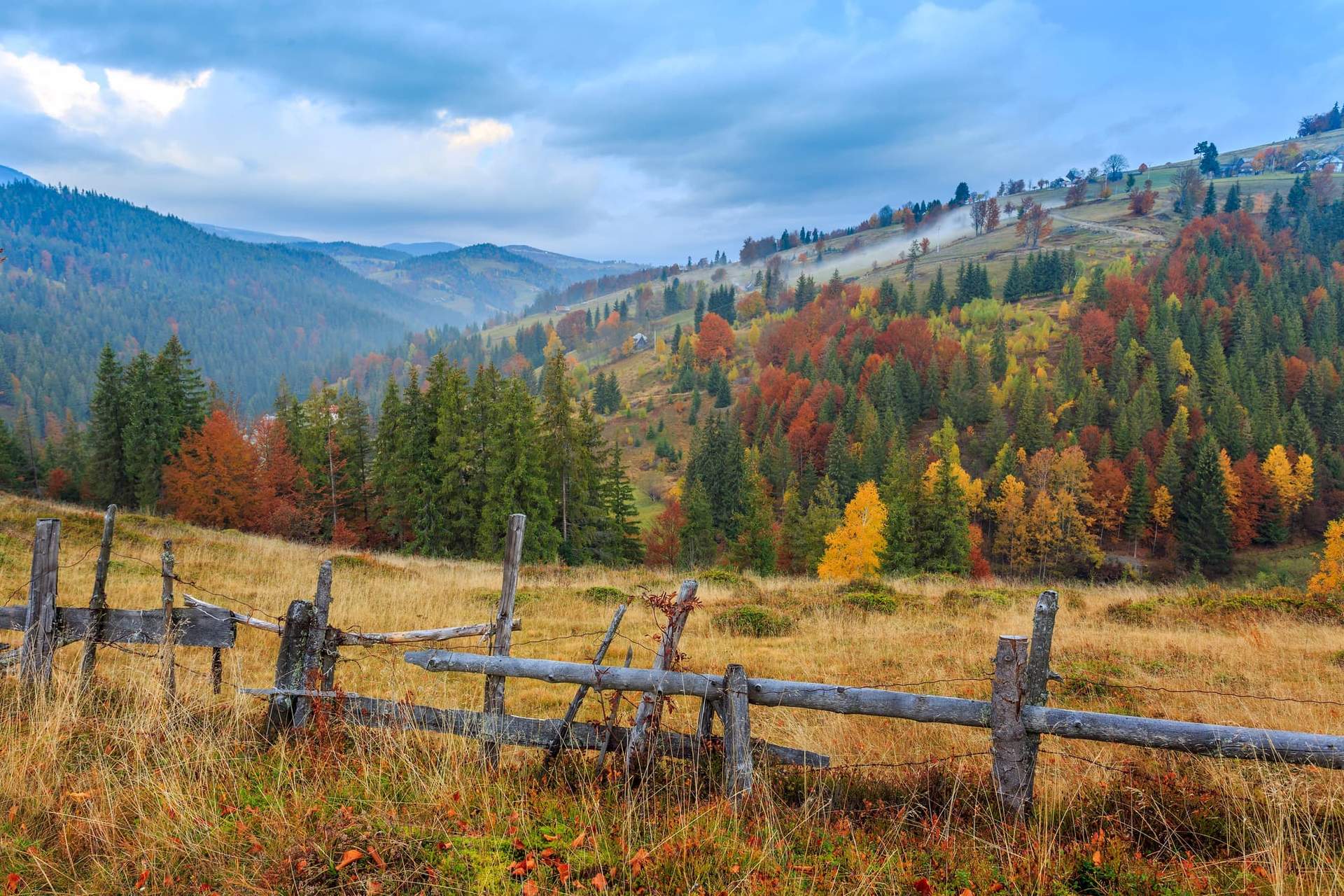
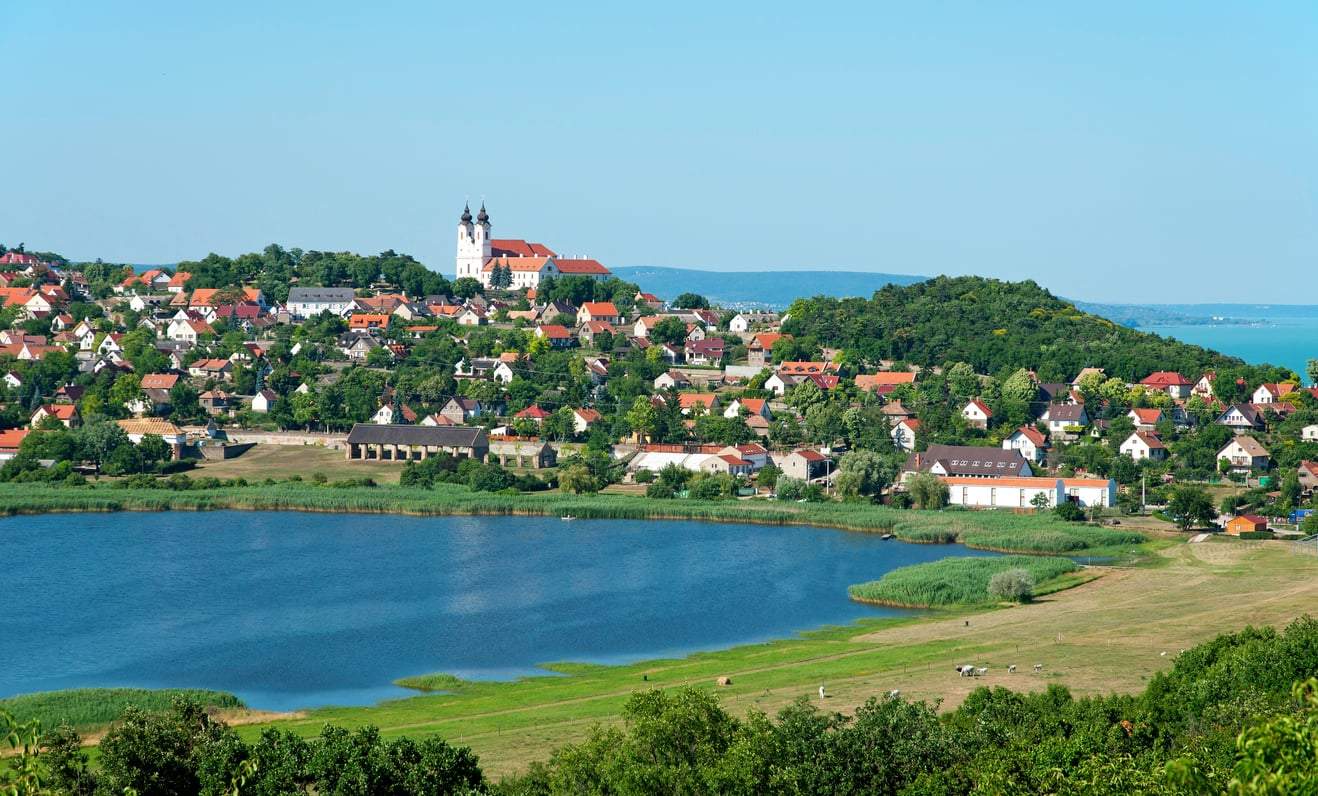
The beauty of micro-adventures is that they work almost anywhere — nearby hills, a lake, a forest trail, or even an overlooked corner of your own city.
Unlike a traditional holiday, a micro-adventure doesn't demand weeks of preparation or a carefully coordinated itinerary. It can be as spontaneous as you like.
The real benefits of going small
The most obvious advantage is time and cost efficiency. Planning a full holiday takes energy — sometimes more than the trip itself. A micro-adventure sidesteps all of that.
But the benefits go deeper than convenience. Even a few hours in an unfamiliar environment can break the cycle of daily monotony, offer a fresh perspective, and leave you with the kind of mental clarity that a scroll through your phone simply can't provide.
Small adventures create real memories. And those memories add up.
How to plan the perfect micro-adventure
The key is keeping it achievable. Start by looking for interesting spots within easy reach of where you live — forests, lakes, hilltops, historic neighborhoods, or hidden green spaces. The destination should be close enough that travel doesn't eat up your day.
Pick one main activity to anchor the trip: a hike, a bike ride, a picnic, a swim. Having a loose plan gives the outing a sense of purpose without making it feel like another task on your to-do list. A little light preparation goes a long way — even for the most spontaneous getaway.
The most important thing? Actually switching off. Leave the inbox behind, even just for a few hours.
What micro-adventures do for your mental health
Psychologists have long pointed to the mental health benefits of novelty and nature. Short but regular outings trigger endorphin release, lift mood, and meaningfully reduce stress — even when the trip itself is modest.
You don't need a two-week escape to feel the effect. A few hours in an unfamiliar setting can be enough to reset your nervous system and break free from routine. The regularity matters more than the scale.
Who is the micro-adventure trend actually for?
Honestly? Almost everyone. But it's especially well-suited to people with busy schedules, limited budgets, or young families — anyone who wants more meaningful time but can't always carve out a full week away.
It's also a great fit for adventure lovers who don't want to wait months between experiences. Why save all your exploration for one big trip when you can weave smaller ones throughout the year?
Micro-adventures are becoming one of the most popular alternatives to traditional travel — and it's easy to see why. They save time, save money, and genuinely recharge you in ways that a longer, more stressful trip sometimes fails to do.